
Burkina Faso’s push to teach Russian in schools fuels geopolitical discourse
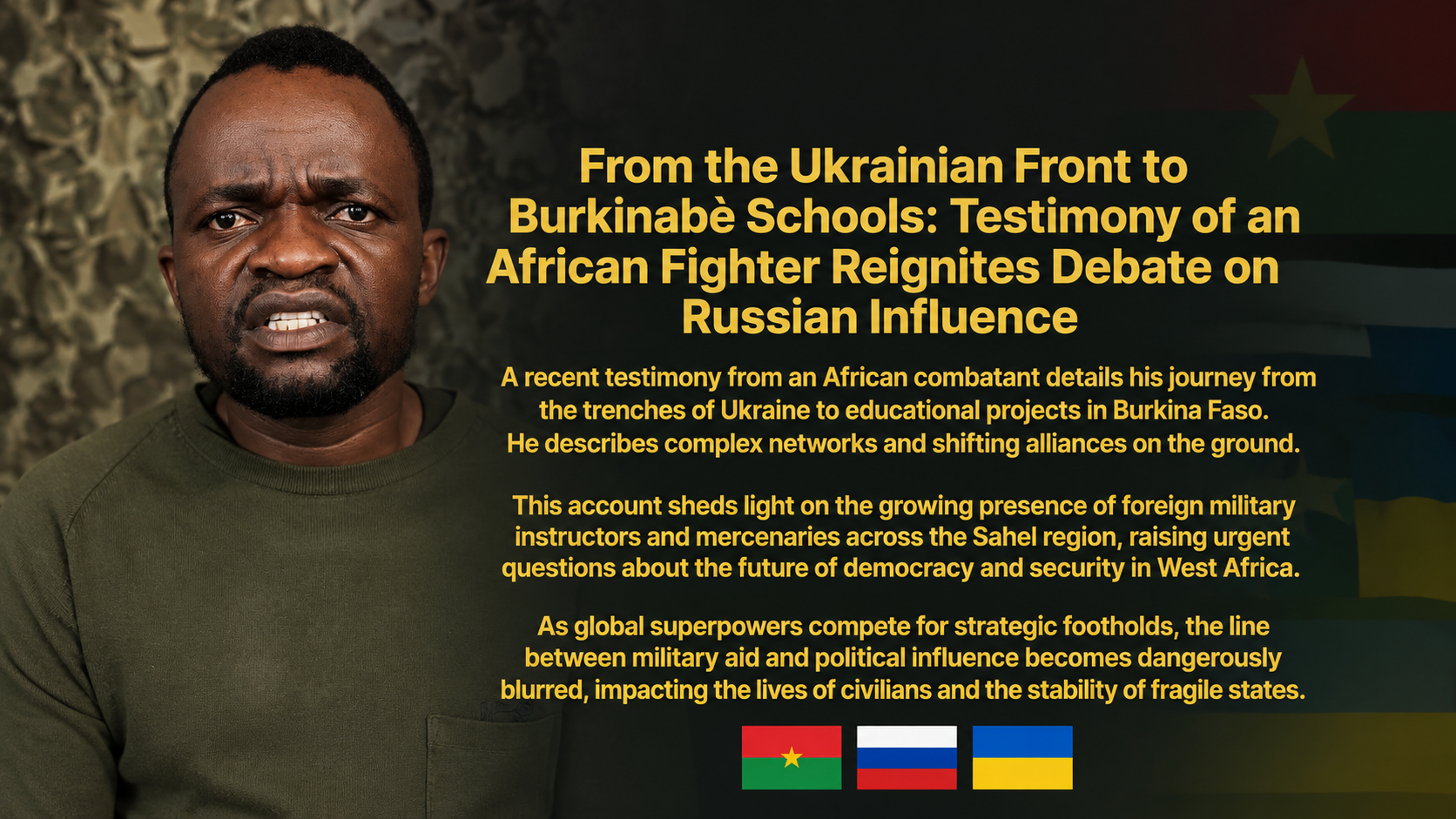
An African fighter’s harrowing account of his experiences on the Ukrainian frontlines has reignited concerns about foreign recruitment in the ongoing conflict. Tatenda Tarwire, a Zimbabwean national who served with Russian forces, described a brutal reality marked by relentless combat, staggering casualties, and the anguish of families left in the dark about the fate of their loved ones. His testimony underscores the human toll of such engagements and has prompted warnings about the risks of enticing promises made by foreign recruiters.
While Tarwire’s story is deeply personal, it intersects with a broader trend: Russia’s expanding footprint across Africa. Over recent years, Moscow has intensified its diplomatic, military, economic, and cultural efforts to deepen ties with African nations amid a shifting global order shaped by the war in Ukraine.
In Burkina Faso, this influence is taking a more visible form. The government has announced plans to introduce Russian language instruction in the national curriculum starting with the next academic year. Proponents argue that the move aims to diversify Burkina Faso’s international partnerships, enhance academic opportunities for students, and foster stronger ties with the Russian Federation.
mixed reactions to the curriculum reform
The decision has sparked a polarising debate. Some segments of the public and analysts view the initiative as more than just an educational reform—seeing it as a strategic alignment with Moscow that warrants open scrutiny. Others, however, contend that Burkina Faso, as a sovereign nation, has every right to broaden its international collaborations without facing assumptions of political alignment.
At its core, the debate is not about the language itself. Like English, Mandarin, Arabic, or Spanish, Russian serves as a gateway to scientific research, academic exchanges, and professional opportunities. The real contention lies in the geopolitical context in which this reform is unfolding, especially as Russia remains embroiled in a large-scale war and actively pursues influence campaigns on multiple continents.
Tarwire’s testimony also highlights the dangers faced by African nationals lured by offers of financial compensation, training, or overseas prospects. Reports have documented cases of foreign fighters recruited for combat roles with limited awareness of the harsh realities they would face. The human consequences—both for the fighters and their families—are often devastating.
demanding clarity and accountability
In Burkina Faso, a robust discussion should be grounded in verified facts, thorough analysis, and a balanced exchange of perspectives. The public deserves clarity on the precise objectives behind this linguistic cooperation, the accompanying agreements, the potential benefits for Burkinabè youth, and the safeguards in place to protect the national education system’s autonomy.
Amid the controversy, one truth remains clear: the future of Burkina Faso’s youth hinges on the quality of their education, the breadth of knowledge they acquire, and their ability to develop a critical understanding of contemporary global issues. Educational choices must be made with transparency, honesty, and a commitment to facts, ensuring they serve the nation’s long-term interests and those of future generations.