
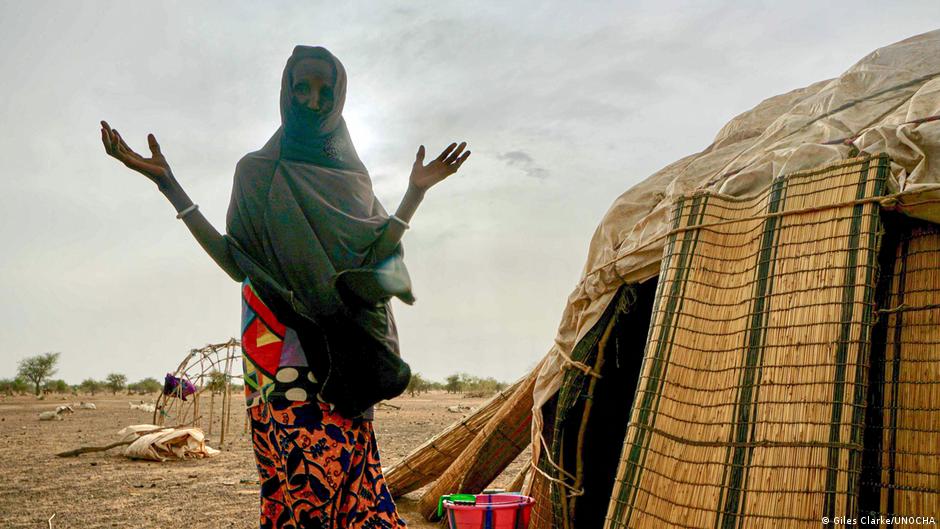
Sahel faces escalating hunger crisis as one in five struggled in 2025
3 août 2026A new global report on the state of food security and nutrition paints a deeply concerning picture for the African continent, particularly the Sahel region. In 2025, a staggering one in five people in the Sahel experienced hunger. This alarming trend signifies a continuous and dramatic increase in figures for the region over the past 15 years.
Fanta Touré Diop, the regional representative for West and Central Africa at the NGO “Action contre la Faim,” has issued an urgent call for collaborative efforts, especially in northern Mali, to combat this escalating food insecurity.
How to explain the situation described in this new report on the state of food security and nutrition in the Sahel?
Fanta Touré Diop: The figures presented in this report are extremely alarming, highlighting a persistent worsening of the food and nutritional insecurity situation. Several factors contribute to this crisis. Specifically in West and Central Africa, and even more acutely in the Sahel, we face a profoundly challenging humanitarian context. Access to vital resources and assistance is severely hampered by ongoing security impacts across these nations. These conflicts are currently generating significant internal displacement. Another critical aggravating factor is climate change. The region is presently confronting the severe effects of climate change on its food and nutritional security.
Compounding these issues is a severe reduction in funding. This crisis in financial support further complicates the implementation of appropriate and adequate responses by all stakeholders, including governments, to address the dramatic situation unfolding in the region.
Mali is among the countries most affected by food insecurity in the Sahel. How do you operate in regions blocked by jihadists?
Fanta Touré Diop: Unfortunately, specific areas like Mali, Burkina Faso, and Niger are currently grappling with severe constraints due to ongoing conflicts. Northern Mali, in particular, is the most heavily impacted by security crises. We are witnessing extensive displacement, with many residents fleeing these northern regions to seek refuge in southern Mali, including cities like Bamako and Sikasso. Consequently, we observe a substantial population of displaced persons and refugees within this part of Mali.
This situation exacerbates the rates of food and nutritional insecurity, especially in Mali, where there’s a notable increase in the number of people requiring assistance. I believe this situation demands a concerted, collaborative effort involving the country’s authorities and all relevant parties, such as international organizations, local civil society, and the United Nations system, to provide effective solutions for the Malian population facing these conflicts.
Beyond emergency aid, what measures should the Malian government implement to strengthen population resilience?
Fanta Touré Diop: The Malian government holds the primary responsibility for finding solutions, and they are actively engaged in this process.
“Action contre la Faim” has suspended over 50 projects in 20 countries, including Chad. What impact will this decision have on addressing malnutrition in the Sahel?
Fanta Touré Diop: With the current reductions in funding being observed across the region, the resources previously provided by the United States for development and emergency programs have been drastically cut. We now have fewer resources available, while the needs have exploded. Currently, 57 million people in West and Central Africa, including the Democratic Republic of Congo, face food and nutritional insecurity. Within the Sahelian region alone, 24.3 million individuals are in need of assistance and protection. The estimated budget required to support these vulnerable populations regionally is $3.7 million. However, as I speak, only 21% of this crucial sum has been mobilized. This stark reality underscores the vast scale of unmet needs. Furthermore, an estimated 11.3 million children and women in this region are projected to suffer from malnutrition.
What strategies should African governments implement to effectively combat food insecurity?
Fanta Touré Diop: One of the foremost strategies must be political. Political leadership, in my view, should serve as the cornerstone of any strategy put in place. It is also crucial to have readily available data to enable effective planning.