

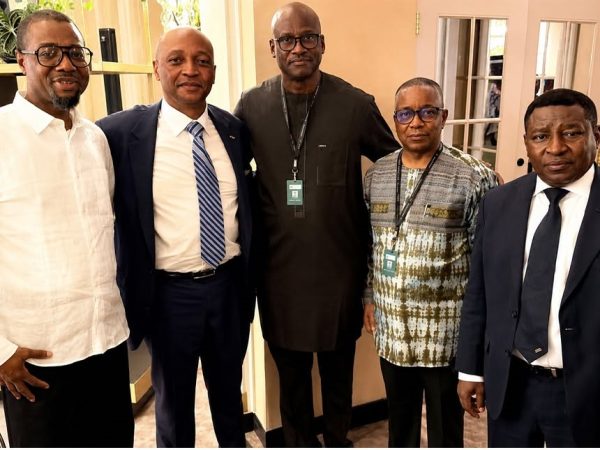
The Burkina Faso, Mali and Niger have cleared a key hurdle in their bid to host the 2032 Africa Cup of Nations, after the Confédération Africaine de Football (CAF) officially recognized their joint declaration of interest. On July 18 in New York, the trio’s football federations — led by Colonel Oumarou Sawadogo, Mahamadou Cissé and Issaka Adamou — secured confirmation that their proposal had met the initial administrative requirement under CAF’s 2026-2036 tournament planning cycle.
What this CAF validation really means
This step, though symbolic, is only the first of many. Under CAF regulations, formal declaration validation allows the three nations to advance to the next phase of the bidding process without prematurely determining the final host. It sets the stage for a technical evaluation to assess whether their collective infrastructure, hospitality, and transport networks can meet the standards required for a major continental event.
According to CAF President Patrice Motsepe, the endorsement reflects a forward-looking approach to tournament planning, giving federations time to build robust bids. While no final decision timeline for CAN 2032 has been set, the organization will scrutinize the feasibility of the Sahelian project in the coming months, including stadium readiness, accommodation capacity, and travel connectivity.
Lessons from East Africa’s 2027 co-hosting model
The CAF’s recent greenlight for Kenya, Uganda, and Tanzania to jointly host CAN 2027 offers a blueprint for the Burkina Faso–Mali–Niger alliance. Sharing resources across borders could help mitigate the challenges of organizing a high-stakes tournament in a region facing infrastructure gaps and security concerns. CAF has emphasized that cooperation and regional integration are central to its long-term vision for African football.
Football as a platform for Sahelian unity
The joint candidacy reflects deeper geopolitical currents sweeping the Sahel. Since forming the Alliance of Sahel States (AES), the regimes in Ouagadougou, Bamako, and Niamey have pursued coordinated initiatives across defense, economy, and diplomacy. A successful CAN bid would position the bloc as a unified force on the continental stage, even as instability and militant violence persist. Just days before the CAF confirmation, deadly attacks were reported in Niger and Mali, underscoring the dual challenges of security and development facing the region.
The next phase demands more than political will. Federations from the three countries are now tasked with aligning national development plans with CAF’s technical requirements. Success will hinge on their ability to deliver not just stadiums, but safe, accessible, and sustainable tournament operations—from fan zones to media centers—within six years.
What happens next for the Sahel’s CAN dream
The July 18 confirmation does not guarantee hosting rights. It merely unlocks the door to the official bid process. Over the coming years, the Burkina Faso, Mali, and Niger football federations—working closely with their governments—will need to submit detailed technical proposals that address every aspect of tournament delivery. This includes upgrading existing venues, building new training facilities, securing accommodation for teams and fans, and ensuring seamless transport links across three nations.
The CAF’s validation is a promising start, but the real test lies ahead: transforming a shared political vision into a world-class sporting spectacle. If successful, the CAN 2032 could do more than crown a champion—it could redefine the Sahel’s image as a dynamic, resilient region ready to contribute to Africa’s footballing future.