
Diplomacy
Saudi Arabia, Qatar, Turkey and Iran challenge Morocco’s African influence
Massive mosque openings, religious leader training programs, and charitable initiatives — Morocco’s rivals in Africa are leveraging substantial financial resources to expand their influence. Yet, the outcome remains uncertain.

Years ago, Morocco’s influence in Africa faced significant challenges. Its rivals, particularly in religious diplomacy, commanded vast financial resources and operated in an environment that seemed tailor-made for their ambitions. Today, however, the landscape has shifted dramatically.
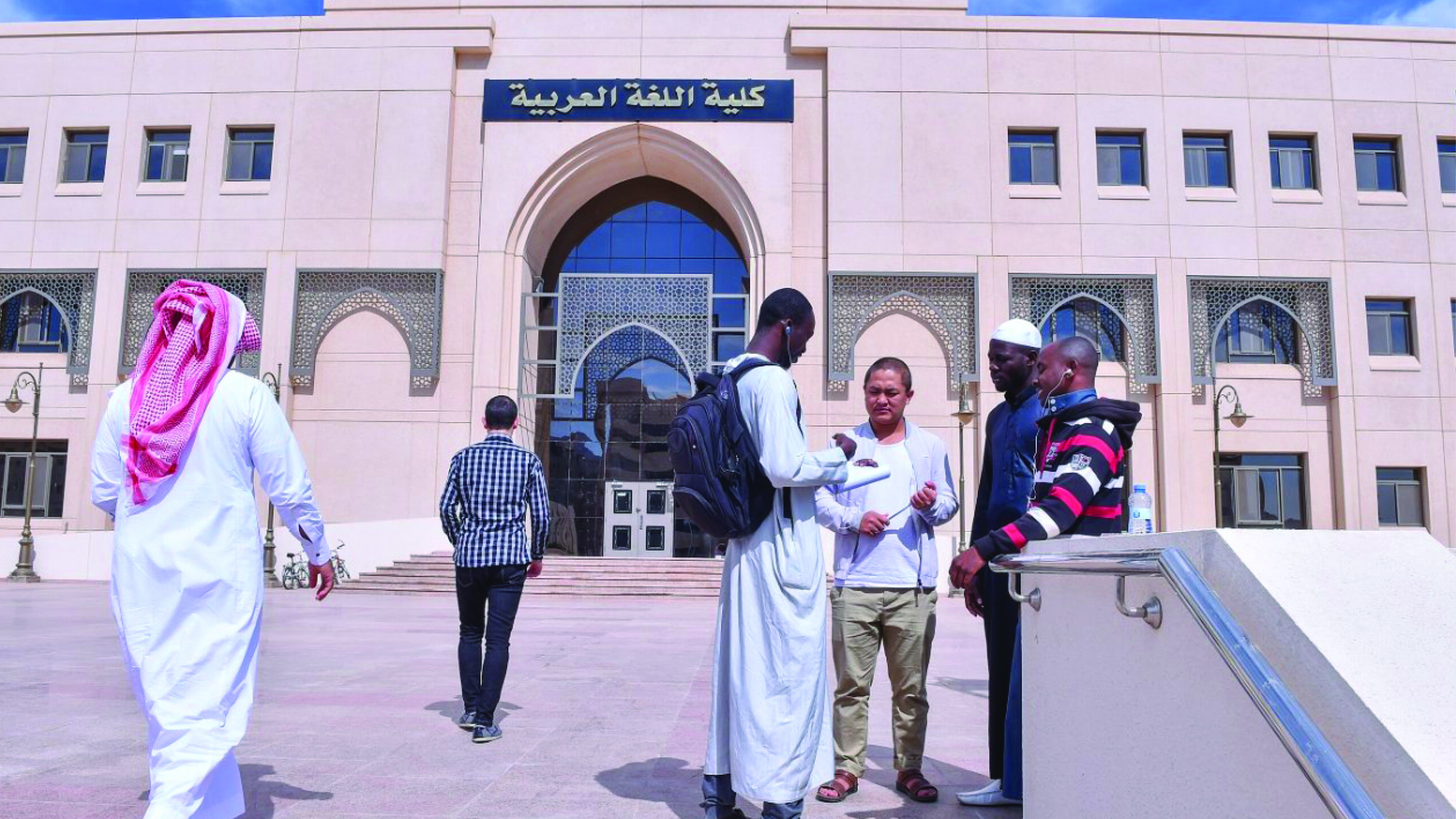
Saudi Arabia has undergone a transformative shift in its religious influence globally, with Africa emerging as a key battleground. Through large-scale mosque constructions, scholarship programs, and humanitarian aid, Riyadh has positioned itself as a major player in reshaping the continent’s religious landscape.
The Qatar Foundation, through its extensive network, has invested heavily in educational and religious initiatives across sub-Saharan Africa. By funding Islamic universities and training imams, Doha has cultivated long-term relationships that transcend mere financial transactions.
Turkey, leveraging its Ottoman legacy, has expanded its footprint through organizations like the Diyanet İşleri Başkanlığı (Directorate of Religious Affairs). Ankara’s strategy combines development aid with religious outreach, creating a model that appeals to both governments and local communities.
Meanwhile, Iran has intensified its presence through its Revolutionary Guard’s Quds Force and allied groups. Tehran’s approach focuses on ideological alignment, offering financial support to mosques and religious schools that subscribe to its Wilayat al-Faqih doctrine.
The question now is whether these financial investments will translate into lasting ideological influence. While Morocco once dominated Africa’s religious diplomacy, its competitors are now deploying strategies that are both sophisticated and well-funded. The outcome will depend on how effectively each actor adapts to the evolving expectations of African societies.