
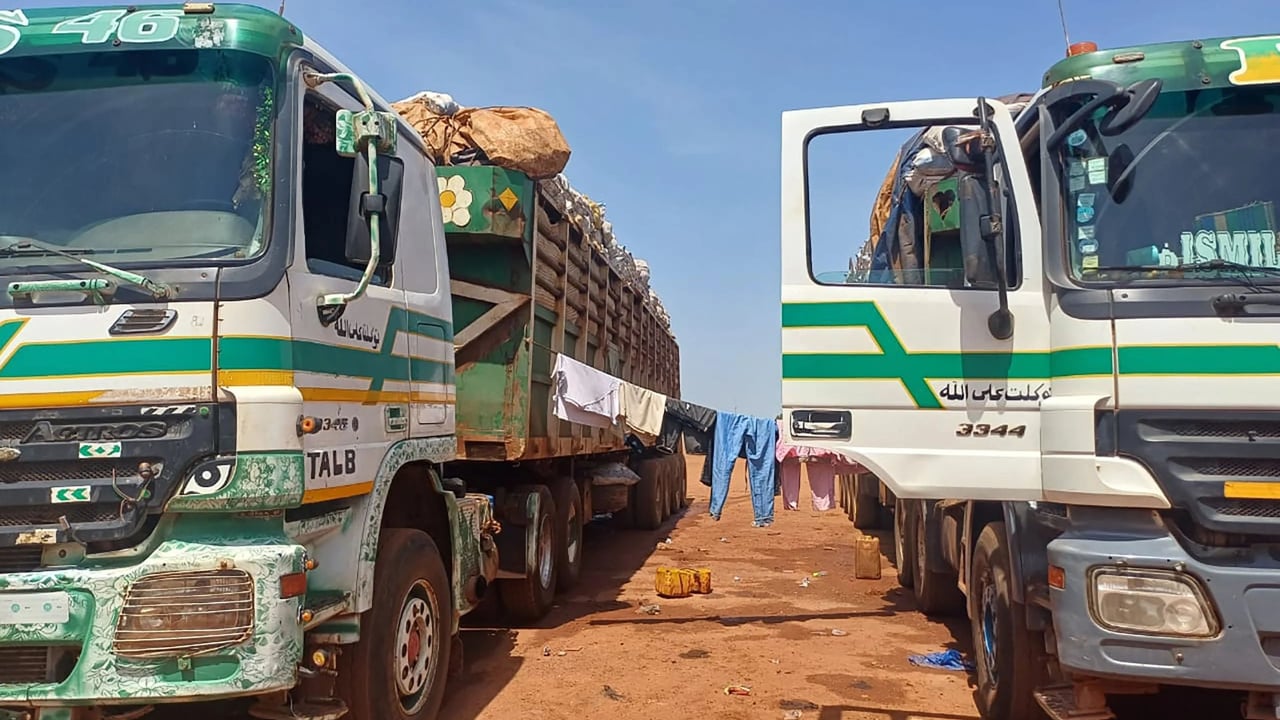

Commercial exchanges between Senegal and Mali have come to a standstill following heightened tensions at the border crossing near Kidira. Truckers and logistics operators report significant delays and disruptions in the flow of goods along the Dakar-Bamako corridor, a vital trade artery for both nations.
The interruption stems from intensified security checks and administrative hurdles introduced at the border. Drivers arriving from Mali now face prolonged inspections, while those departing toward Bamako encounter stricter document verification processes. These measures have created bottlenecks, leaving hundreds of vehicles stranded and delaying deliveries of essential commodities such as food, fuel, and industrial supplies.
Impact on regional supply chains
The halt in cross-border trade has sent ripples through the regional economy. Local markets in Senegal, particularly in Tambacounda and Dakar, are already experiencing shortages of Malian imports like cotton and manufactured goods. Business owners warn that prolonged disruptions could drive up prices and strain consumer purchasing power.
Transportation costs have surged as transporters reroute their fleets or resort to alternative paths, adding financial strain to already tight margins. Senegalese trucking associations have issued statements calling for urgent dialogue to restore normalcy, emphasizing that the current situation threatens the livelihoods of thousands of families dependent on this trade.
Government responses and border dynamics
While neither Senegal nor Mali has officially commented on the border restrictions, unconfirmed reports suggest the measures may be linked to heightened security concerns. The Groupe de soutien à l’islam et aux musulmans (JNIM) has been active in the Sahel region, prompting authorities on both sides of the border to reassess their security protocols.
Local officials in Kidira have urged patience, acknowledging the inconvenience but stressing that safety takes precedence. Meanwhile, traders are calling for transparent communication to clarify the duration of these restrictions and explore temporary solutions, such as designated transit zones or expedited clearance for humanitarian cargo.
What’s next for cross-border trade?
As diplomats and trade representatives work behind the scenes, the future of the Dakar-Bamako corridor remains uncertain. Industry analysts predict that if the situation persists, it could prompt businesses to permanently shift supply chains to alternative routes, such as ports in Côte d’Ivoire or Guinea, further isolating Mali amidst ongoing regional instability.