
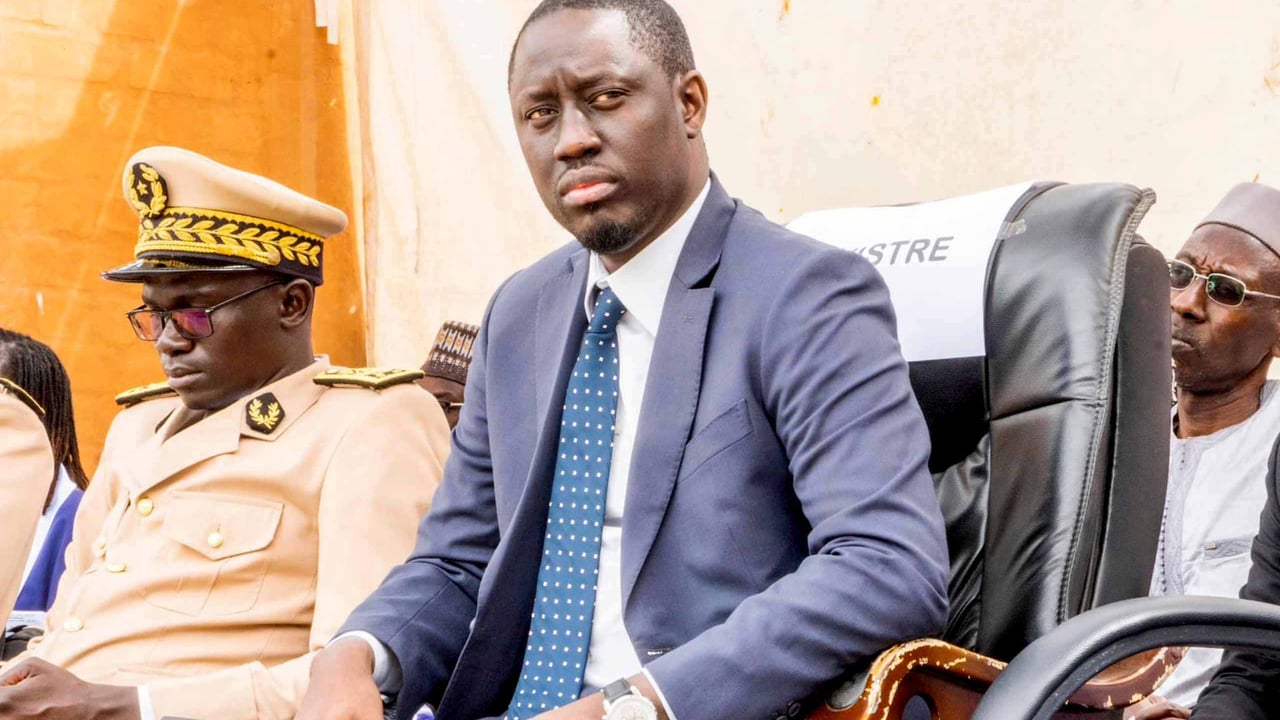

The judicial system in Senegal has formally presented its accusations against Pape Malick Ndour, a former minister under President Macky Sall, marking a significant development in the ongoing scrutiny of government officials.
Pape Malick Ndour, who previously held the portfolio for Youth, is now facing legal proceedings that highlight concerns over financial irregularities and alleged misuse of public funds during his tenure. These charges stem from investigations that have intensified over recent months, prompting public debate about accountability in governance.
the core allegations against the former minister
The accusations against Pape Malick Ndour center on several key issues that have drawn the attention of both legal experts and citizens alike. Authorities allege that while serving as minister, he was involved in financial transactions that violated established procurement laws and budgetary regulations.
Among the most serious claims are:
- Embezzlement of public funds: Investigators assert that significant amounts of money allocated for youth programs were diverted for unauthorized purposes, enriching individuals and entities linked to the former minister.
- Conflict of interest in contracts: Several lucrative contracts awarded during his tenure are under scrutiny for lacking transparency and favoring connected businesses, raising questions about ethical oversight.
- Falsification of documents: Official records, including financial reports and project approvals, are alleged to have been altered to conceal improper activities.
These allegations, if proven, could result in severe penalties, including imprisonment and substantial fines, underscoring the gravity of the case.
legal framework and procedural steps
The case against Pape Malick Ndour is being handled under Senegal’s Anti-Corruption Law, which empowers judicial authorities to pursue financial crimes and abuse of office by public officials. The investigation involves multiple agencies, including the National Office for the Fight Against Fraud and the Financial Crimes Unit.
The process began with preliminary inquiries that uncovered discrepancies in financial records. Following a thorough review, prosecutors filed formal charges, leading to Ndour’s recent court appearance. The legal proceedings are now in the evidence-gathering phase, with testimonies and documents being meticulously examined to build a comprehensive case.
A key aspect of this process is the preservation of evidence, which includes digital records, bank statements, and witness accounts. The judiciary has emphasized its commitment to ensuring a transparent trial that upholds the rule of law.
reactions from the public and political sphere
The unfolding legal drama has sparked a range of reactions across Senegal. Civil society organizations have hailed the case as a positive step toward combating corruption, viewing it as evidence of judicial independence. Many citizens express cautious optimism, hoping that the outcome will reinforce trust in public institutions.
Within political circles, opinions are divided. Supporters of the former minister argue that the allegations are politically motivated, aimed at tarnishing his reputation and that of the Alliance for the Republic (APR) party. Critics, however, contend that the legal action reflects a broader effort to hold officials accountable, regardless of their political affiliations.
The APR, the ruling party during Macky Sall’s administration, has not publicly commented on the matter, but the case has reignited discussions about governance and the need for stronger oversight mechanisms to prevent future misconduct.
what lies ahead for pape malick ndour
As the legal proceedings progress, Pape Malick Ndour faces a challenging period. His defense team is preparing to challenge the prosecution’s evidence, while legal analysts predict a lengthy trial given the complexity of the case.
If convicted, Ndour could face not only imprisonment but also a ban from holding public office, which would further impact his political career. The case also serves as a reminder of the broader challenges in Senegal’s fight against corruption, highlighting the importance of institutional integrity and public accountability.
The outcome of this trial will likely influence future governance practices and public perceptions of justice in the country.