
Mali’s growing security crisis and path to peace
For years, Mali has struggled under the weight of a dual crisis—security breakdown and political instability. The situation has worsened with frequent attacks by armed factions, including jihadist and separatist groups.
One of the most recent strikes hit Bamako on April 25, leaving the Defense Minister, Sadio Camara, among the casualties. The attack underscored the escalating danger facing the capital.
The political landscape remains equally turbulent. Military leaders, who seized control after the 2020 and 2021 coups, have consolidated power, freezing political party activities and marginalizing civilian governance.
Military advances and shattered peace deals
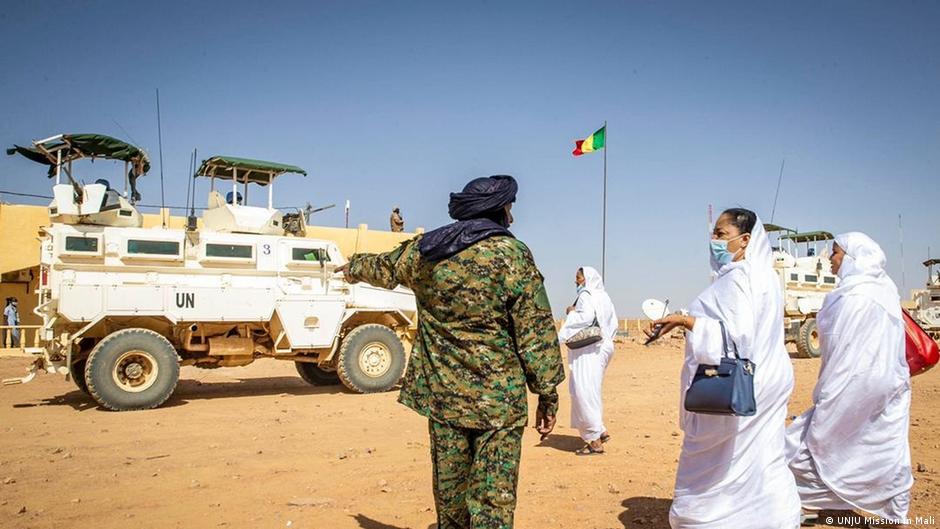
In November 2023, Malian forces, backed by Russian Wagner paramilitaries, recaptured Kidal—a city that had been under rebel control since 2012. This military victory marked the collapse of the 2015 Algiers Peace Agreement, designed to reconcile the government with northern separatists.
By January 25, 2024, the Malian government declared the Algiers Agreement “immediately terminated,” effectively restarting hostilities. The escalation culminated in a coordinated assault on April 25, 2026, when separatist factions like the Azawad Liberation Front (FLA) and the Support Group for Islam and Muslims (JNIM) launched attacks across multiple cities, including Bamako, and reclaimed Kidal.
Voices shaping the national conversation
This special broadcast examines the crisis through expert lenses, featuring insights from Étienne Fakaba Sissoko of the Council on Foreign Relations (CFR), Gilles Yabi of the WATHI think tank, and sociologist Mohamed Abdellahi Elkhalil.