
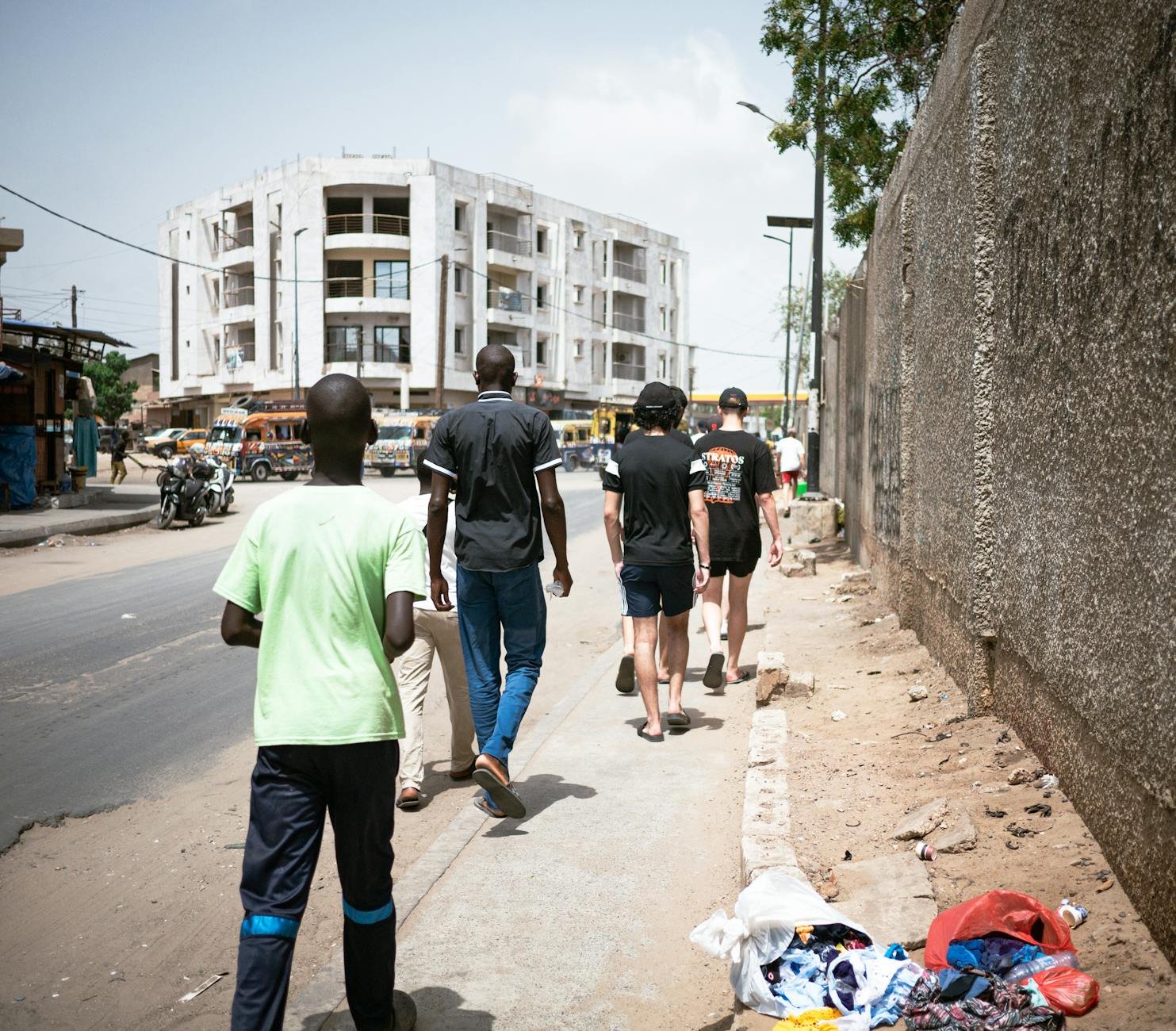
Moussa Balla Fofana, Senegal’s Minister of Religious Affairs, recently visited Diourbel to reignite a decades-old public policy challenge: the widespread issue of child begging among talibés, young students at traditional Quranic schools. The minister described the problem as one of the most pressing social dilemmas in the country, signaling renewed government commitment to addressing an issue deeply rooted in religion, education, and child welfare.
Diourbel: a microcosm of the talibé crisis
Diourbel’s selection as the focal point of this initiative is far from accidental. Located near the holy city of Touba, the region sits at the heart of the Mouride brotherhood’s influence and hosts hundreds of daaras—informal Quranic schools that attract students from across Senegal and neighboring countries. Many of these children are sent into urban streets daily to beg for alms, a practice justified by some as part of their religious training. However, the reality often involves exploitation, unsafe conditions, and severe neglect of their rights.
Fofana’s remarks underscore the delicate balance authorities must strike. While protecting minors from abuse and deprivation is a clear state responsibility, any intervention risks clashing with the cultural and religious authority of marabouts—the spiritual leaders who oversee these institutions. Despite past government pledges to remove children from the streets, systemic change has proven elusive, with many talibés returning to begging within weeks of interventions.
Structural roots of a persistent problem
The minister emphasized that child begging among talibés is not merely a social issue but a structural one, intertwined with rural poverty, internal migration, and weak governance of Quranic schools. Over the years, successive administrations have promised modernization of daaras, including stricter regulations and improved conditions, yet progress remains limited. Existing laws, such as the Child Protection Code and penalties for forced child begging, exist on paper but face enforcement challenges due to local power dynamics and resistance from religious leaders.
For Senegal’s 2024 administration, led by President Bassirou Diomaye Faye, tackling this issue represents a critical test of its social reform agenda. The government has prioritized youth development, dignity, and family support, positioning the talibé crisis as a litmus test for its broader commitments. Human rights groups have long documented the dire conditions in urban daaras, including overcrowding, physical abuse, and lack of healthcare, highlighting the urgent need for systemic solutions.
What’s next for talibé policy in Senegal?
Fofana’s speech in Diourbel suggests that concrete steps are under consideration. Key strategies likely to feature in future plans include: reforming Quranic schools to meet basic educational and welfare standards, strengthening state oversight of child trafficking networks that funnel children into these schools, and providing economic support to vulnerable families who often send their children to daaras out of necessity. Success will hinge on the government’s ability to engage religious authorities in Touba, Tivaouane, and Médina Baye without alienating them.
A major hurdle remains funding. Removing children from the streets, enrolling them in formal education, and ensuring their well-being in reformed daaras requires sustained investment and coordination across multiple ministries—Education, Family Affairs, Interior, and Justice. Past efforts, such as short-term street removals in Dakar, have repeatedly failed due to a lack of follow-through and centralized oversight. Without a robust, long-term strategy, even the most well-intentioned interventions risk being temporary fixes.
The minister’s visit to Diourbel underscores a shift toward ground-level engagement, moving beyond the confines of Dakar’s ministerial offices. The true measure of progress will be whether this renewed attention translates into a clear, actionable roadmap—one that meets the expectations of child rights advocates and the families whose children are most affected.