
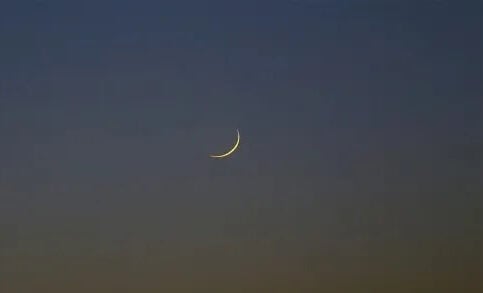
Sénégal: tabaski postponed after lunar crescent sighting fails
Observers in Sénégal were unable to sight the new moon crescent this past Sunday, postponing the official start of the Islamic month of Dhul Hijja and shifting religious observances. The Tabaski festival has now been confirmed for Thursday, May 28, 2026, raising discussions about the reliability of traditional moon-watching methods in determining sacred dates.
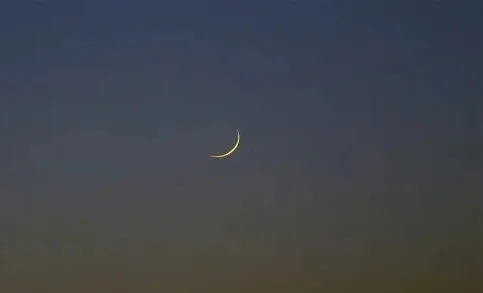
The sighting of the hilal—the thin crescent moon marking the beginning of Dhul Hijja—is a critical moment for Muslims worldwide. In Sénégal, local astronomers and religious authorities confirmed that no crescent was visible on Sunday, May 17, 2026, prompting adjustments to the religious calendar.
Under the Sénégal lunar observation system, Arafat Day will be observed on Wednesday, May 27, 2026, followed by the Tabaski sacrifice and communal prayers on the following day. This timing aligns with the practices of the country’s major Sufi brotherhoods, which rely on local moon sightings rather than astronomical calculations alone.
Such discrepancies in Tabaski dates are not uncommon across the Muslim world. While some nations, like Saudi Arabia, use advanced astronomical data to set religious observances, Sénégal and several neighboring countries continue to prioritize direct observation of the moon. This year’s delay reflects the ongoing debate over which method offers the most accurate and spiritually sound approach to determining sacred timelines.