
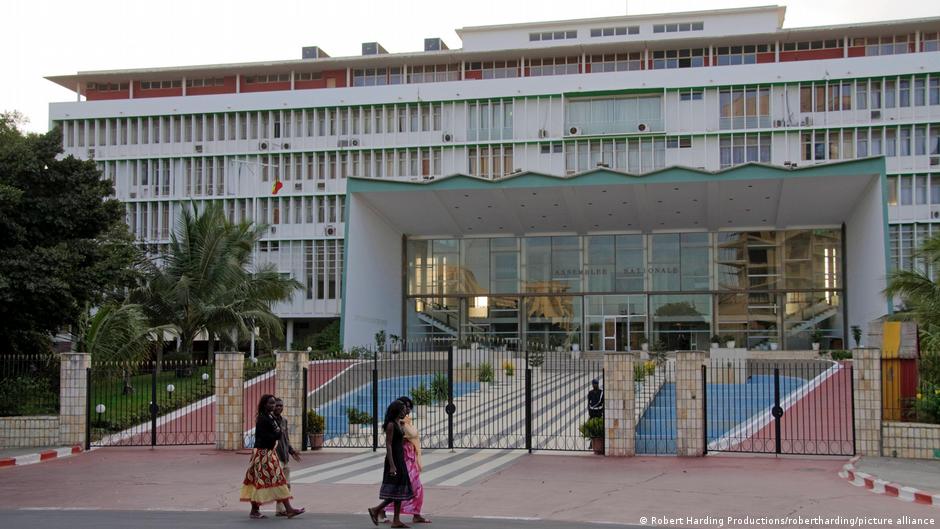
The legislative majority led by Pastef has successfully passed a significant constitutional revision bill, garnering 129 votes in favor during a tense session. This legislative victory occurred in the absence of the opposition, who staged a walkout following the forceful removal of MP Abdou Mbow from the chamber after he refused to step down from the speaker’s rostrum.
Representing the executive branch, Justice Minister Moussa Sarr presented four specific amendments intended to refine the proposal. However, the Pastef-dominated assembly rejected all of the government’s suggested modifications, highlighting a clear divide between the parliamentary majority and the executive’s current stance.
Opposition denounces parliamentary conduct
Opponents of the bill accused Ousmane Sonko, the President of the National Assembly, of disregarding internal protocols. Describing the Pastef-led revision as a “legal sham,” the opposition chose to leave the session in protest.
Aïssata Tall Sall, who leads the opposition parliamentary group, voiced her frustration over the deployment of security forces to remove an elected official. She stated that their primary goal was to expose what she termed a “dictatorship” within the legislative body, suggesting that the removal of a deputy for simply exercising his right to speak was a grave offense to democracy.
Tensions between Government and Pastef
The rejection of Moussa Sarr’s amendments signaled a growing rift. The Minister of Justice argued that the new text disrupts the traditional balance of power between the Presidency and the National Assembly. He expressed concerns that the reform excessively empowers the legislature at the expense of the executive branch.
Sarr emphasized that the changes affect vital constitutional pillars, including the frequency of motions of censure and the President’s ability to dissolve the assembly. He warned that allowing ten motions of censure per term while limiting the President to a single dissolution creates an institutional imbalance that deviates from Sénégal’s established political framework and international commitments.
Internal friction: Bassirou Diomaye Faye vs. Ousmane Sonko
A notable point of contention involves the mandatory declaration of assets at the start and conclusion of a presidential term. While President Bassirou Diomaye Faye appears to have omitted certain requirements from the final text, Ousmane Sonko insists these were non-negotiable promises made to the public.
Sonko criticized the President for selectively choosing which parts of the reform to keep, asserting that the Constitution is not the private property of Bassirou Diomaye Faye. He argued that the party had fought for over a decade for these transparency measures and that no individual should have the right to discard agreed-upon political reforms.
As the legislative process continues, Sonko has called for the immediate promulgation of the law, while the Head of State has indicated a preference for putting the matter to a national referendum. This political friction sparked demonstrations by civil society and opposition groups in the streets of Dakar near the National Assembly on Monday morning.