
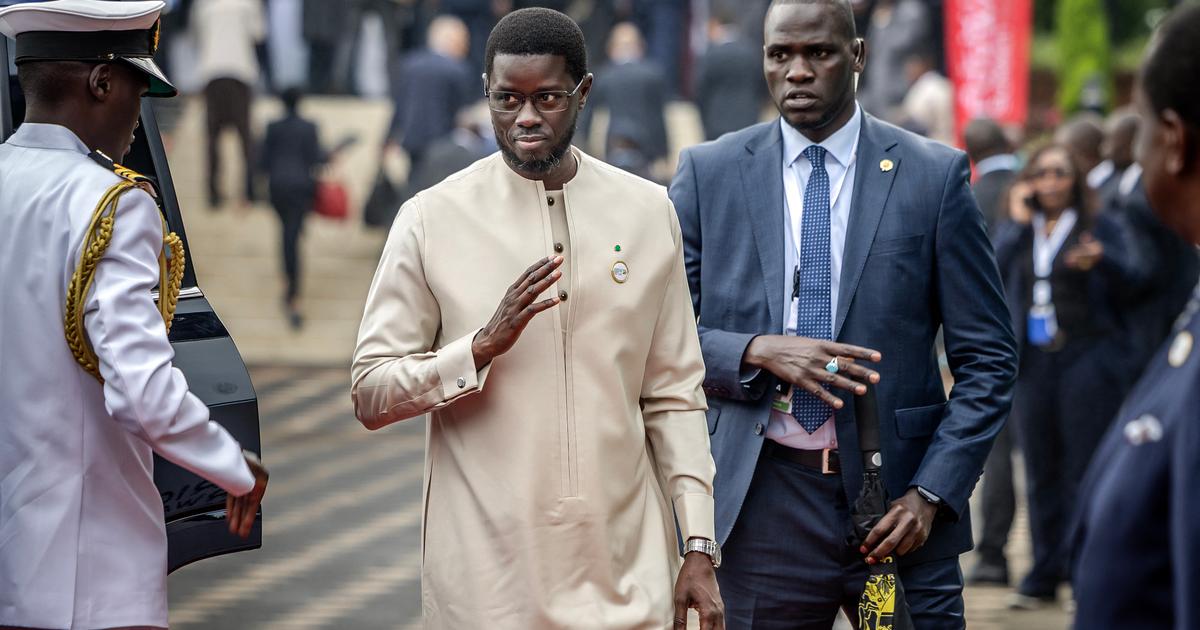
In a span of just four days, Senegal witnessed a whirlwind of political changes that have reshaped the balance of power. On May 22, President Bassirou Diomaye Faye removed Prime Minister Ousmane Sonko from office. The very next day, a new head of government, Ahmadou Alhaminou Mohamed Lô, was appointed. By May 26, Sonko had been elected President of the National Assembly, marking a rapid and unprecedented political transition. Observers describe this sequence as “a political realignment of historic speed,” with the power dynamic shifting visibly toward new priorities.
Economic pressures mount as debt crisis deepens
Amid this political reshuffle, Senegal continues to grapple with a severe financial crisis. Public debt has surged to 132% of GDP, and the cost of servicing this debt has become increasingly uncertain. Rising energy prices—exacerbated by the disruption in global oil shipping lanes—have further strained national finances. Economic experts warn that the country stands on the brink of a financial precipice. The urgency of reform has never been clearer.
Can new leadership pave the way for IMF cooperation?
Previously, efforts to restructure the economy in line with International Monetary Fund (IMF) recommendations faced resistance, particularly from the Pastef party, which had opposed stringent fiscal measures. However, with the recent appointments and the shifting political landscape, analysts suggest that Senegal may now be better positioned to engage with the IMF. The question on everyone’s mind: will this realignment lead to decisive economic reforms?