
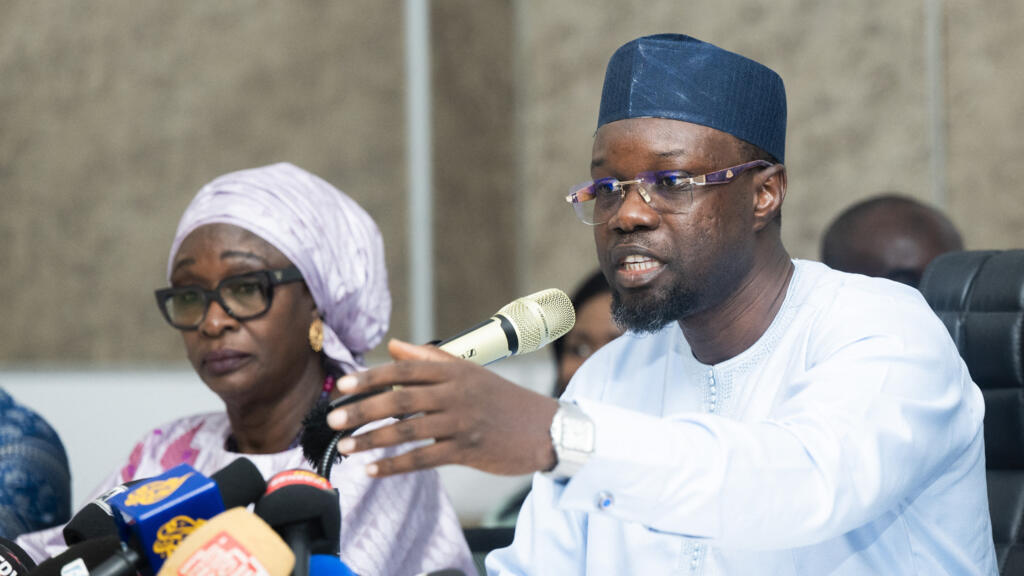
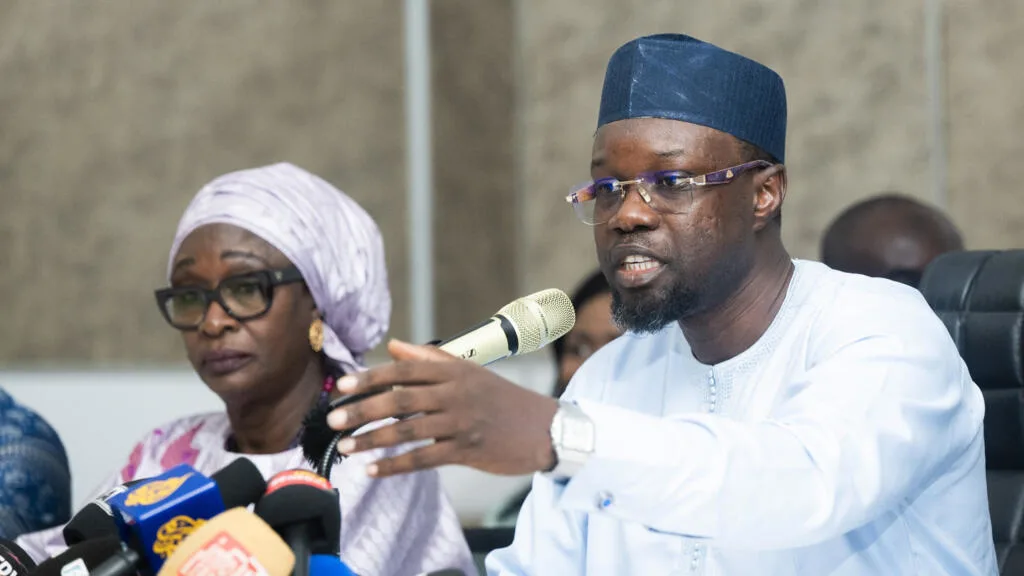
In a candid press briefing held in Dakar, Ousmane Sonko, former Prime Minister and leader of the Pastef party, outlined the reasons behind his party’s decision to decline participation in the newly formed government. Speaking to reporters on June 2, Sonko addressed the key points of contention that led to this stance, emphasizing the fundamental differences between the party’s vision and the administration’s approach.
Pastef’s refusal to be part of the government stems from deep-seated disagreements on critical policy issues. Sonko highlighted the lack of concrete commitments from President Bassirou Diomaye Faye’s team on several fronts, including debt restructuring, judicial reforms, and the implementation of price controls on essential goods. These issues form the backbone of the party’s political program, and Sonko expressed disappointment in the responses received from the presidential camp.
Policy disagreements and unmet demands
The Pastef leader underscored the party’s expectations regarding debt management, stating that the government had not provided sufficient assurances about restructuring plans discussed with the International Monetary Fund (IMF). While the president acknowledged the need for price transparency on subsidized products, Sonko criticized the lack of a clear strategy to address the country’s economic challenges. Additionally, the party sought guarantees on judicial independence, but the response from the administration fell short of expectations.
Sonko also pointed to the composition of the new government as a major point of contention. The party had requested a significant share of ministerial portfolios to reflect its political weight, but the final allocation did not meet this requirement. According to Sonko, the Pastef would not accept a position in a government where it could not secure a substantial number of key ministries.
Government legitimacy and future actions
Despite the refusal to join the cabinet, Sonko clarified that the Pastef would not immediately challenge the government’s legitimacy through a motion of no confidence. However, he warned that the party would reconsider its position if the administration were to take hostile actions against its members or policies. Sonko also raised concerns about the presence of five ministers in the new government who, while former Pastef members, were not officially recognized by the party.
The briefing shed light on the growing tensions between the ruling party and the opposition, as Senegal navigates a period of political transition. The refusal to participate in the government underscores the challenges ahead in aligning the country’s leadership with the aspirations of its citizens.