Senegal politics: why Ousmane Sonko’s Pastef declined cabinet roles
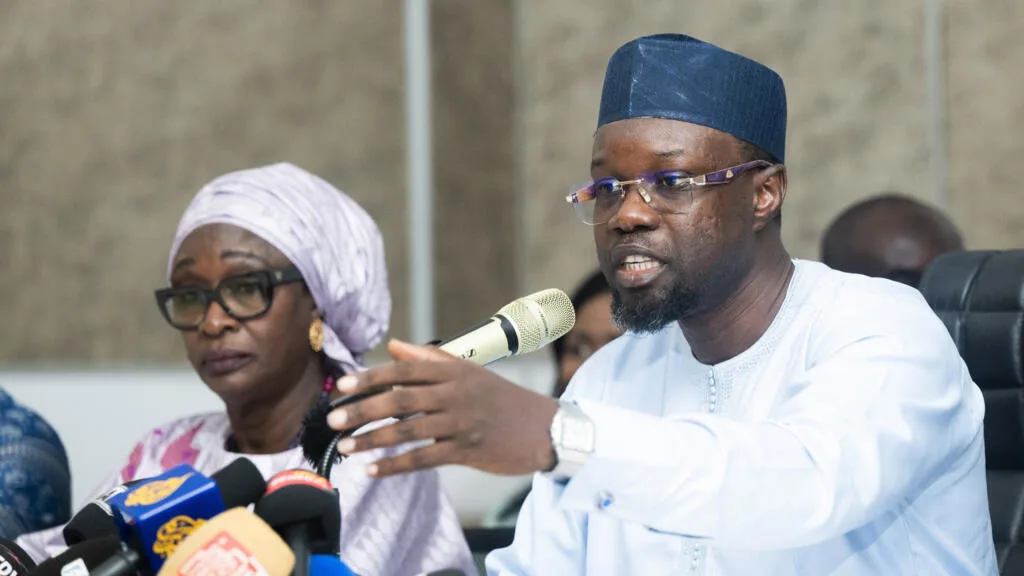
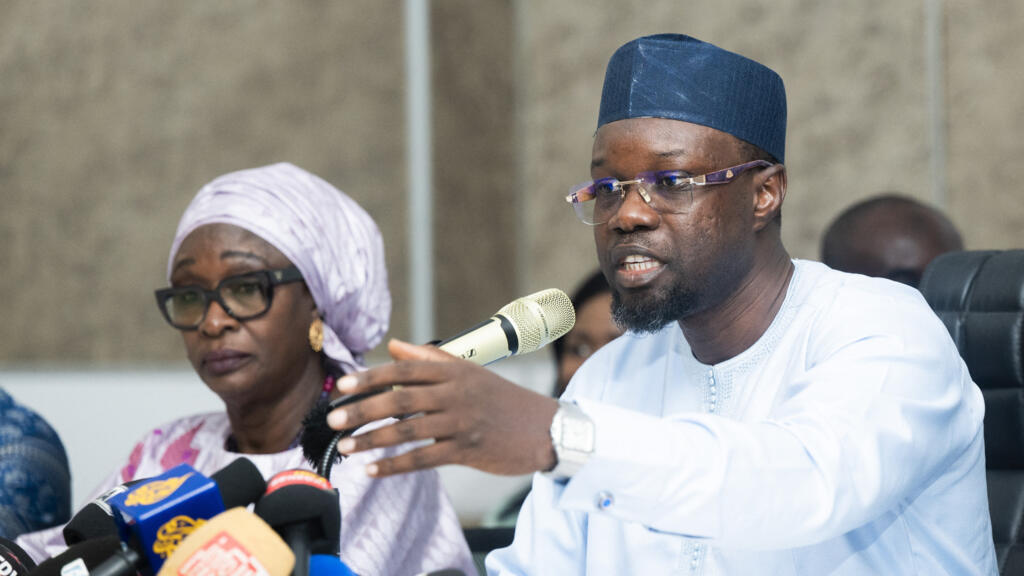
The leader of Senegal’s opposition Pastef party, Ousmane Sonko, has publicly explained why his movement chose not to join the new government sworn in by President Bassirou Diomaye Faye on June 1.
Speaking at a press briefing in Dakar, Sonko outlined deep policy disagreements and the failure to secure key concessions during negotiations with the administration. These included the management of public debt, judicial reforms, and the implementation of subsidy policies aimed at protecting household purchasing power.
Sonko emphasized that the government’s responses on debt restructuring strategies, price controls, and judicial independence were insufficient. He argued that the president’s assurances lacked concrete commitments, particularly regarding negotiations with the International Monetary Fund.
Sonko: “All answers were lukewarm”
“We discussed the matter thoroughly,” Sonko stated. “The president and his finance minister indicated no formal commitments toward debt restructuring. On purchasing power, they mentioned applying ‘truth in pricing’ where possible for subsidized goods. And regarding the justice system, they claimed Senegal already has the best justice in the world. All of these responses were lukewarm at best.”
The Pastef leader also criticized the distribution of ministerial positions, insisting that his party would not accept a role in the cabinet unless it controlled at least half of the portfolios. Despite five members of the Pastef being named to junior roles in the new government, Sonko stressed that these individuals were not authorized representatives of the party.
While Sonko ruled out filing a no-confidence motion against the government, he warned that any direct attack by the administration on the opposition could trigger a response. “We will not initiate a motion of censure unless the president and his team strike first,” he asserted.
