
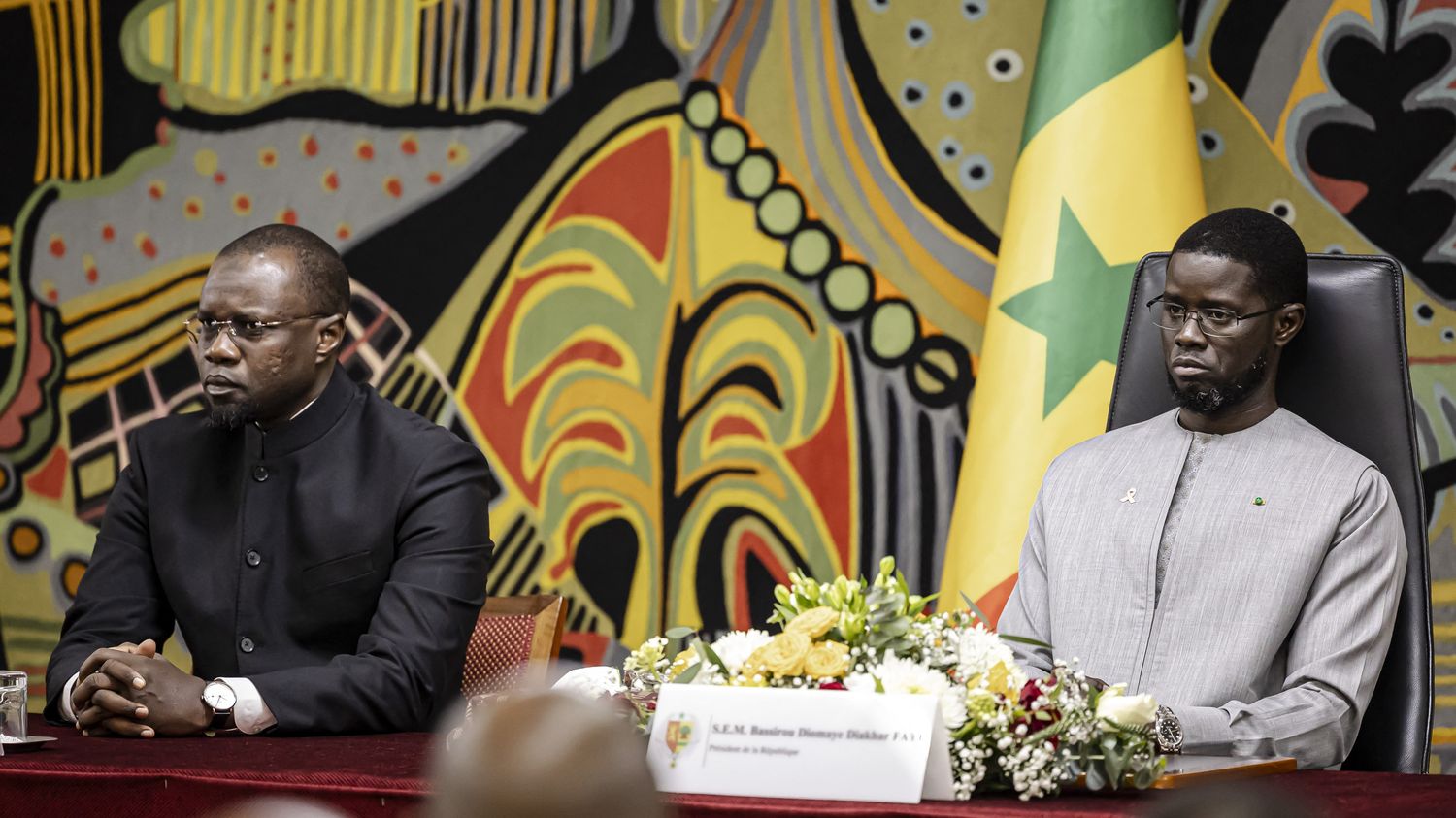
The political landscape in Senegal has shifted dramatically after President Bassirou Diomaye Faye dismissed his Prime Minister, Ousmane Sonko, on May 22. The announcement, delivered on national television by the presidency’s secretary-general, marked the end of a partnership forged in the fires of a historic election.
a tale of rising tensions and political shifts
The decision follows months of escalating friction between the two leaders, who rose to power together in April 2024. Their alliance was built on a wave of popular hope, yet recent months have seen strains intensify. In a statement read on television, the president declared he had “terminated the mandate of Mr. Ousmane Sonko as Prime Minister, and consequently the mandates of all ministers and secretaries of state in the government.” The outgoing officials were instructed to “handle current affairs until further notice,” with no immediate announcement regarding a successor.
from mentor to rival: the evolving dynamic
Ousmane Sonko, once a guiding force for President Faye, had been barred from running in the 2024 presidential election due to a defamation conviction that stripped him of his civic rights. Sonko instead endorsed Faye as his replacement, a move that secured their political triumph. However, by early May, tensions had reached a breaking point. President Faye publicly criticized Sonko’s “excessive personalization” within their party, stating in a televised interview: “As long as he remains Prime Minister, it is because he enjoys my trust. When that is no longer the case, there will be a new Prime Minister.”
Sonko responded swiftly via his Facebook account, posting: “Alhamdoulillah. Tonight, I will sleep soundly in the Keur Gorgui district of Dakar,” where he resides. His message underscored both defiance and relief, signaling the end of an era marked by collaboration—and conflict.
The move reflects deeper political currents in Senegal, where leadership transitions often carry significant implications for governance. With no successor named, the nation now awaits the next chapter in its unfolding political narrative.