
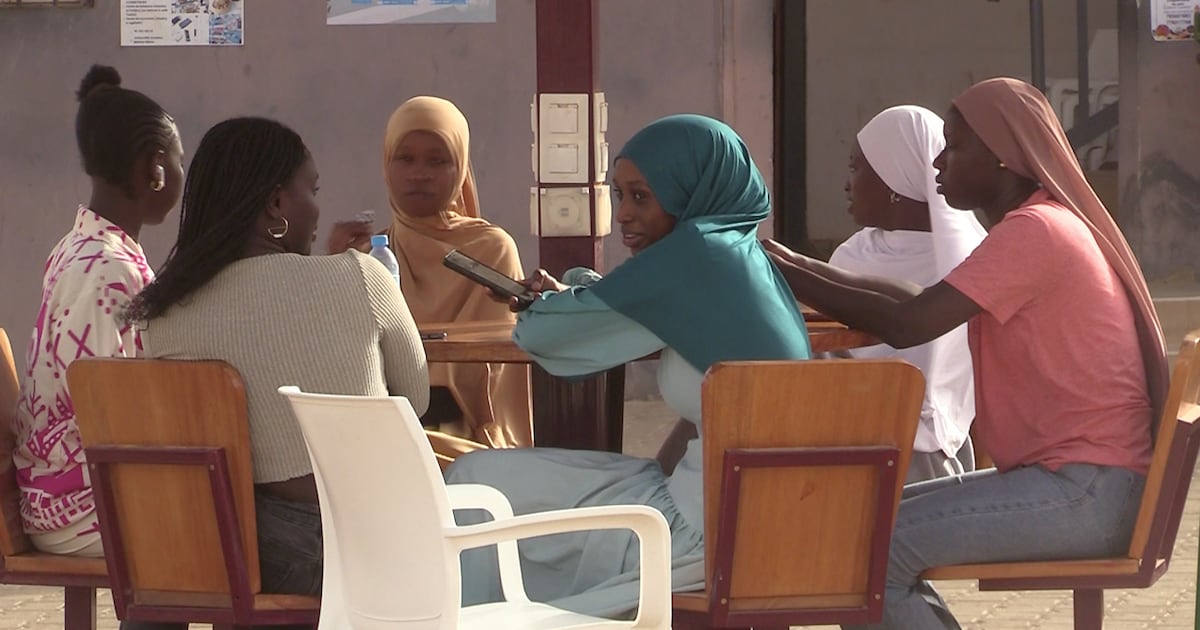
Across universities in Sénégal, a growing number of students are embracing politics not as a distraction from their studies but as a natural extension of their academic journey. For these young minds, engaging in political movements during their university years is both a form of civic duty and a strategic move toward future leadership.
Many view their involvement in political spheres as an opportunity to bridge the gap between theoretical knowledge and real-world governance. Adama Lam, a law student at Université Cheikh Anta Diop, explains his perspective: “Balancing my studies with political engagement isn’t just possible—it’s essential. The university equips us with critical thinking, but politics sharpens that knowledge into actionable solutions. The two aren’t mutually exclusive; they reinforce each other.”
Others emphasize that political activism doesn’t require sacrificing academic or professional goals. Amadou Saliou Diallo, a business administration major, shares: “Being politically active doesn’t mean abandoning your career. I see it as a way to contribute to my country while pursuing my passion. Imagine a doctor, engineer, or lawyer who also engages in politics—it’s not about choosing one over the other, but about enriching both.”
For some, the university serves as a training ground for tomorrow’s decision-makers. Ousmane Seck, a political science student, reflects on the dual role of academia: “The classroom gives us frameworks, but politics teaches us how to apply them. Programs like ‘Jub, Jubal, Jubanti’ aren’t just slogans—they’re blueprints for governance. Whether I lead a party or shape national policy someday, this early exposure will be invaluable.”
Yet, the debate persists: Should universities remain sanctuaries of pure scholarship, or evolve into incubators for future leaders? The students themselves argue that the two can—and should—coexist. The question now is how institutions can better support those who dare to walk both paths.