
- Featured
- Politics
Senegal’s Path to Stability: Dialogue and Consensus Take Center Stage
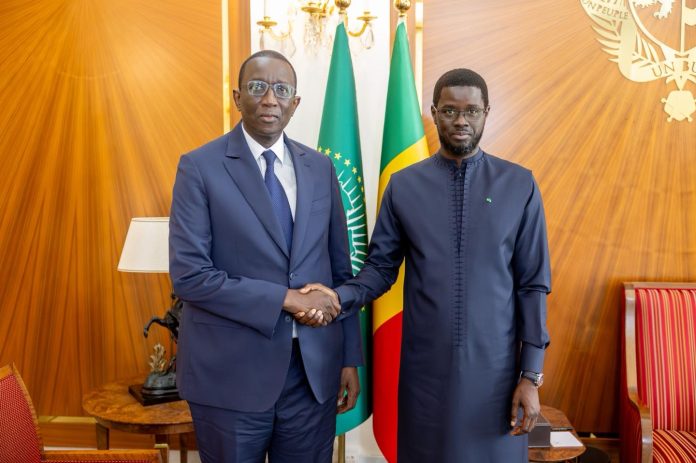
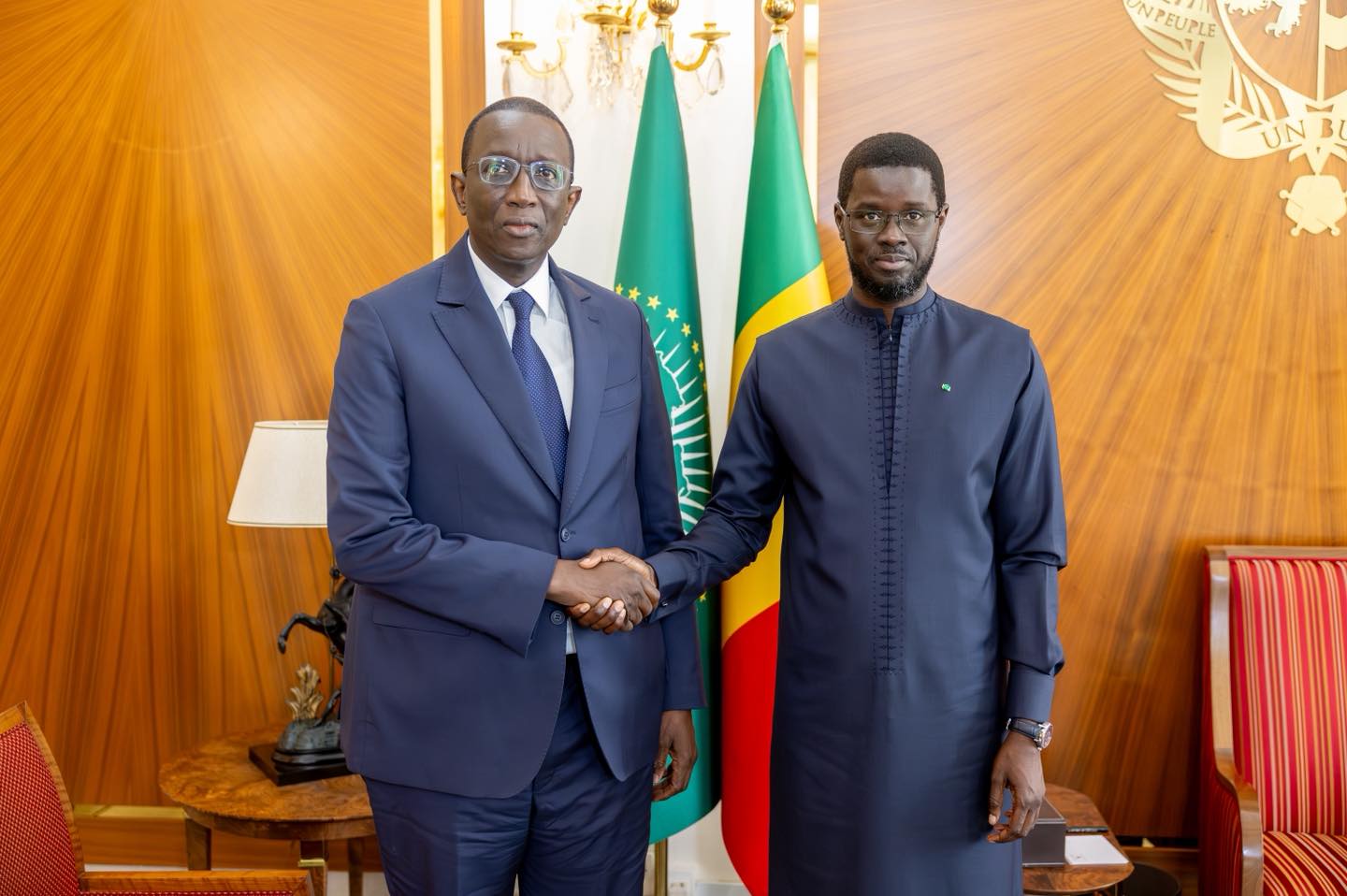
In a pivotal meeting at the Presidential Palace, former Prime Minister Amadou Ba underscored the urgent need for enhanced political dialogue and restored financial credibility for Senegal. The discussion took place during a high-level session convened by President Bassirou Diomaye Faye as part of the ongoing National Dialogue initiative.
As one of several former heads of government consulted, Amadou Ba described the initiative as a « vital step » for the nation, emphasizing the importance of inclusive consultations to address Senegal’s most pressing challenges. The former Finance Minister highlighted the necessity of broad-based consensus-building on key national issues, including institutional reforms, political stability, and economic resilience.
During the exchange, Amadou Ba outlined critical areas of concern, from ongoing electoral reform debates to the country’s economic and security landscape. He stressed that while reforms are essential, they must be pursued through « deeper and more extended deliberations » to foster stronger national unity. Specifically, he proposed extending discussions by an additional « ten to fifteen days » to allow for more robust consensus-building.
« The nation requires consensus, the nation requires dialogue, » he asserted, clarifying that his advocacy stems from a commitment to the general welfare rather than partisan interests.
On the economic front, Amadou Ba raised concerns about Senegal’s current financial climate, particularly the ripple effects of global economic shifts on the country’s stability. He pointed out that deteriorating economic conditions are already placing a heavy burden on citizens, compounding challenges in public finance and investment.
The former Finance Minister also reflected on Senegal’s past financial engagements with international institutions, notably the International Monetary Fund (IMF). He recalled that during his tenure, Senegal operated for six years without IMF disbursements, and the country went a full decade without a financing program altogether. Despite this, Senegal maintained its financial credibility—a feat he attributes to prudent management and resilience. However, he acknowledged that the current economic environment demands renewed compromises to secure essential funding for critical development projects.
« I reminded the President that as Finance Minister, I went six years without receiving a single franc from the IMF. Senegal went twelve years without a disbursement program, » he stated. « Yet, our credibility remained intact. Today’s context is different, and we must act decisively to secure the resources our nation needs. »
He further warned that successive downgrades in Senegal’s financial ratings are inflating borrowing costs and constricting the government’s fiscal flexibility. « These ratings cuts are driving up loan expenses and limiting our maneuverability, » he cautioned.
The conversation also touched on regional security dynamics, which are evolving amid heightened tensions across West Africa. Amadou Ba called for a comprehensive dialogue on these challenges and renewed support for the country’s defense and security forces to safeguard national stability.
While affirming his opposition stance, he urged a measured approach to national issues, emphasizing that « some challenges transcend political divides ». His closing remarks echoed a plea for collective action: « I remain in the opposition, and I always will be. But when it comes to the nation’s interests, we must set aside differences and work together—calmly and purposefully. »