

As the Senegalese National Assembly prepares to vote on the 2026 rectified budget—a pivotal moment in the country’s fiscal trajectory—the government faces an unprecedented political reckoning. With the revised deficit now projected at 1.7 trillion FCFA (7.6% of GDP), lawmakers from the ruling Pastef coalition are caught between urgent economic demands and mounting public pressure.
The fiscal storm reshaping Senegal’s priorities
At the heart of this legislative showdown lies a revised financial plan that starkly deviates from earlier forecasts. The deficit, initially capped at 5.4% of GDP, has ballooned to 7.6%, driven primarily by soaring energy subsidies and unexpected revenue shortfalls. The energy sector alone now demands 790 billion FCFA—more than triple the original allocation—leaving little room for essential public investments.
To offset these pressures, the government has slashed the capital expenditure budget by 555 billion FCFA, redirecting funds toward social safety nets. Family security grants have doubled to 70 billion FCFA, while authorities pledge to reduce energy subsidies to under 1% of GDP by 2029. Yet these concessions may come too late for a population already grappling with rising costs.
A no-win decision for the ruling coalition
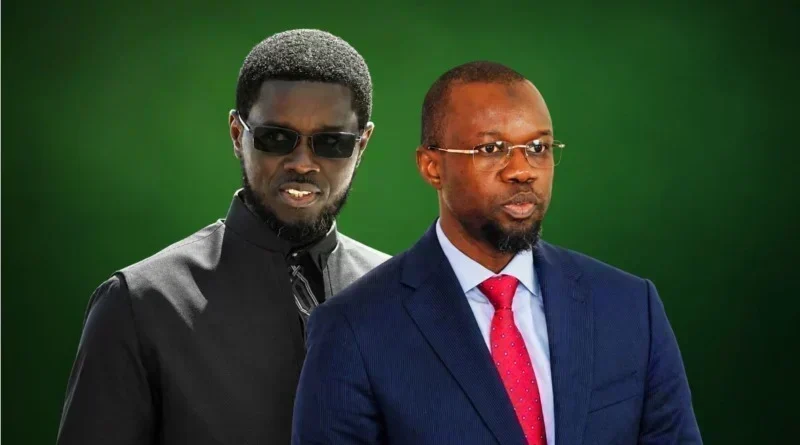
This budget is no ordinary fiscal adjustment—it’s a litmus test for the Pastef government’s credibility. Approval would tacitly endorse the controversial IMF agreement, a pact critics argue prioritizes foreign creditors over domestic welfare. Rejection, however, risks stalling the country’s economic recovery, inviting accusations of reckless governance. The vote looms as a defining inflection point for President Bassirou Diomaye Faye’s administration.
Among the most contentious provisions is the government’s commitment to structural reforms tied to the IMF deal. While supporters argue these measures are necessary for long-term stability, opponents warn they will deepen inequality by increasing fuel and electricity prices. The energy subsidy reforms, in particular, have sparked fears of renewed public unrest.
The IMF dimension: reform or rupture?
The stakes couldn’t be higher. The proposed 2.2 billion USD IMF arrangement—awaiting final board approval—hinges on the passage of this budget. Government officials maintain that without these reforms, Senegal risks losing its financial lifeline. Yet alliance members like Ousmane Sonko have repeatedly criticized the IMF’s austerity demands, positioning them on a collision course with the presidency.
The coming vote will reveal whether the coalition can hold together against the tide of dissent—or if the fiscal crisis will fracture its fragile unity. For the Senegalese people, the consequences will be immediate: either austerity measures that strain household budgets or a political crisis that undermines governance at a critical moment.
What’s next for Senegal’s economy?
The outcome of this vote will ripple far beyond the Assembly chambers. If the budget passes, Senegal may secure short-term IMF funding but risk social backlash. If it fails, the government could face paralysis, investor uncertainty, and potential defaults. Either path threatens to destabilize a nation already navigating fragile political waters.
As deputies prepare to cast their ballots, one question hangs over the proceedings: will this be the vote that saves Senegal’s economy—or the one that tears apart its fragile political consensus?