
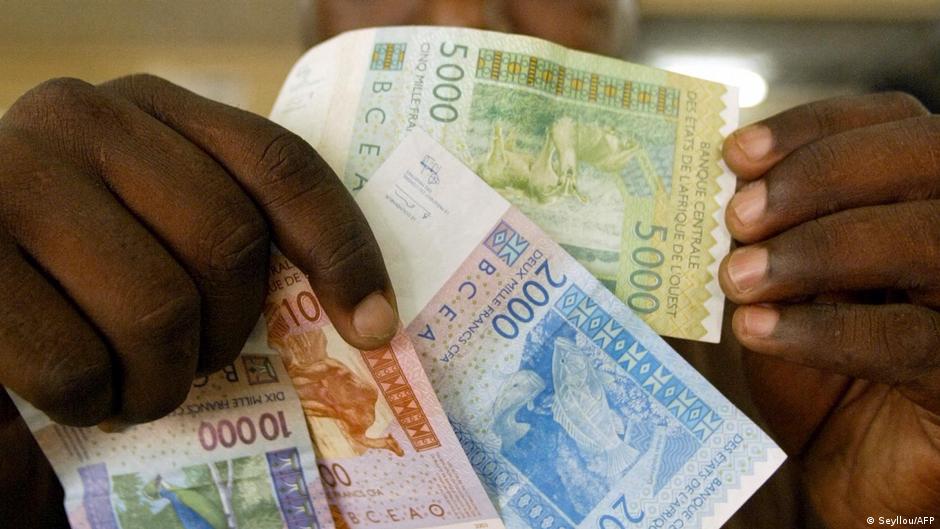
In Dakar, economists, policymakers, and financial experts are gathering for a pivotal two-day conference focused on Senegal’s escalating debt crisis. Titled ‘Senegal’s Debt Crisis: Toward Sustainable and Progressive Solutions Beyond IMF Austerity,’ the event has drawn sharp criticism of the International Monetary Fund (IMF) and calls for innovative, long-term alternatives to fiscal tightening.
This high-level discussion is part of a broader conversation sweeping across Africa about debt sustainability and economic sovereignty. Participants include renowned economists, former government officials, and development specialists who are re-evaluating traditional approaches to public finance.
IMF policies under scrutiny: creating problems or solving them?
Ndongo Samba Sylla, a prominent Senegalese economist and Regional Director for Africa at International Development Economics Associates (Ideas), delivered a provocative critique of the IMF’s role. Speaking to a packed audience, he argued that the Fund’s structural adjustment programs often exacerbate, rather than resolve, debt crises in developing nations.
“The IMF is not the solution—it is part of the problem. It perpetuates external debt traps by promoting policies that serve creditor nations like the United States and France, often at the expense of debtor countries.
Countries with the highest debt burdens are frequently allies of Western powers, and the IMF’s pro-creditor stance reinforces global inequality. For Senegal and Africa, the IMF will never be the answer.”
A united African stance against austerity
The debate over Senegal’s debt also highlights deeper structural issues, particularly the role of the West African CFA franc. While Sylla views it as a central obstacle, Alioune Tine, Founder of the Afrikajom Center, emphasizes the political dimension. He advocates for a collective African response to debt negotiations.
“Debt cannot be managed in isolation. To challenge austerity measures that suffocate our economies, African nations must stand together. Only through unity can we collectively reject harmful fiscal policies and assert our economic independence.”
Debt exceeds 130% of GDP: a hidden burden
Former Prime Minister Ousmane Sonko’s 2024 revelation of ‘hidden debt’ and financial irregularities exposed systemic fiscal mismanagement. These findings were later validated by the IMF, which estimated Senegal’s debt at over 130% of GDP—a figure that has intensified calls for debt cancellation.
Sylla asserts that “illegitimate debt must not be repaid.” He argues that with a functional central bank and strategic monetary policy, Senegal could meet its obligations without crippling its national budget.
In contrast, Alioune Tine urges stakeholders to move beyond emotional reactions and adopt pragmatic, forward-thinking solutions. He cautions against isolationist tendencies in a globalized economy where power dynamics are increasingly unequal.
“True sovereignty in today’s world means recognizing our interdependence. We cannot afford to retreat into outdated notions of self-reliance. The global financial system demands coordinated, strategic action.”
Stronger fiscal oversight proposed
The ruling Pastef-Les Patriotes party has pledged to implement robust measures to prevent future debt crises. Ayib Daffé, Chairman of the party’s parliamentary group, emphasized the need for enhanced parliamentary oversight of public debt and fiscal policies.
“To prevent repetition of past mistakes, we must strengthen legislative control over debt accumulation and budget execution. Financial laws must adhere to principles of transparency and accuracy.”
Meanwhile, President Bassirou Diomaye Faye met with IMF Managing Director Kristalina Georgieva in Nairobi on Tuesday, on the sidelines of the Africa-France Summit. The stated goal of their discussion: to chart a sustainable path forward for Senegal, which has grappled with economic stagnation for over two years.