
Senegal is taking a decisive step to overhaul its long-stagnant palm oil industry. After years of being stuck below 12,000 hectares, the sector is poised for a major breakthrough through a partnership with Indonesia, the global leader in palm oil production.
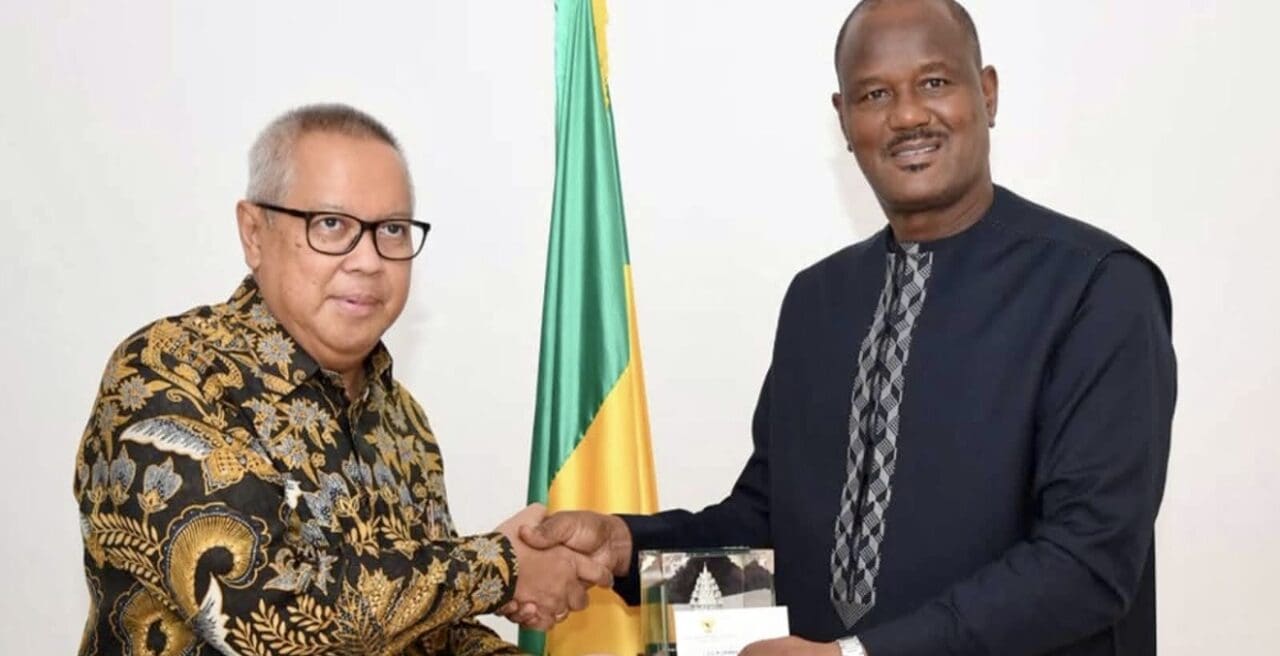
A low-key meeting held on September 11 in Dakar could mark a turning point for a sector that has been at a standstill for a decade. Facing Indonesia’s ambassador, Senegal’s Ministry of Agriculture, Food Sovereignty and Livestock (MASAE) presented an ambitious plan: to develop 60,000 hectares of oil palm plantations in the central and southern regions of the country. This would quintuple the current cultivated area.
According to information from the Senegalese Press Agency (APS), both parties are now working to establish a joint technical working group to steer the next steps. However, Senegal remains tight-lipped on key details such as the precise timeline and financing arrangements.
A sector crippled by a decade of inertia
The stakes are high, reflecting the accumulated backlog. FAO data is unequivocal: between 2015 and 2024, the area dedicated to oil palm cultivation in Senegal never exceeded 12,000 hectares, hovering around 11,800 hectares. This stagnation naturally impacted industrial palm oil production, which also remained frozen at approximately 14,000 tonnes over the period.
As a result, to meet unwavering domestic demand, Senegal has no choice but to open its import floodgates. On average, 148,100 tonnes of palm oil were purchased abroad annually between 2015 and 2024—with a peak of 195,937 tonnes in 2017—costing nearly $108 million per year on average, and reaching $172 million in 2020. This costly dependency is clearly a target of Dakar’s food sovereignty strategy.
Indonesia: a heavyweight partner on the global stage
The choice of Indonesia is no coincidence. With an estimated production of 46.7 million tonnes for the 2025/2026 season, according to the USDA, the Asian archipelago is the undisputed leader in global palm oil production—and also ranks first in exports. This dominance is built on decades of expertise in varietal selection, plantation management, and industrial processing.
For Dakar, the challenge goes beyond simply expanding cultivated areas: it’s about capturing this know-how through technology transfer and strengthening local skills—a prerequisite for building a productive and well-structured industry.
A model already tested elsewhere on the continent
Senegal is not breaking new ground: other African countries have already forged similar partnerships with Jakarta. In Tanzania, authorities signed a cooperation agreement in 2025 with the Indonesian Palm Oil Association (GAPKI), covering training, technical support, and skills transfer. In Nigeria, Africa’s largest palm oil producer, a memorandum of understanding concluded in 2024 between local producers and GAPKI aims for the same objectives: sharing knowledge and technologies to boost productivity.
The question remains whether Dakar can turn this opportunity into success where others have laid the groundwork before.