
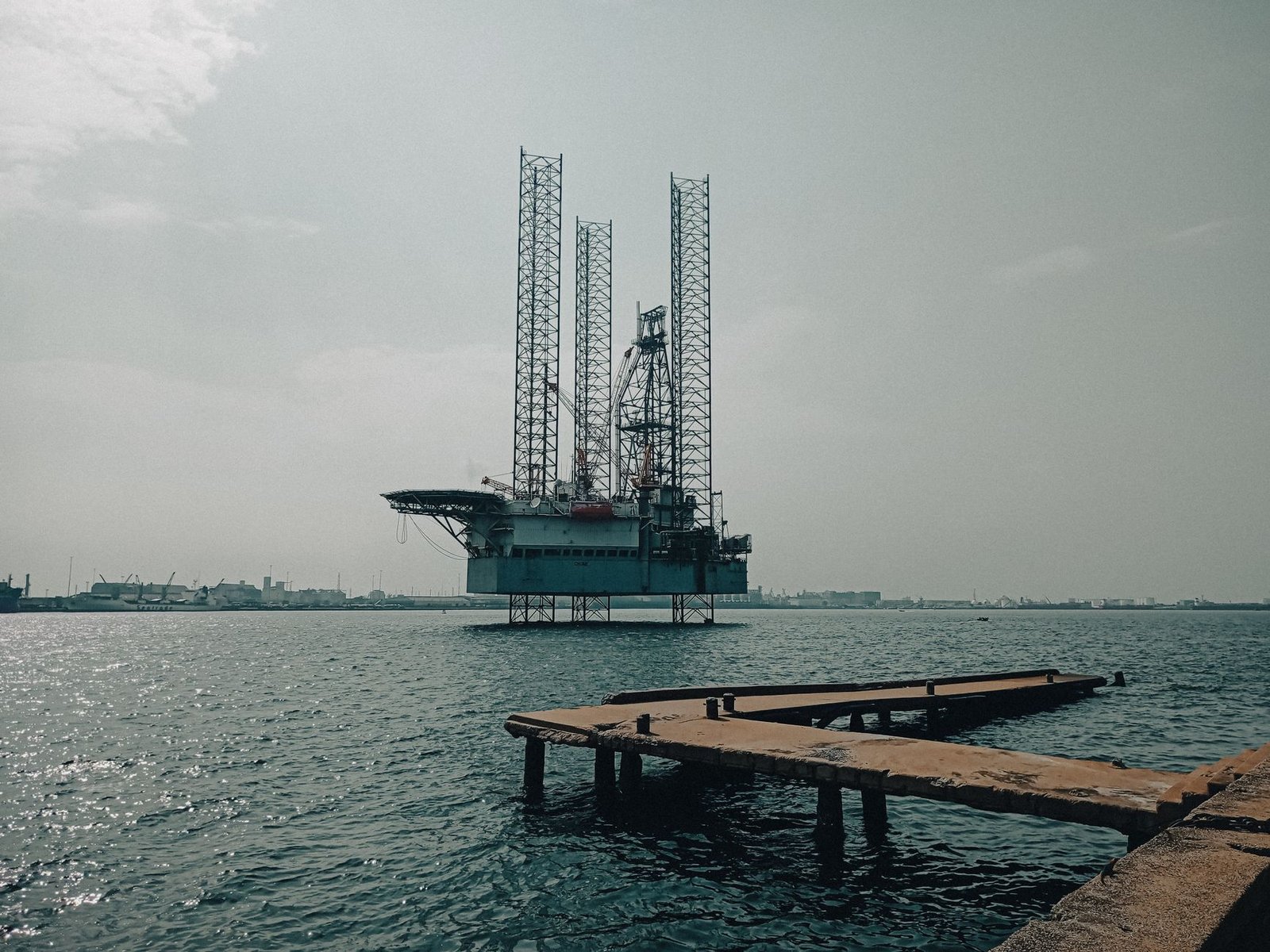
The reappearance of Shell in Gabon signifies a major shift for the local petroleum industry. After a decade-long absence, the Anglo-Dutch energy giant is preparing to reinvest in the Gabonese sedimentary basin. This move comes at a critical time as Libreville works to reverse the persistent decline in its hydrocarbon output. The announcement, made amidst a series of reforms initiated during the current political transition, serves as a powerful signal to the international investment community.
Back in 2016, the energy giant finalized its exit from the country by handing over its terrestrial operations to Assala Energy, a firm then backed by the Carlyle Group. That transaction, valued at several hundred million dollars, was part of a global effort to streamline the company’s portfolio, focusing on deep-water projects and liquefied natural gas. The departure of such a historic operator left a significant void in the nation’s energy landscape.
A political boost for the Gabonese energy landscape
This return unfolds during the leadership of Brice Clotaire Oligui Nguema, who assumed power following the transition in August 2023. In recent months, the authorities have intensified efforts to enhance the attractiveness of the upstream sector. By updating the hydrocarbon code, launching new licensing rounds, and engaging in high-level talks with major firms, the government aims to boost production levels that currently hover around 200,000 barrels per day—a far cry from the record highs seen in the late 1990s.
For Shell, the decision to return reflects a changing perspective on the African continent. As major onshore discoveries become rarer and ultra-deepwater exploration costs remain high, large companies are re-evaluating their mid-term growth strategies. The Gabonese basin, with its untapped potential in deep offshore zones and pre-salt structures, has once again become a competitive destination for capital.
Revitalizing a declining national production
Crude oil remains the lifeblood of the economy, providing over 40% of the national budget and nearly 80% of total exports. However, the natural depletion of mature fields and a period of stagnant investment have put this economic stability at risk. The government is now betting on the return of industry leaders to drive new exploration and extend the productivity of existing sites.
A variety of international players are showing renewed interest in the region. Meanwhile, the national oil company, Gabon Oil Company (GOC), is taking a more prominent role in asset management as contracts are renegotiated. Within this framework, Shell’s re-entry could involve collaborations with established local operators such as Perenco, TotalEnergies, or BW Energy, all of whom have recently strengthened their offshore positions.
A strategic return with details still to be finalized
The specific terms of this redeployment are currently being ironed out, including the exact blocks involved, the investment timeline, and the contractual models to be used. Whether the focus remains on onshore assets or shifts toward deep-water permits will determine the true scale of this comeback. Deep offshore ventures would require commitments in the hundreds of millions of dollars, whereas a focus on mature assets would suggest a more conservative strategy centered on production optimization.
Ultimately, the Shell case is a litmus test for the credibility of the nation’s new energy policy. As Gabon competes for capital against regional neighbors like Nigeria, Angola, Namibia, and Sénégal, its ability to turn these high-level agreements into tangible field operations will dictate the industry’s future for the next decade. The return of this major corporation is a definitive trial for the current administration’s economic vision.
Related developments
Tradex allocates 10.5 billion FCFA to shareholders for 2025 · Sonara earmarks 6.5 billion FCFA for risk coverage through 2029 · Midad Energy commits 5.4 billion dollars to Algerian energy projects