
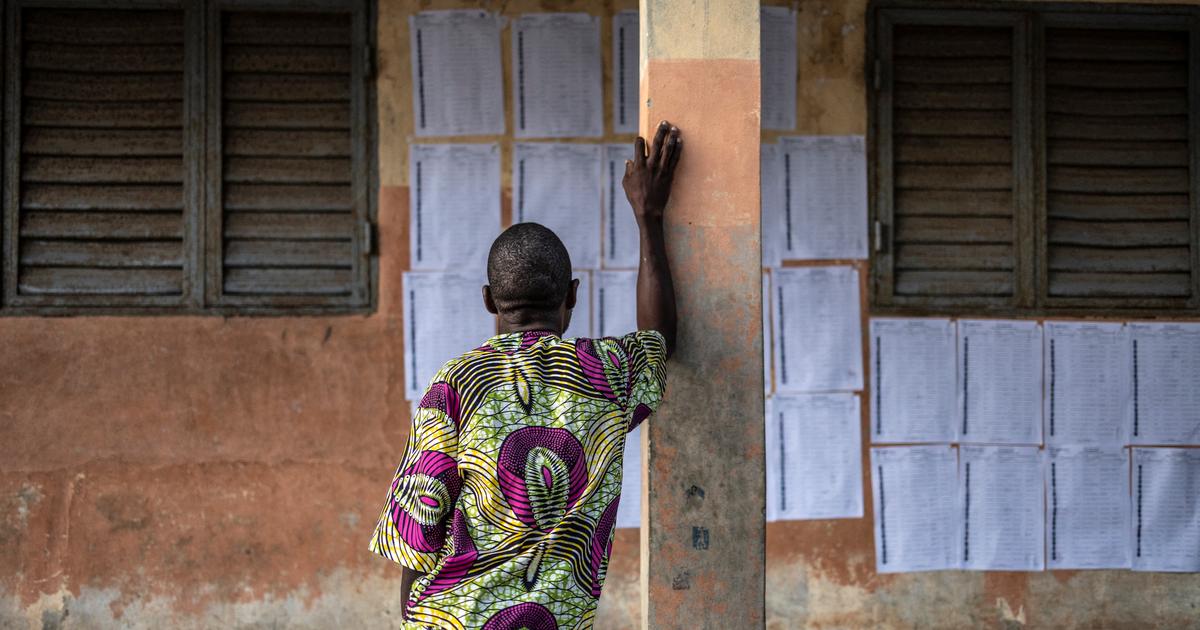
The 2025 presidential elections across Africa have been widely criticized for their lack of suspense, with victories declared for incumbent presidents in the first round. Recent contests in Djibouti (April 10) and Benin (April 12) followed this troubling trend, where opposition candidates struggled to secure a place on the ballot. In Djibouti, incumbent Ismaïl Omar Guelleh won re-election with 97.8% of the vote, while in Benin, Romuald Wadagni claimed 94% of the ballots as Patrice Talon’s anointed successor. Critics argue these outcomes reflect a “predetermined script” rather than genuine democratic competition.
In Djibouti, opposition leader Alexis Mohamed withdrew his candidacy, citing soaring nomination fees as a major barrier. While he also expressed concerns about personal safety, financial hurdles proved insurmountable for many opposition figures. Observers describe these elections as “purely ceremonial”, where the ruling party’s dominance overshadows any real contest for power.
financial barriers block democratic competition
High campaign costs have become a recurring obstacle for opposition candidates across the continent. In Burkina Faso, prospective challengers face exorbitant filing fees that often exceed the financial means of smaller parties or independent candidates. This economic exclusion effectively “prices out democracy”, leaving voters with limited choices and reinforcing the status quo.
Analysts warn that these practices undermine public trust in electoral processes. When only wealthy elites or ruling party affiliates can afford to run, elections lose their legitimacy as tools for change. The situation raises critical questions about Burkina Faso’s political future and the sustainability of its democratic institutions.
what’s at stake for Burkina Faso
The upcoming electoral cycle in Burkina Faso highlights the tension between economic inequality and political participation. Opposition groups argue that inflated campaign costs are not just financial hurdles but deliberate strategies to “silence dissent”. Without reform, these barriers could deepen public disillusionment and fuel unrest in a country already grappling with security challenges.
As Burkina Faso prepares for its next presidential vote, the debate over election financing intensifies. Will the government address these barriers, or will the cycle of exclusion continue? The answer may determine whether Burkina Faso’s democracy remains vibrant or becomes another case study in “elections without alternatives.”