

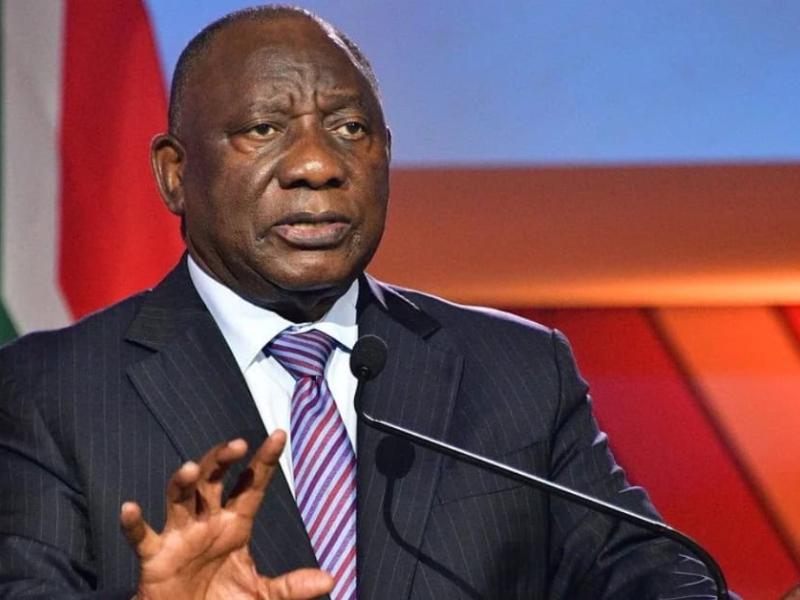
South African President Ramaphosa visits Kinshasa for Ebola solidarity mission
South African President Ramaphosa visits Kinshasa for Ebola solidarity mission
- Politics
South African President Cyril Ramaphosa arrived in Kinshasa on Thursday, July 2 for an official solidarity visit to the Democratic Republic of the Congo. The mission, led by Ramaphosa in his capacity as the African Union Champion for Pandemic Preparedness, Prevention, and Response (PPPR), aims to demonstrate continental support for Congo’s ongoing fight against the 17th recorded Ebola outbreak.
Accompanied by South Africa’s Deputy Minister of International Relations and Cooperation, Thandi Moraka, Ramaphosa met with Congolese President Félix Tshisekedi to reinforce the African Union’s collective commitment to combating the epidemic. The visit underscores the need for heightened political leadership and regional coordination to strengthen cross-border health security measures.
According to a statement from the South African Presidency, the mission will prioritize strengthening the continent’s coordinated response to the Ebola crisis, enhancing inter-state collaboration, and mobilizing both financial and technical resources from AU member states and global partners. The goal is twofold: to contain the current outbreak and to build long-term resilience in Africa’s public health systems for future health emergencies.
The African Union has highlighted the critical role of its PPPR Champion in providing political oversight for Ebola response efforts while fostering solidarity with affected nations and frontline responders. To date, over $100 million has been pledged to the African Union’s Epidemic Fund by member states, with global commitments exceeding $910 million. South Africa has contributed $13.5 million to these efforts.
This solidarity mission comes at a critical juncture. On May 17, the World Health Organization (WHO) classified the Ebola outbreak in Congo—caused by the Bundibugyo strain and later spreading to Uganda—as a Public Health Emergency of International Concern (PHEIC). The situation remains precarious due to high population mobility, weak health infrastructure, and ongoing armed conflicts that hinder access to affected areas. Notably, there is currently no approved vaccine or specific treatment for this Ebola strain.
Despite these challenges, Congolese authorities have emphasized their proactive measures and dismissed alarmist rhetoric. They point to coordinated efforts with national and international partners to contain the spread, drawing on the country’s experience in managing previous outbreaks—16 in total, all of which were successfully controlled through robust response operations.
As the continent grapples with yet another health crisis, Ramaphosa’s visit signals not just solidarity but a call to action for unified, sustained support to safeguard African lives and stability.