
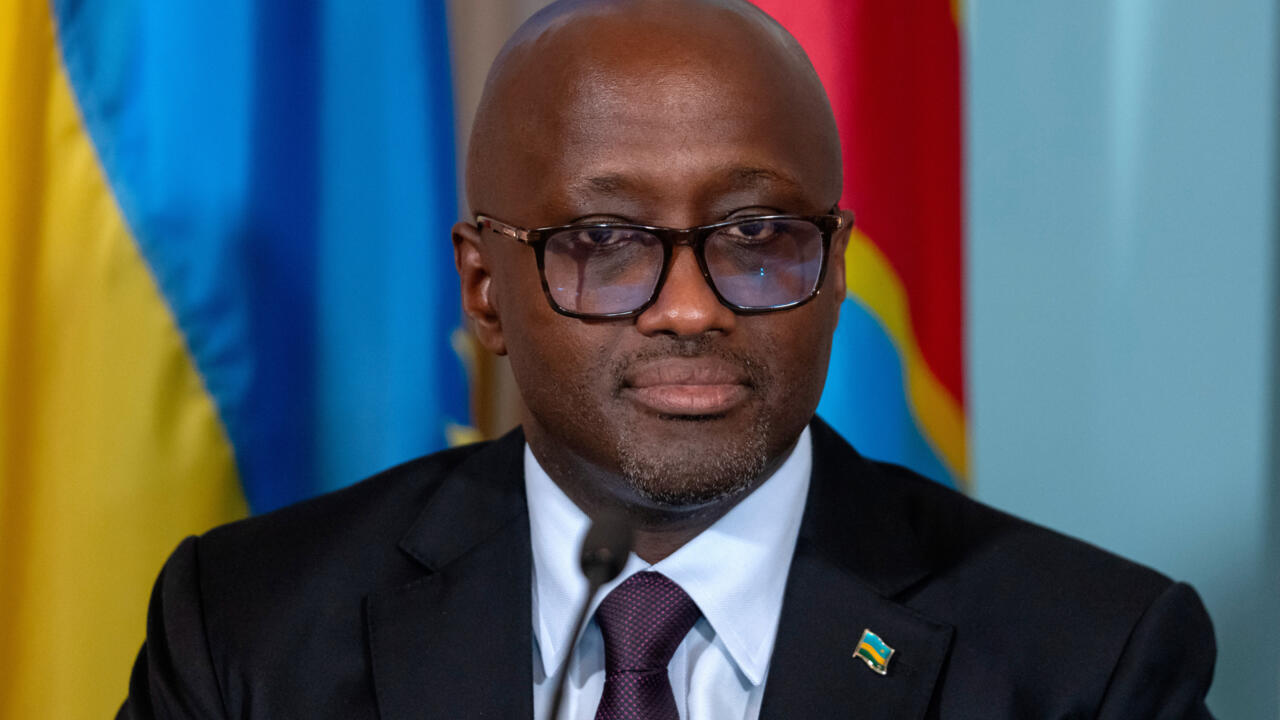
In a high-stakes diplomatic engagement, Rwanda’s Foreign Minister Olivier Nduhungirehe sat down for an in-depth discussion with regional analysts to address the latest developments in the long-standing tensions between Kigali and Kinshasa. The meeting followed the sixth joint peace committee session held in London, where both nations reaffirmed their commitment to de-escalate hostilities, particularly in the volatile Minembwe region, and expand the ceasefire verification mechanism’s scope.
Washington Accord Under the Microscope
Yet these pledges come amid intensifying international pressure. Washington has rolled out a series of sanctions targeting Rwandan officials and businesses, accusing them of facilitating illicit gold and coltan trafficking from areas controlled by the M23 rebel faction. During a closed-door UN Security Council session, U.S. envoy Massad Boulos openly questioned Kigali’s adherence to the obligations outlined in the Washington Accord. The question now looms large: Is Rwanda prepared to defend its position against mounting allegations?
Diplomatic Crossroads for Kigali
The Rwandan foreign minister’s remarks underscore a critical juncture. While both governments have recommitted to dialogue, the specter of sanctions and conflicting narratives threatens to undermine progress. The London meeting’s outcomes—including expanded ceasefire monitoring—are now being scrutinized for their practical implementation. Can Rwanda navigate these diplomatic waters while addressing external accusations?
Minister Nduhungirehe’s engagement with the media reflects a broader effort to clarify Rwanda’s stance. The discussions in London and Washington’s firm stance create a complex backdrop for future negotiations, raising questions about the sustainability of the peace process.