
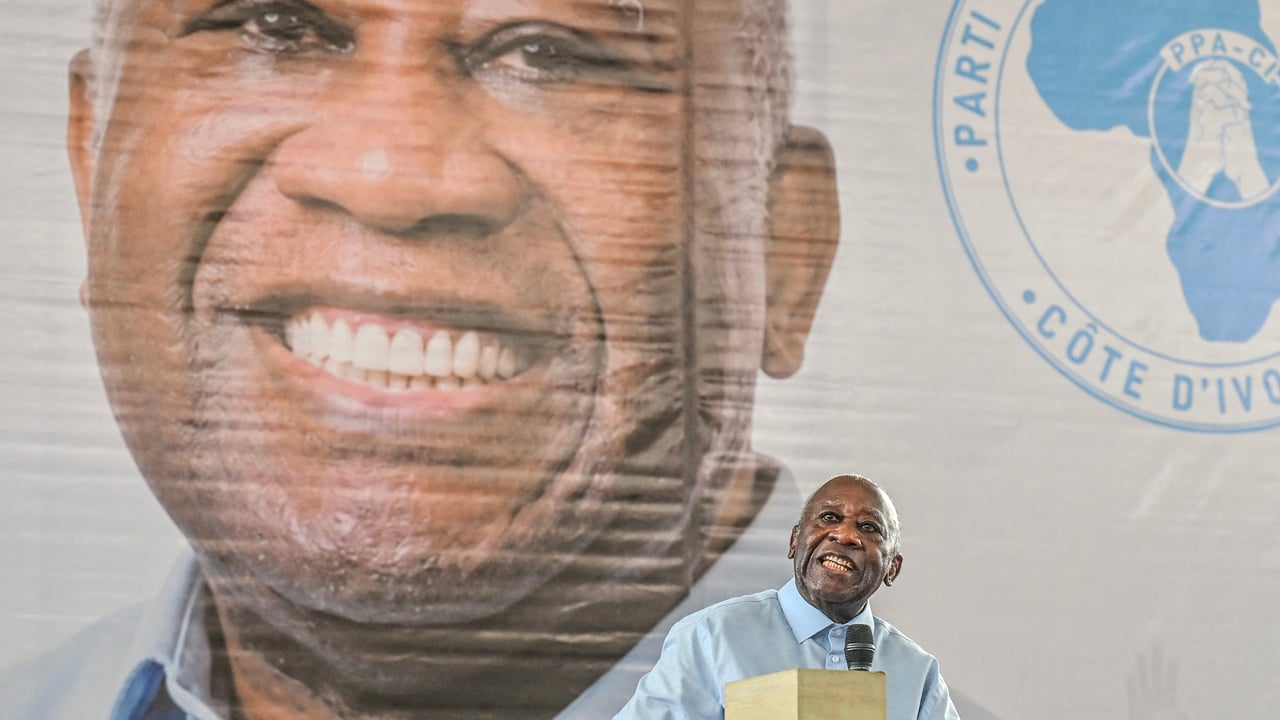
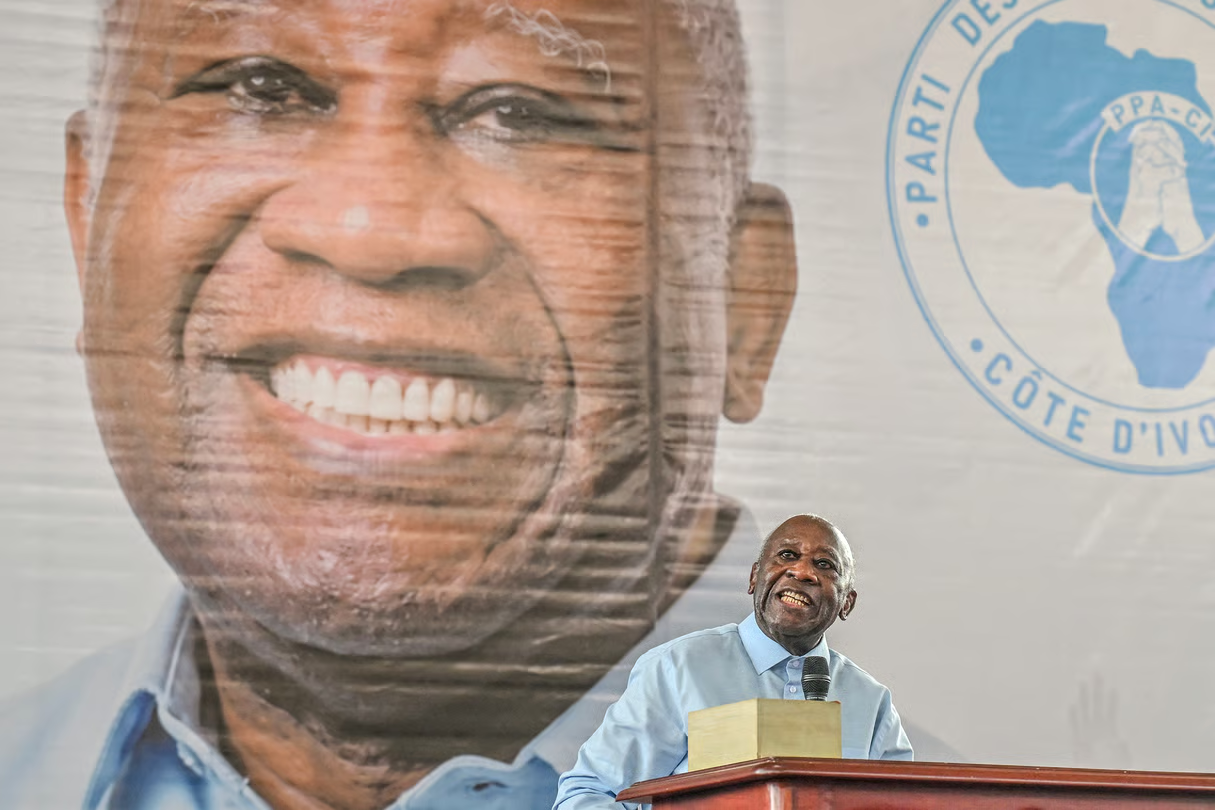
At the helm of the African People’s Party-Côte d’Ivoire (PPA-CI), Laurent Gbagbo has once again demonstrated his enduring influence on the country’s political stage. His recent moves suggest a calculated strategy to redefine the party’s direction and strengthen its position ahead of upcoming electoral cycles.
a bold reorganization reshapes the PPA-CI
The first national congress of the PPA-CI, held in Abidjan in mid-May 2026, marked a turning point for the party. Under Gbagbo’s leadership, delegates approved sweeping reforms aimed at revitalizing the party’s structure and aligning it with modern political challenges. These changes reflect a broader vision to consolidate the PPA-CI’s role as a key player in Côte d’Ivoire’s evolving democracy.
key reforms unveiled during the congress
The congress introduced several pivotal adjustments:
- new leadership appointments: a refreshed executive team was unveiled, featuring both seasoned loyalists and emerging figures expected to inject fresh energy into the party’s operations.
- policy platform updates: delegates adopted a revised manifesto focusing on socioeconomic issues, governance reforms, and youth empowerment—areas critical to addressing current public concerns.
- internal governance overhaul: stricter accountability measures were introduced to enhance transparency and reduce internal factionalism, a persistent challenge for the party in past years.
These reforms are not merely administrative; they signal Gbagbo’s intent to position the PPA-CI as a forward-thinking force capable of addressing Côte d’Ivoire’s future challenges.
the strategic significance of Gbagbo’s leadership
Laurent Gbagbo remains a polarizing yet undeniably influential figure in Ivorian politics. His ability to mobilize supporters and shape national discourse has kept the PPA-CI relevant despite years of political turbulence. The recent restructuring is widely seen as a move to prepare the party for both local and national elections, where competition is intensifying.
Analysts suggest that Gbagbo’s focus on youth engagement and socioeconomic policies could resonate with a growing segment of the electorate disillusioned by traditional parties. By emphasizing governance reform and inclusive development, the PPA-CI aims to reclaim its historical base while appealing to new voters.
what’s next for the PPA-CI and Côte d’Ivoire?
The success of these reforms will depend on their implementation and the party’s ability to translate policy promises into tangible results. With Côte d’Ivoire’s political landscape shifting rapidly, the PPA-CI’s revitalized agenda could play a decisive role in shaping the nation’s trajectory.
The coming months will reveal whether Gbagbo’s strategic vision can translate into electoral gains or further consolidate the party’s influence within the country’s complex political ecosystem.