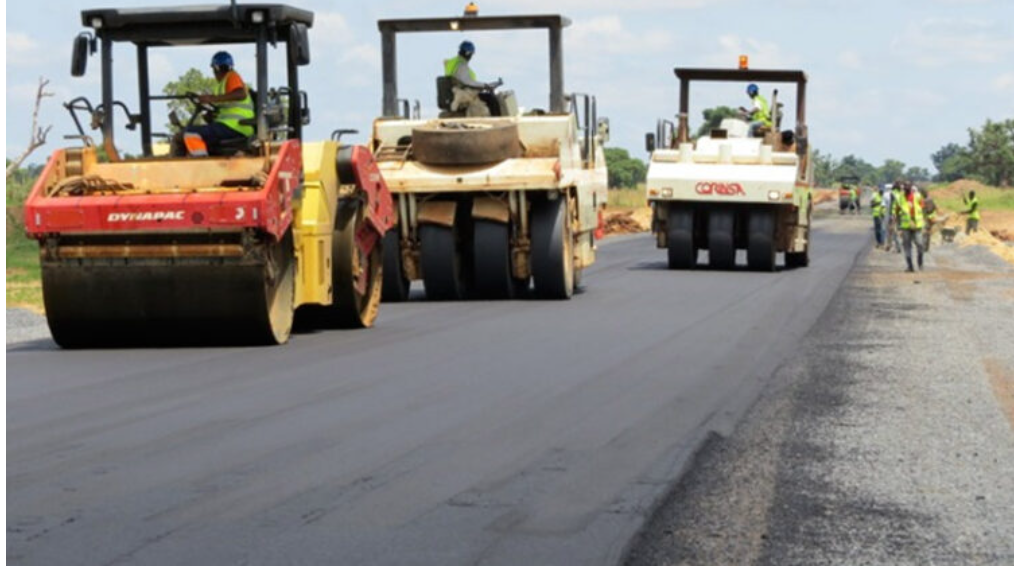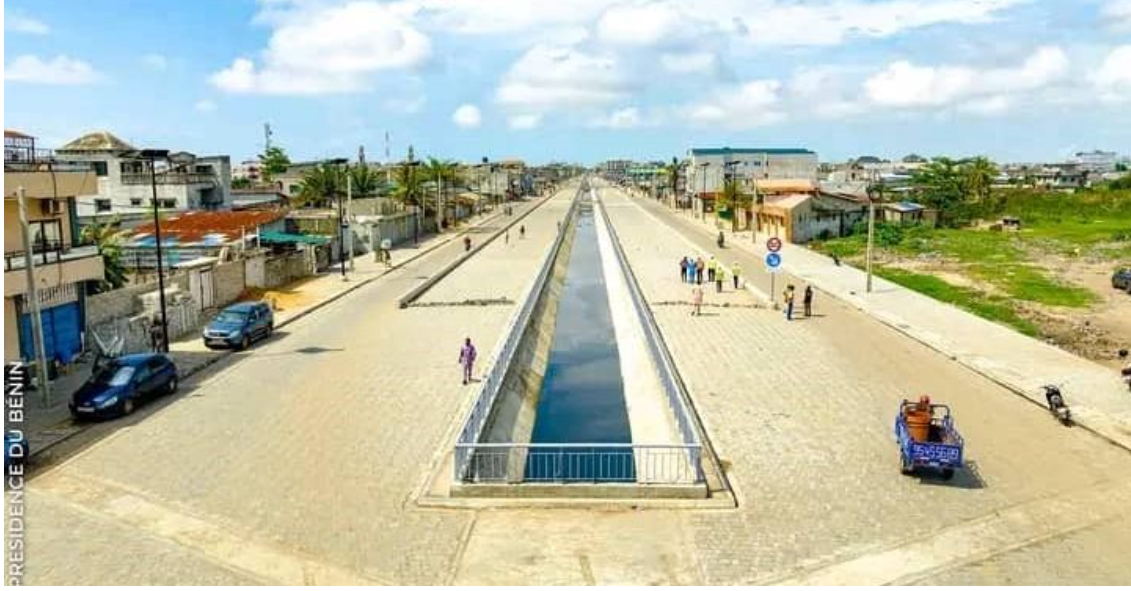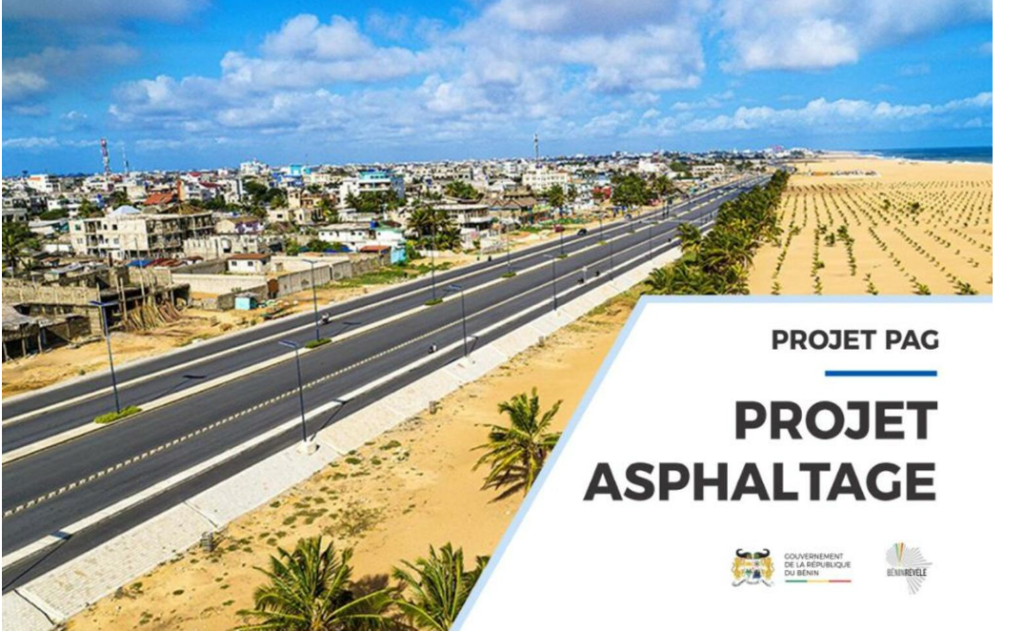
When assessing the impact of Patrice Talon’s leadership, one achievement stands out above all others: the radical transformation of the national road network. Over the past decade, the Head of State has fundamentally reshaped Benin, replacing dusty tracks with modern asphalt. From the bustling streets of Cotonou to the most isolated rural hamlets, the “man of the rupture” has placed progress directly beneath the feet of his fellow citizens. As his term nears its end, his monumental work in civil engineering remains the most visible testament to his era—a showcase of development that continues to impress observers.
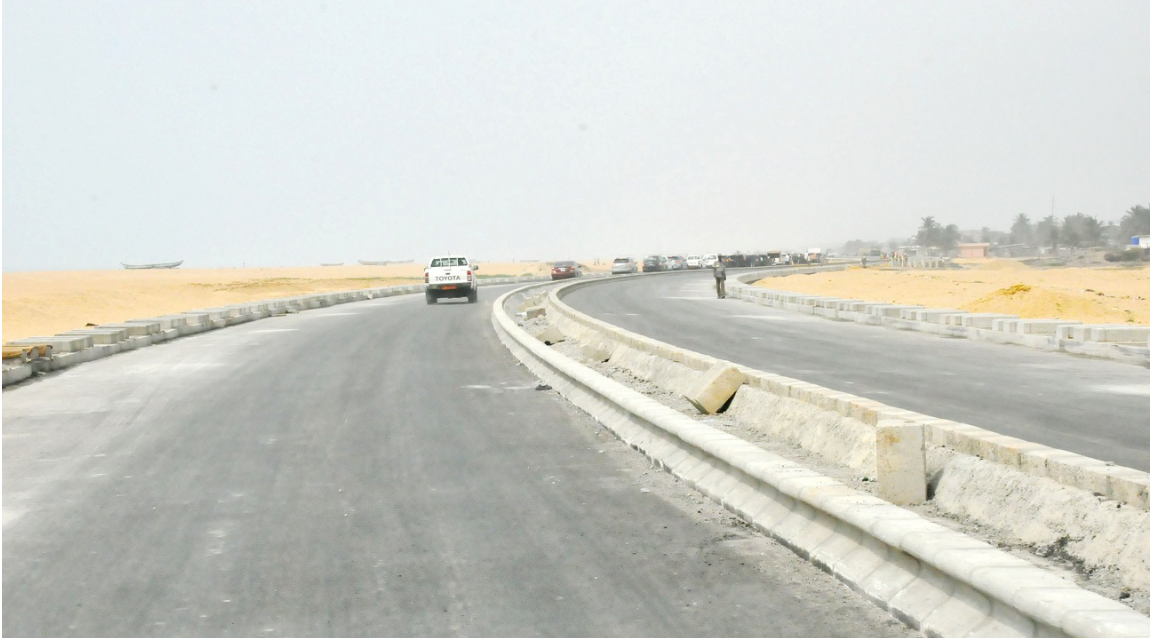
A strategic vision for national prosperity
In 2016, Patrice Talon inherited a nation struggling with dilapidated transport links. He recognized early on that economic growth is impossible without fluid movement. Connectivity is the backbone of thriving commerce, accessible healthcare, and reachable schools. His strategy was clear: end Benin’s isolation, link agricultural heartlands to urban markets, and attract foreign investment through well-maintained cities. Ten years later, the results speak for themselves, validated by impressive statistics.
Record-breaking milestones in road infrastructure
Benin has never witnessed such an intense period of infrastructure development. Official records confirm that more than 2,000 kilometres of roads have been paved, with an additional 1,100 kilometres currently under construction. This means thousands of households now enjoy dust-free environments as vehicles pass their doors. For farmers, it means transporting produce without the risk of damaging their equipment. For families, it means safer commutes to school. Municipalities are no longer isolated pockets; they are now part of a vibrant, interconnected network.
The Asphaltage urban transformation
One specific initiative has become a household name: Asphaltage. This program sparked an unprecedented urban renewal, revitalizing the economic hub of Cotonou, the political capital of Porto Novo, and the northern gateway of Parakou. It also extended its reach to Abomey Calavi, Djougou, Kandi, Ouidah, and beyond. Through this project, these cities have been completely rejuvenated, restoring dignity to previously neglected neighborhoods.
Navigating Cotonou today is a transformed experience. Gone are the deep potholes and the mud traps that plagued pedestrians during the rainy season. The suffocating dust clouds of the dry season have vanished. Beninese citizens are rediscovering their country through a lens of modernization and pride. Commuting is no longer an ordeal but a smooth journey. Clean streets provide safe spaces for children to play, while vendors operate without the threat of stagnant water. Crucially, the improved roads allow ambulances and firefighters to respond to emergencies with life-saving speed.
Strengthening regional and international links
The infrastructure drive extended far beyond local streets. President Talon prioritized strategic corridors, such as the fully rehabilitated Cotonou-Niamey route, which serves as a vital artery for regional trade. This highway now supports a constant flow of heavy goods vehicles moving seamlessly between Benin and Niger. Similarly, the iconic Route des Pêches has undergone massive upgrades. New bridges have emerged, and roads have been widened to eliminate congestion. Travel times that once took hours have been reduced to minutes, positioning Benin as an essential transit hub for neighboring landlocked countries.
A legacy of progress and national dignity
Perhaps the most significant change is psychological. The average citizen no longer laments the state of the roads; instead, there is anticipation for the next project. This shift in mindset reflects a new era of national confidence. Visitors are struck by the country’s evolution, and international investors see a nation that is actively building its future.
Patrice Talon has achieved what many thought impossible, paving more roads in a decade than his predecessors combined. He has opened up neglected regions, allowing local economies to flourish as markets grow alongside new thoroughfares. This tireless effort has earned praise from technical partners and international financial institutions alike. In Benin today, asphalt is more than just a material; it is a symbol of dignity and a country moving forward with its head held high. This is an enduring legacy etched into the very soil of the nation.