
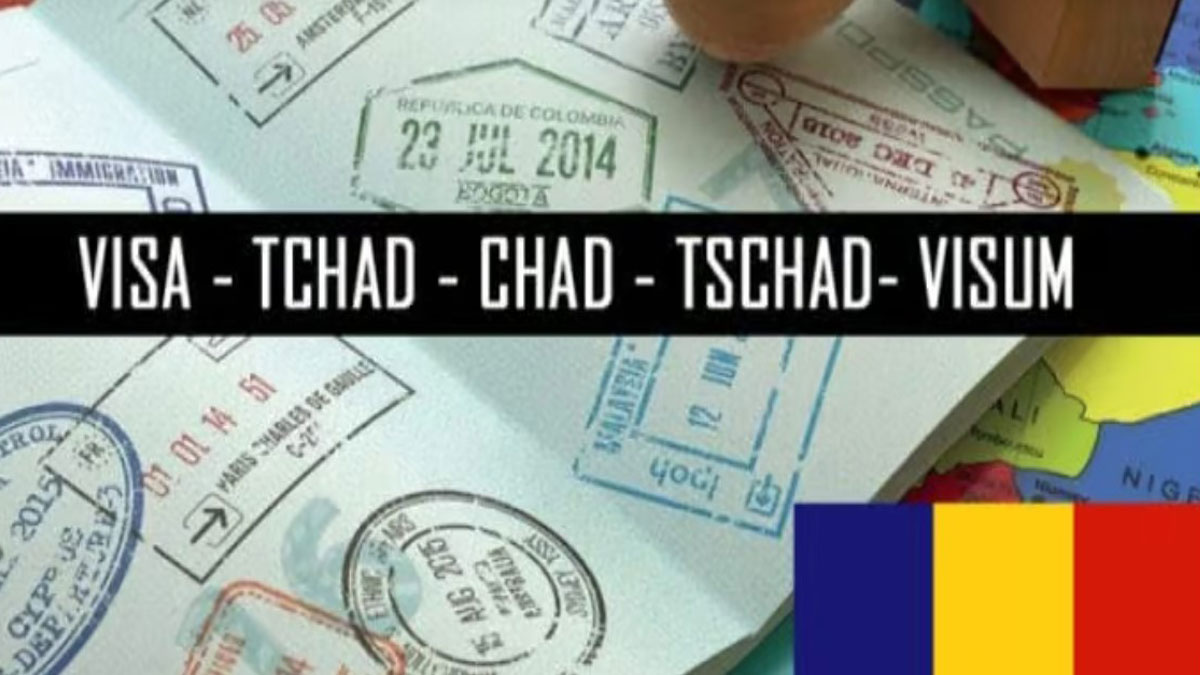
N’Djamena is making a bold move in African integration. Starting January 1, 2027, the Republic of Chad will eliminate visa requirements for all African citizens, allowing unrestricted entry to its territory. Announced by President Mahamat Idriss Déby Itno, this landmark decision positions Chad as a frontrunner in continental free movement.
During the African Water Forum in N’Djamena on July 15, 2026, the head of state unveiled this transformative policy, marking a significant shift in Chad’s approach to regional cooperation.
Chad joins the ranks of Africa’s border-free nations
With this initiative, Chad aligns itself with a select group of African countries that have embraced total openness, including Rwanda, Benin, Gambia, Kenya, and Seychelles. Historically, Central Africa has been known for its restrictive border policies, making this move particularly groundbreaking.
For Chad—a landlocked nation at the crossroads of the Sahel, North Africa, and Central Africa—this decision represents a strategic bet on future growth and connectivity. The country’s leadership sees this as an opportunity to foster deeper economic and cultural ties with its continental neighbors.
« This policy will enable African citizens to enter Chad without prior visa requirements, paving the way for stronger exchanges and diplomacy. » — Mahamat Idriss Déby Itno, President of the Republic of Chad
Sending a powerful message to the African Union
This announcement carries immense political and symbolic weight. The African Union (AU) has long advocated for a single African passport and free movement under its Agenda 2063, aiming to boost intra-African trade through the African Continental Free Trade Area (AfCFTA).
By removing administrative hurdles, Chad takes a concrete step toward these goals. The move is expected to:
- Boost economic flows: Easing travel for businesspeople, investors, and entrepreneurs across the continent.
- Accelerate regional integration: Strengthening scientific, cultural, and technical cooperation.
- Revitalize tourism: Attracting new visitors and energizing Central Africa’s service sector.
Challenges ahead in achieving a visa-free transition
While the policy has been widely praised by pan-African advocates, its implementation by 2027 will require addressing significant security and logistical challenges. Chad shares borders with complex regions, including Sudan, Libya, Central African Republic, Niger, and Nigeria. Ensuring robust border controls at airports and land crossings will be critical.
The government must balance heightened security measures—such as digitalizing police databases—with the need for seamless traveler processing. Nonetheless, this bold declaration positions N’Djamena as a pioneer in continental unity, urging other African capitals to follow suit.