
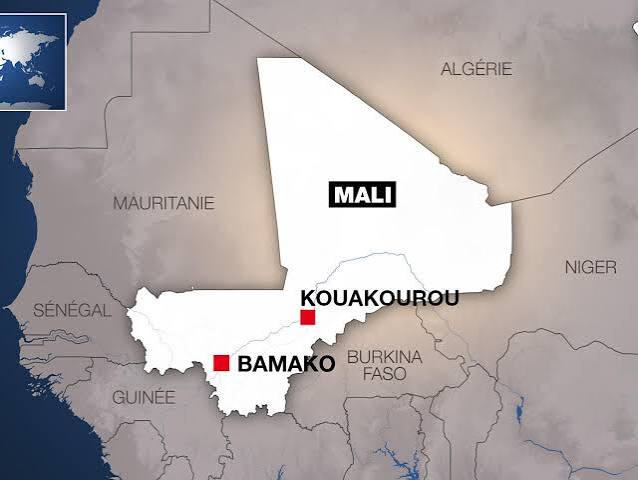
Thousands of kouakourou residents face hardship in Mali after fleeing violence
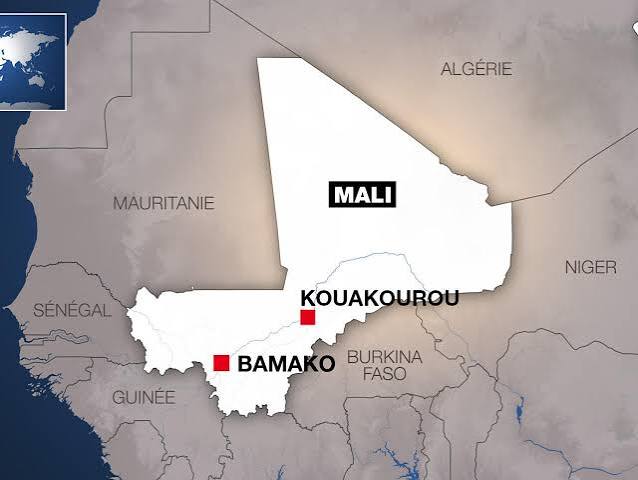
For two weeks, thousands of residents from Kouakourou, a town in central Mali, have endured dire circumstances, uprooted from their homes. They were compelled to abandon their community following a strict ultimatum issued by militants from the Group for the Support of Islam and Muslims (JNIM), an organization linked to Al-Qaïda, and are now striving to establish a semblance of normal life away from their native grounds.
The militant group, after seizing control of Kouakourou’s military camp, issued a direct order for the entire populace to vacate the area. This directive led to an exodus of approximately 5,000 individuals, who sought safety in nearby villages, including Djenné, Bamako, and Mopti. Notably, in Mopti, local authorities have provided temporary shelter for over 400 of these displaced individuals within a school facility.
While food aid is being distributed, a collaborative effort by various donors and the municipal government, the overall living conditions remain challenging. Classrooms have been repurposed as makeshift sleeping quarters, and due to the severe lack of space, several families are forced to spend their nights in the school’s open courtyard. The arrival of seasonal rains further complicates their plight, compelling all those displaced to huddle together indoors.
Beyond the tangible hardships, these families express deep emotional distress over the forced abandonment of their homes and possessions. Numerous residents recount departing Kouakourou with nothing more than the clothes on their backs, and many report that their mobile phones were confiscated by the militants during their flight.
This mass displacement coincides with the crucial agricultural season, severely jeopardizing harvests and the primary livelihoods of countless families. For those uprooted, the aspiration of returning to Kouakourou remains paramount, yet the prevailing security landscape currently renders any short-term return an impossibility.