
Togo opposition meeting draws low turnout in Lomé
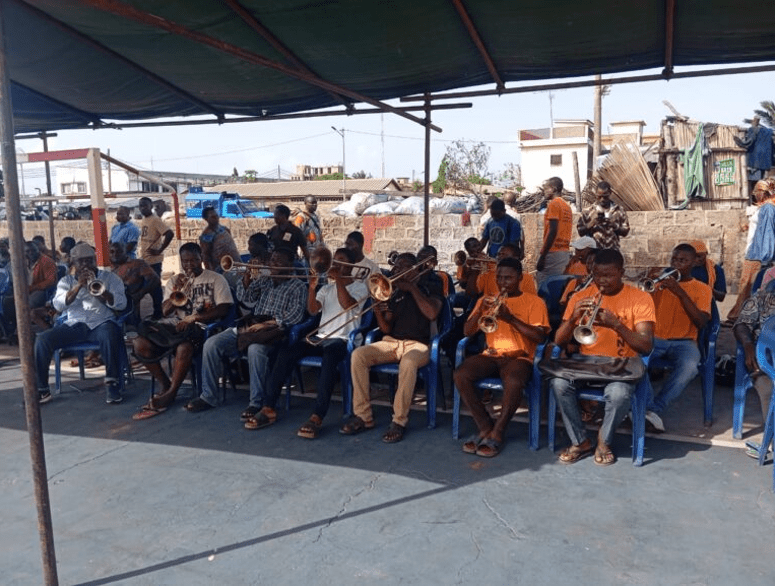
Despite extensive promotional efforts, the much-anticipated gathering organized by the Cadre national de concertation pour le changement (CNCC) failed to generate significant public interest. On Saturday, May 9, 2026, the Akassimé grounds in Lomé remained largely empty, with only scattered groups of activists answering the call from opposition leaders.
The event, scheduled to begin at 2 PM, saw minimal attendance even an hour later. Observers suggest this lackluster turnout signals a growing disillusionment with traditional protest methods. Many citizens now prioritize tangible solutions to everyday struggles—such as job opportunities, clean water access, and universal healthcare coverage—over repeated political slogans.
Key figures within the movement, including elected deputies in the National Assembly, struggled to rally support. Their approach, perceived by some as overly alarmist, no longer aligns with an electorate demanding practical, constructive reforms to improve living standards. This disconnect raises questions about the coherence of the coalition’s strategy between institutional engagement and street-level activism.
The rebranding from the Collectif pour le Rassemblement et l’Action Citoyenne (CRAC) to the CNCC has done little to rekindle momentum. Critics view the name change as a superficial rebranding effort rather than a meaningful shift in message or goals. On the ground, the event resembled a modest neighborhood gathering rather than a powerful political rally capable of shaping national policy.
For the opposition to regain public trust, a fundamental reassessment of its tactics may be necessary. The rejection of outdated rhetoric indicates that citizens now expect direct contributions to the country’s progress. The political survival of these groups hinges on their ability to present a compelling alternative—one rooted in actionable solutions rather than fleeting, symbolic mobilizations.