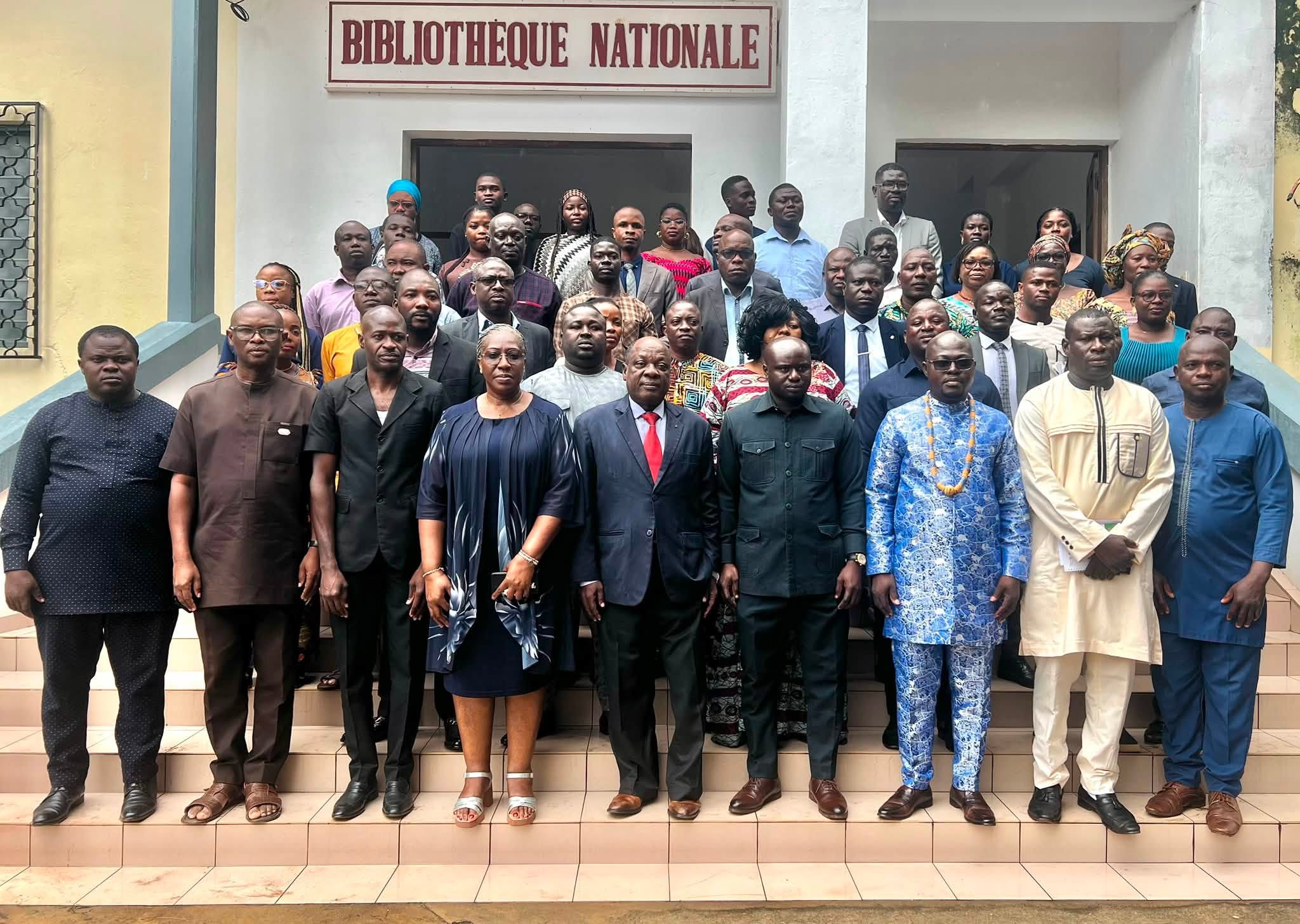
As public administrations worldwide accelerate their digital transformation, Togo is making a concerted effort to elevate its national archives to a central position once again. In Lomé, on International Archives Day, leading experts and government officials convened to critically examine the vital role archives play in safeguarding individual rights, preserving the nation’s collective memory, and enhancing public governance.
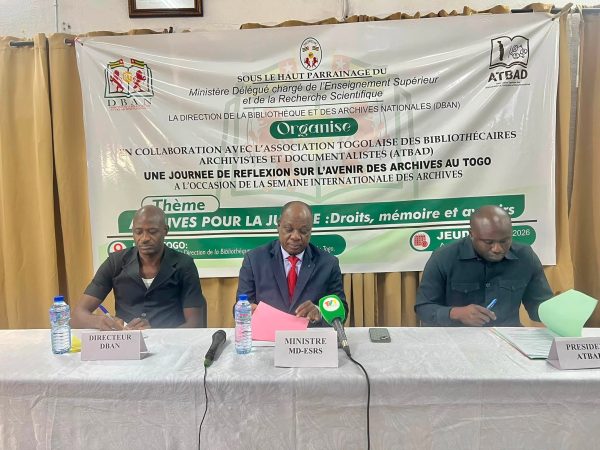
Archives transcend mere historical artifacts; they represent a powerful instrument for fostering transparency, ensuring justice, and improving administrative efficiency. These crucial themes formed the core of a dedicated day of reflection held on Thursday, July 2, 2026, at the Direction de la Bibliothèque et des Archives nationales (DBAN), under the compelling theme: « Archives for justice: rights, memory, and futures ».
This significant gathering, organized in collaboration with the Association togolaise des bibliothécaires, archivistes et documentalistes (ATBAD), was part of the global observance of International Archives Day. Its primary objective was to underscore the indispensable contribution of archival services to the preservation of national heritage, the protection of citizen rights, and the fortification of transparency within public administration.
Archives: a cornerstone of modern governance
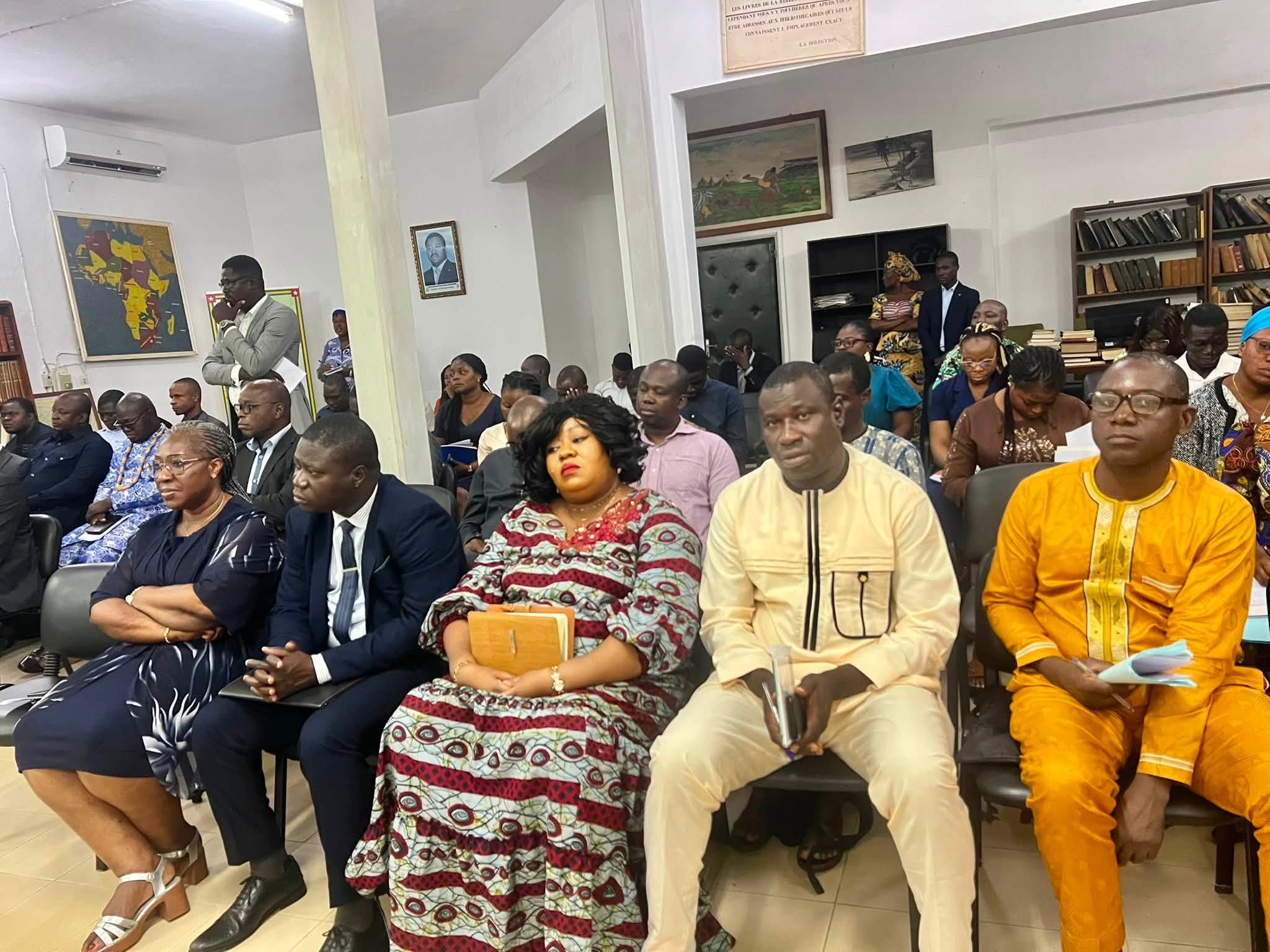
The proceedings were officially inaugurated by Professor Gado Tchangbedji, the Minister Delegate for Higher Education and Scientific Research. In his opening remarks, he underscored that robust archives are an indispensable link in the chain of state modernization and the continuous improvement of public services.
According to the Minister, effective document management not only serves to safeguard the nation’s administrative and historical legacy but also critically facilitates access to information, thereby strengthening the bond of trust between governmental institutions and their citizens.
The Minister further commended the proactive efforts initiated by the President of the Council, Faure Essozimna Gnassingbé, towards the comprehensive digital transformation of the administration. He specifically highlighted the development of e-government initiatives, which are presented as vital tools for bridging the gap between public services and their users.
Anticipated recommendations to bolster archival services
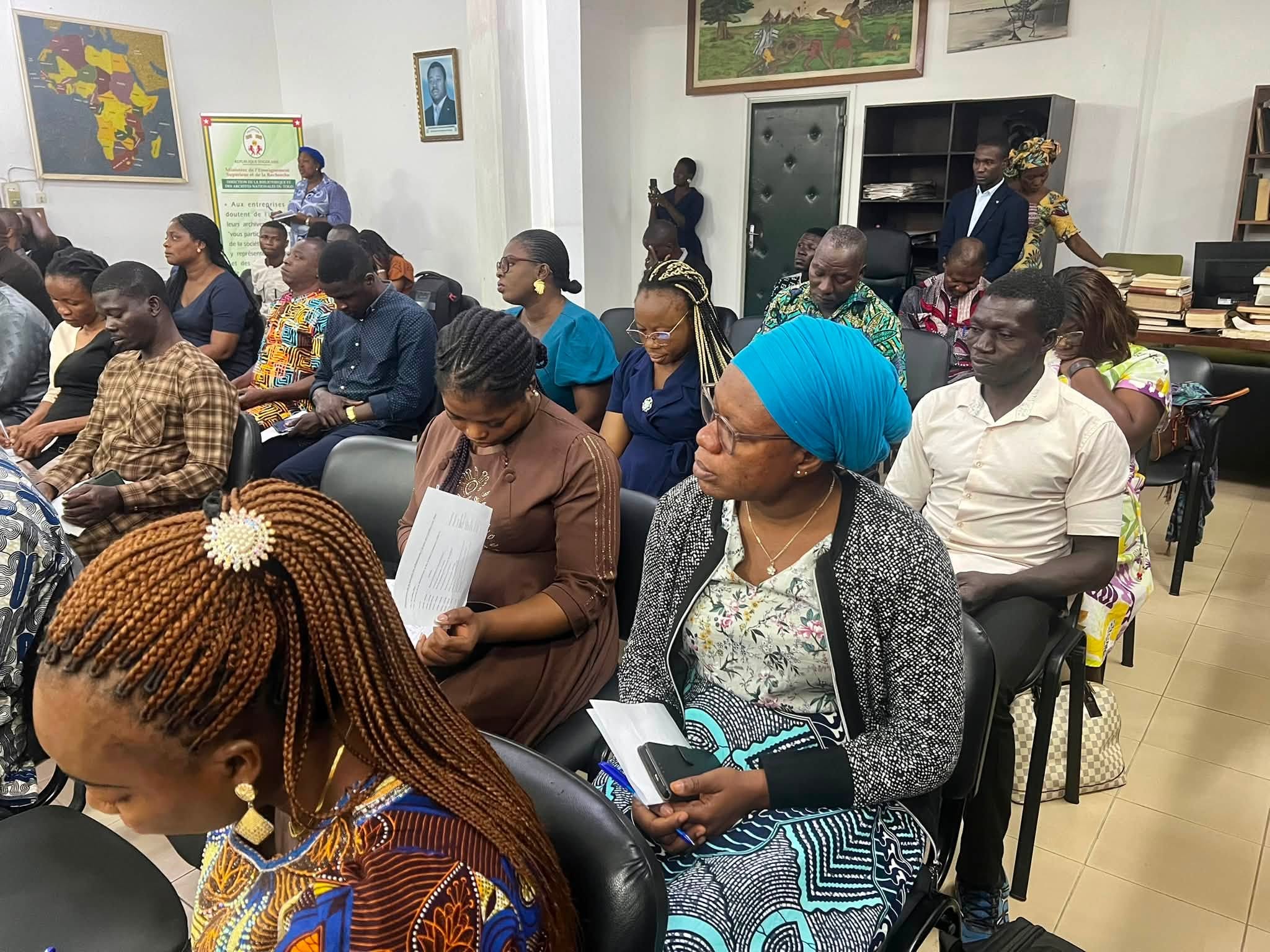
Beyond formal addresses, the event featured a series of thematic presentations, followed by engaging discussions involving archival professionals, librarians, documentalists, and representatives from various public administrations.
The dialogues thoroughly explored challenges associated with document conservation, their digitization, ensuring accessibility, and their overarching role in upholding rights and facilitating the sound administration of justice.
Upon concluding the sessions, participants collectively reaffirmed the strategic importance of archives in shaping the national historical narrative. They expressed a strong desire that the recommendations generated would contribute to the sustained enhancement of archival services throughout Togo, particularly within the accelerating context of the administration’s digital transition.