
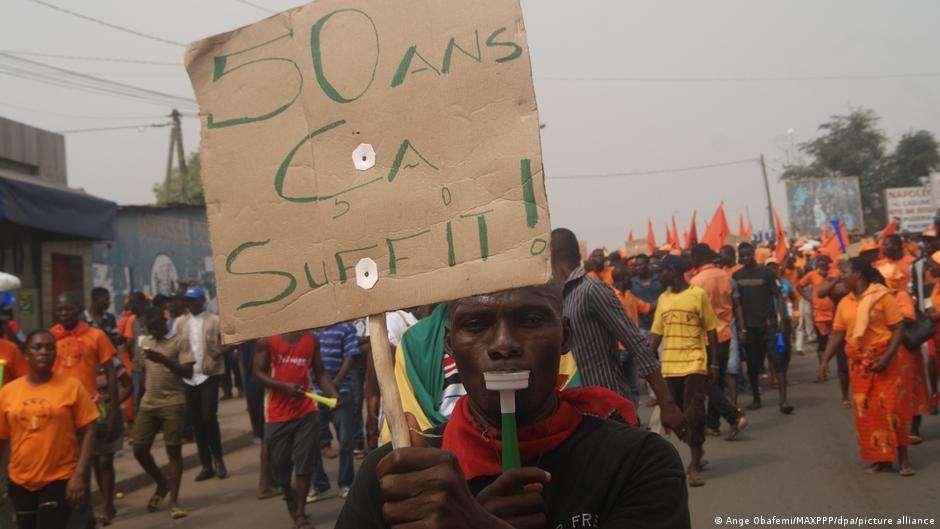
After years of being barred from public gatherings, Togo‘s opposition coalition finally secured permission to hold a rally in Lomé over the weekend. This landmark event has reignited debate over whether the country is witnessing a genuine political thaw or merely a temporary easing of restrictions.
Uniting under the CNCC banner
The gathering drew several hundred participants, marking the first public meeting of the new Cadre National de Concertation pour le Changement (CNCC), a coalition comprising four opposition parties and civil society organizations. Davdi Dosseh of the Front Citoyen Togo Debout, one of the organizers, emphasized the urgency of their demands: “We seek governance change because Togo suffers systemic corruption, crumbling public services, and stagnation. For years, authorities have used flimsy excuses to block peaceful assemblies, but we refuse to give up.”
Is this a sign of lasting change?
While welcoming the government’s decision to permit the rally, political analyst and Director of the Togolese Tamberma Institute for Governance, Paul Amégankpo, urges caution. He notes that “the authorization of a single peaceful march does not yet confirm a definitive political opening, but could signal a willingness to relax restrictions on freedom of assembly, association, and political activity.”
Amégankpo stresses the need for further evidence: “Observing additional signs of political goodwill will determine whether this event represents a lasting shift toward greater democratic freedoms or merely a brief respite in an otherwise tense political climate.”
Attempts to obtain an official response from government representatives have so far been unsuccessful.
The coming weeks will reveal whether this gathering heralds a new era of democratic space in Togo or remains an isolated incident in an enduringly restrictive environment.