
Water access in Chad: balancing hope with deep-rooted skepticism
The African Water Forum kicked off today in N’Djamena, co-hosted by Chad and the World Bank Group under the banner “From Vision to Action.” The event has drawn African heads of state, water experts, and development partners to chart a path toward improved water access across the continent.
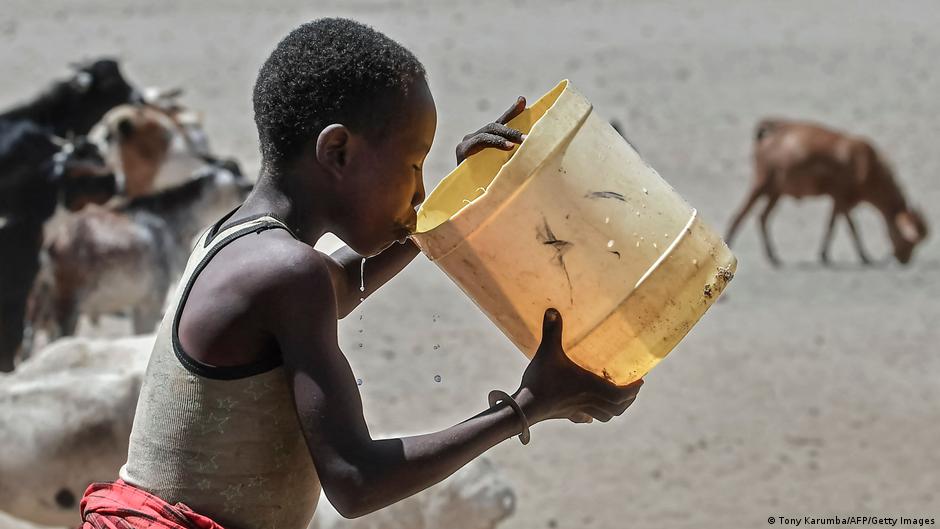
The spotlight, however, remains firmly on Chad itself, where access to clean drinking water remains an urgent and unmet need. Official figures reveal that nearly 40% of the population still lacks reliable access to safe water sources.
Chadians voice urgent demands for change
For many citizens, the forum represents more than a diplomatic gathering—it’s a potential turning point for a basic human necessity. Eliane, a housewife in N’Djamena, shares her perspective: “As a Chadian woman, I’m pinning my hopes on this forum. The water many people drink here is barely safe. If this meeting can lead to real improvements, I’m all for it.”
The forum aims to move beyond declarations by fostering partnerships between governments, donors, and private investors to fast-track investments in water infrastructure. The goal is clear: transform policy commitments into tangible projects that reach communities in need.
Skepticism lingers over past promises
Not everyone shares the optimism surrounding the event. Richard, a local teacher, reflects a common sentiment: “We’ve seen forums like this before—nothing ever changes. Without genuine political will, this event won’t fix Chad’s water crisis.”
Moussa, a small business owner, echoes the frustration: “The funds spent organizing this forum could have been used to build thousands of water points. Too often, these summits end with reports that gather dust on shelves.”
The gap between high-level ambitions and on-the-ground realities is stark, especially in rural areas where access to clean water is most limited.
Sharp regional disparities reveal the depth of the crisis
While national statistics claim 63.5% of Chad’s population has access to clean water, the average hides glaring inequalities. In regions like Guéra, Wadi Fira, and Sila, access drops to between 10% and 21%. Many families still rely on contaminated ponds or seasonal streams, risking waterborne diseases and malnutrition.
The National Human Rights Commission (CNDH) has urged authorities to prioritize water infrastructure, sanitation, and climate-resilient resource management. “Water access is not just about health—it’s about peace, social cohesion, food security, and human development,” stressed CNDH President Belngar Larmé Laguerre.
The Commission calls for sustained investment and stronger international support to build sustainable solutions capable of withstanding climate pressures.
Governance questions overshadow the forum
Another concern has emerged regarding the forum’s organization. Responsibility for hosting the event was assigned to the Ministry of Finance, Budget, Economy, Planning, and International Cooperation—rather than the Ministry of Water.
This decision has raised eyebrows among observers who question the coherence of public water policy. For millions of Chadians, the forum’s success will be measured not by speeches, but by visible improvements in their daily lives.