
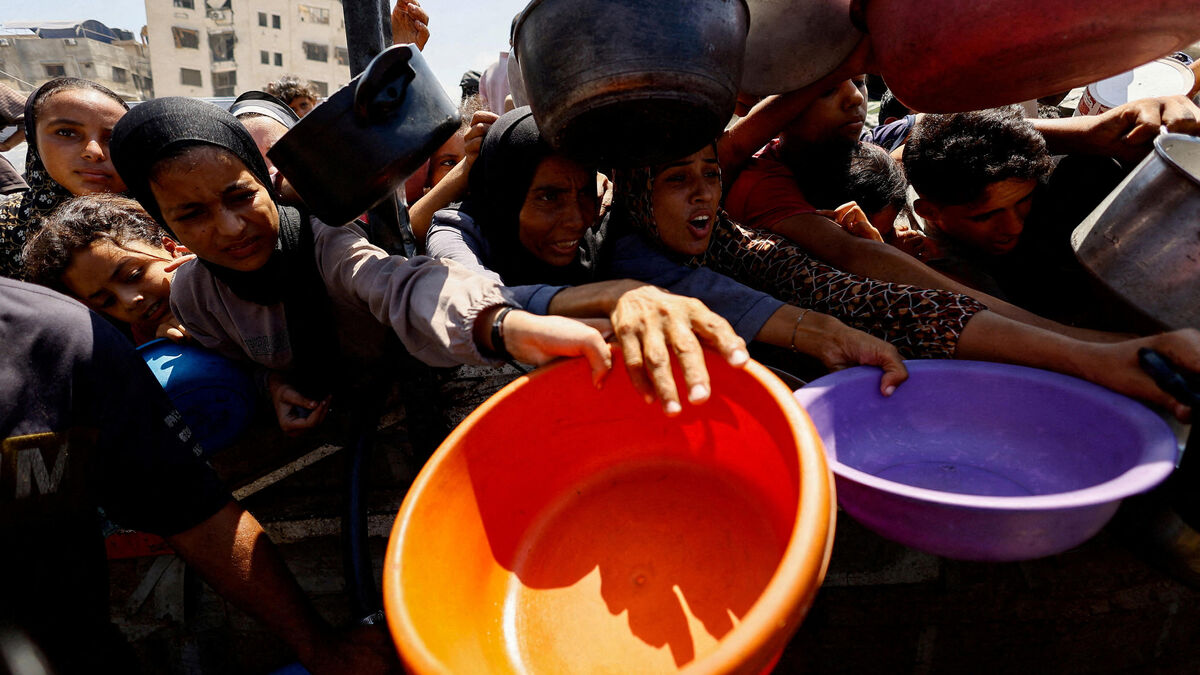
Two United Nations agencies dedicated to food and agriculture issued a stark warning on Wednesday, indicating that millions more people worldwide could soon face starvation or famine-like conditions, a situation exacerbated by funding constraints.
A joint report from the Food and Agriculture Organization (FAO) and the World Food Programme (WFP) highlights the worsening state of acute food insecurity across 16 critical areas globally.
Among the most severely affected nations are Haiti, Mali, Palestine, South Sudan, Sudan, and Yemen. The report underscores that populations in these countries are confronting an “imminent risk of catastrophic famine.”
Grave concerns for Myanmar, Nigeria, and more
The situation in Afghanistan, the Democratic Republic of Congo, Myanmar, Nigeria, Somalia, and Syria is also classified as “very concerning.” Other critical zones identified include Burkina Faso, Chad, Kenya, and the Rohingya refugee situation in Bangladesh.
In a joint statement, the Rome-based FAO and WFP noted, “Conflicts, economic shocks, extreme weather events, and critically insufficient funding are exacerbating already disastrous conditions.”
“We are on the brink of a completely avoidable food catastrophe that threatens to cause widespread famine in many countries,” warned Cindy McCain, Executive Director of the WFP, as quoted in the statement. She added that “failure to act now will only deepen instability.”
Humanitarian aid at a breaking point
The report also sounds the alarm on “dangerously insufficient” humanitarian aid funding. It specifies that of the $29 billion required to assist vulnerable populations, only $10.5 billion has been secured. This shortfall is pushing food assistance, particularly for refugees, “to the brink of collapse.”
The WFP confirmed it has already scaled back its support for refugees and displaced persons due to budget cuts and has been forced to suspend school feeding programs in several nations.
For its part, the FAO cautioned that efforts to safeguard agricultural livelihoods are in jeopardy. The agency stressed the urgent need for funding to provide seeds and animal health services.
“Famine prevention is not just a moral duty—it is a wise investment for long-term peace and stability,” stated FAO Director-General Qu Dongyu.