
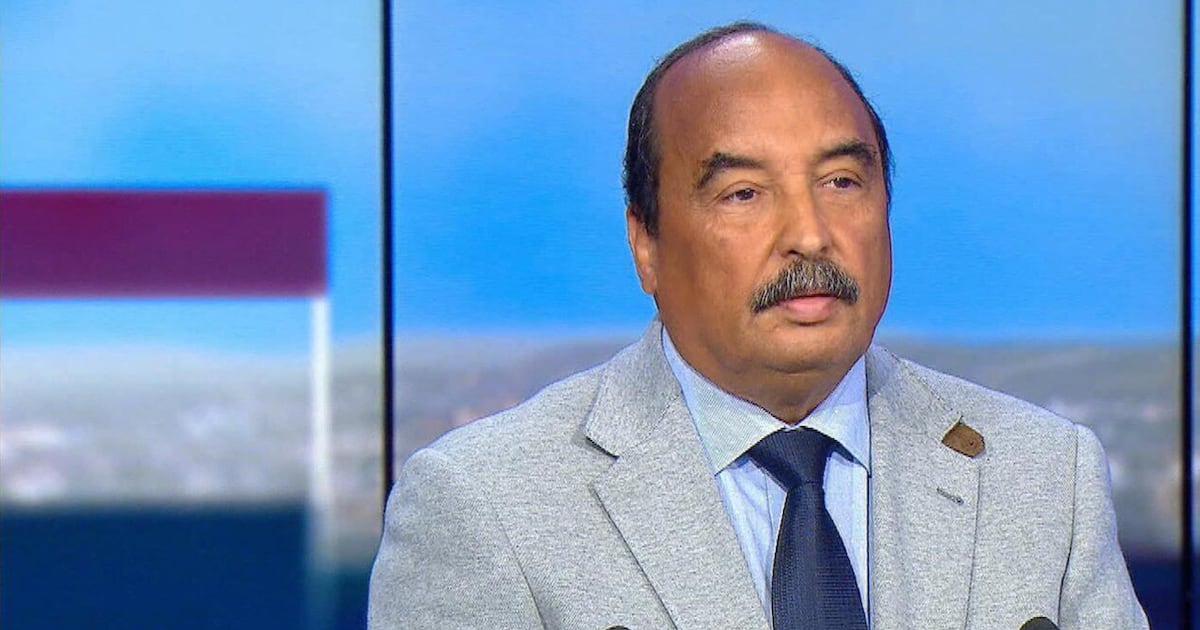
The Supreme Court has delivered a landmark verdict in Mauritania, partially overturning the Appeals Court ruling in Nouakchott while upholding critical charges of illicit enrichment and money laundering. The court dismissed allegations of abuse of power and influence peddling, yet maintained the original prison sentence of 15 years handed down on appeal.
With the judicial process nearing its conclusion, speculation is growing about a potential presidential pardon. Local stakeholders and international partners may play a role in shaping the final outcome, as civil society groups weigh in on the implications of the decision.
legal nuances and ongoing debates
According to maître Lô Gourmo, defense attorney within the state’s civil collective, the Supreme Court’s ruling represents a mixed verdict. While it struck down two key charges—abuse of power and influence peddling—the court preserved the core allegations of illicit enrichment and money laundering, which underpin the 15-year sentence.
Gourmo emphasized that a conviction on the dismissed charges would have triggered constitutional mechanisms, including the potential reinstatement of the defendant’s official functions—a scenario already preempted by the Constitutional Council.
calling for broader accountability
Mohamed Mahmoud Tolba, a representative of Mauritania Transparency, underscored the organization’s stance, stating that the trial fell short of addressing systemic corruption. «We anticipated a broader investigation that would encompass all individuals implicated in the embezzlement of public assets. Numerous officials were involved in these malpractices, yet only Aziz’s case was brought to trial,» he remarked. Tolba expressed cautious optimism, hoping the proceedings would mark a turning point in the country’s governance, despite its limitations.