
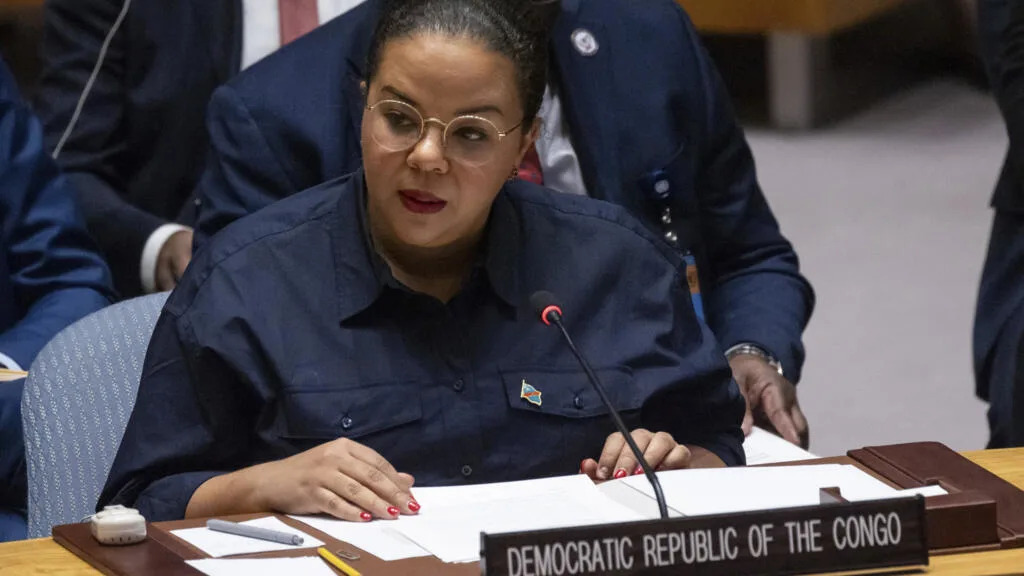
The Democratic Republic of Congo (DRC) has once again brought the issue of natural resources and armed conflicts to the forefront at the United Nations. During a session at the Security Council, Foreign Minister Thérèse Kayikwamba Wagner emphasized that the goal is not to impose new international obligations but to strengthen existing mechanisms, particularly in traceability, sanctions, and governance.
The Congolese minister clarified that the discussion aimed to enhance, not overhaul, the current framework. The proposal does not seek to create a global mining code or undermine the sovereignty of nations over their own natural wealth.
France reiterated its stance by advocating for the enforcement of Resolution 2773, which addresses the situation in eastern DRC. The French delegation highlighted concerns over the M23’s control of 15 to 30% of the world’s coltan production in Rubaya, calling for stricter traceability and sanctions.
Global powers clash over natural resource governance
The United States prioritized securing supply chains for critical minerals and the investments driving this sector forward.
China, on the other hand, defended state sovereignty and cautioned against politicizing the debate surrounding natural resources.
Russia took a more assertive stance, rejecting the notion that a regulatory gap exists. It argued that conflicts stem primarily from political instability and external interference rather than a lack of international rules.
These exchanges underscored the stark divides among major powers regarding the global governance of natural resources and their role in fueling armed conflicts.