
United Nations Slaps New Sanctions on DRC Rebel Leaders
The United Nations Security Council’s Sanctions Committee, established under Resolution 1533 (2004) concerning the Democratic Republic of Congo (DRC), has imposed fresh sanctions on six individuals and two entities linked to armed groups destabilizing the eastern DRC. The announcement, made via a UN communiqué on July 16, 2026, targets key figures accused of fueling violence and undermining regional stability.
Who Are the Sanctioned Figures?
The sanctions list includes prominent leaders accused of orchestrating attacks against civilians and fostering insecurity in the mineral-rich eastern provinces:
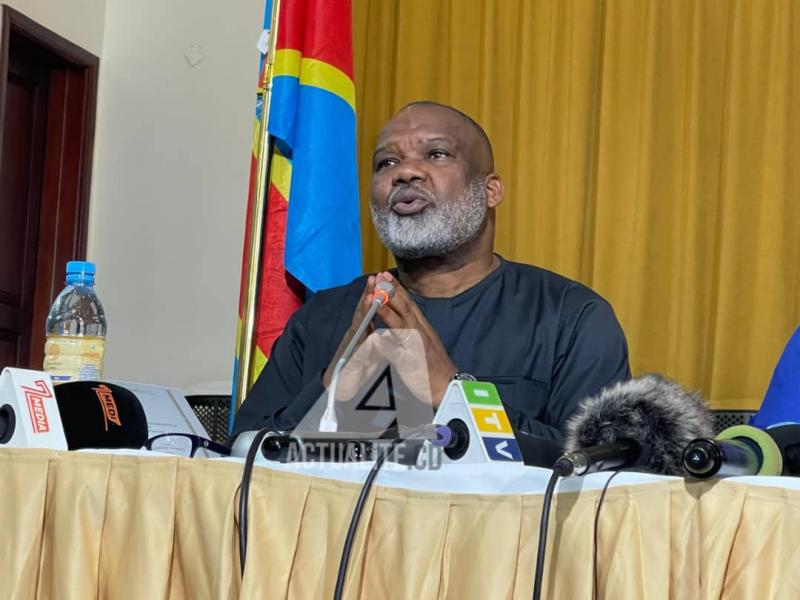
- Corneille Nangaa, identified as the head of the Allied Forces of Congo (AFC/M23). Already under prior UN sanctions, Nangaa faces renewed restrictions for his continued role in commanding a rebel faction responsible for widespread human rights abuses.
- John Imani Nzenze, a colonel designated as the M23’s intelligence chief. He is accused of coordinating military operations and supporting rebel activities that have displaced thousands in North Kivu.
- Sébastien Uwimbabazi, a brigade general with the Democratic Forces for the Liberation of Rwanda (FDLR). Operating from Rutshuru, he is linked to systematic attacks on civilians, including kidnappings for ransom and illegal exploitation of natural resources.
- Gustave Kubwayo, also known as “Sirkoof,” commands the FDLR-FOCA faction and oversees the Commando for Research and Deep Action (CRAP). His forces are notorious for targeting civilians and engaging in cross-border raids.
- Muhammed Lumisa, a commander and logistics coordinator for the Allied Democratic Forces (ADF)—an Uganda-based militant group active in eastern DRC. He faces sanctions for his role in sustaining the group’s insurgency through funding and arms trafficking.
- Charles Sematama, military leader of the Twirwaneho group, operating in South Kivu’s Highlands. Since the group’s formation in 2008–2010, Sematama has been implicated in attacks on local communities, including looting and forced displacements.
Entities Targeted by the Sanctions
The UN has also blacklisted two entities:
- The Allied Forces of Congo (AFC), founded in 2023 as the political and military wing of the M23 rebellion.
- The Twirwaneho group, a militia active in South Kivu, known for its brutal tactics against civilians.
Consequences of the Sanctions
The measures impose a freeze on assets, a travel ban, and an arms embargo against the listed individuals and entities. These restrictions aim to curtail their ability to finance and sustain their operations, which have contributed to the ongoing humanitarian crisis in eastern DRC.
The decision comes amid escalating violence in provinces like North Kivu and South Kivu, where armed factions continue to clash with government forces and allied militias. The UN’s move reflects growing international pressure to address the root causes of instability in the region, including illegal resource extraction and cross-border insurgencies.
The sanctions underscore the international community’s commitment to holding accountable those responsible for perpetuating conflict in the DRC, where decades of turmoil have left millions displaced and dependent on humanitarian aid.
Broader Implications for the DRC
This latest round of sanctions arrives as the DRC grapples with multiple security challenges, including:
- Persistent clashes between the Congolese army (FARDC) and rebel groups like the M23 and ADF.
- Humanitarian crises triggered by displacement, with over 5 million internally displaced persons (IDPs) across the country.
- Economic disruptions in eastern provinces, where insecurity has hampered mining operations and agricultural productivity.
While the sanctions are a step toward accountability, their effectiveness will depend on robust enforcement by regional and international partners. The DRC government has repeatedly called for stronger measures to combat armed groups and restore stability, particularly in mineral-rich areas where illegal mining funds insurgencies.
Photo caption: Corneille Nangaa addressing the press in Goma, North Kivu.