
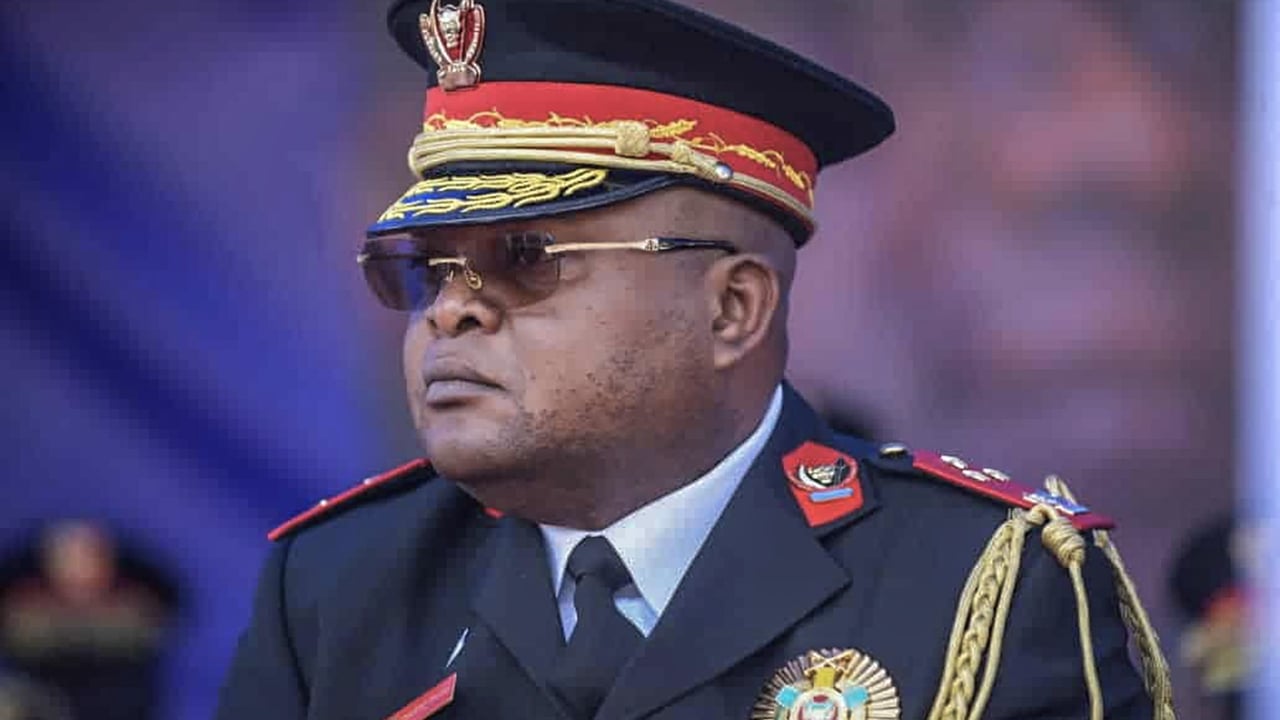
The Democratic Republic of Congo is currently witnessing an extraordinary judicial process that has captured national attention. The trial, unprecedented in its scale and complexity, involves high-ranking military and political figures whose actions have long been shrouded in controversy. At the center of this legal drama is General Christian Tshiwewe Songesa, a former Chief of Staff of the Armed Forces under President Félix Tshisekedi’s administration.
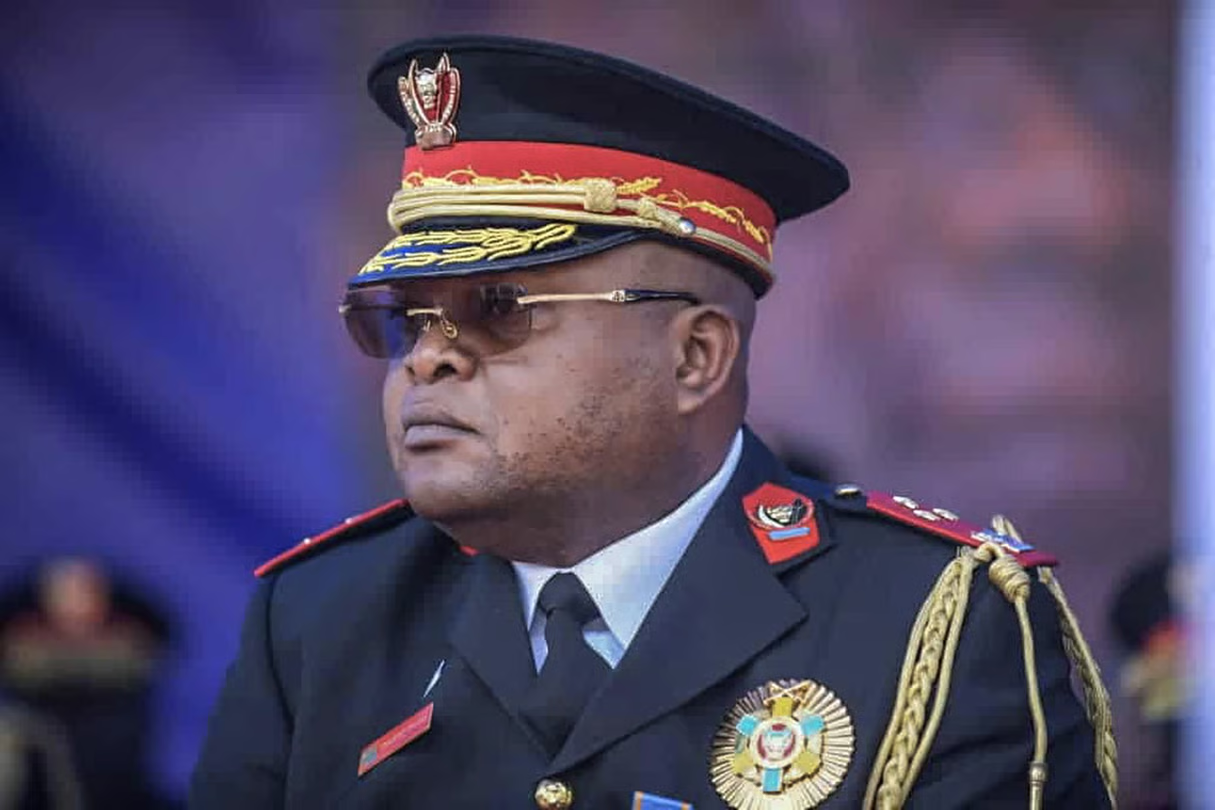
Why this trial is being closely monitored
This case has become a focal point for both local and international observers due to its potential implications for the country’s political stability. The proceedings are unfolding against a backdrop of heightened scrutiny, with allegations of past misconduct and abuse of power under the previous administration still fresh in the public consciousness. The involvement of figures like General Songesa, a key military leader during the tenure of former President Joseph Kabila, adds significant weight to the proceedings.
Key figures and their roles in the trial
The trial has brought together several prominent personalities whose careers have intersected at critical junctures in the country’s history. Among them:
- General Christian Tshiwewe Songesa: Former Chief of Staff of the Armed Forces, his role during the Kabila administration is under intense examination. His actions during that period are being scrutinized for possible violations of military and civil protocol.
- President Félix Tshisekedi: While not directly implicated, his administration’s handling of the case is being watched closely. The trial’s outcomes could influence his political agenda and public perception.
- Former President Joseph Kabila: Though not present in court, his legacy looms large over the proceedings. Many of the allegations relate to policies and practices from his time in office.
What’s at stake for the Democratic Republic of Congo
The trial is more than a legal proceeding; it represents a pivotal moment for the nation. Should the court deliver a verdict that challenges the status quo, it could reshape the political landscape and redefine accountability in Congolese governance. The international community is also paying close attention, as the trial’s conclusions may set precedents for how similar cases are handled in the future.
As the trial progresses, the Democratic Republic of Congo stands at a crossroads. The decisions made in these courtrooms will echo far beyond the legal system, influencing the nation’s trajectory for years to come.