
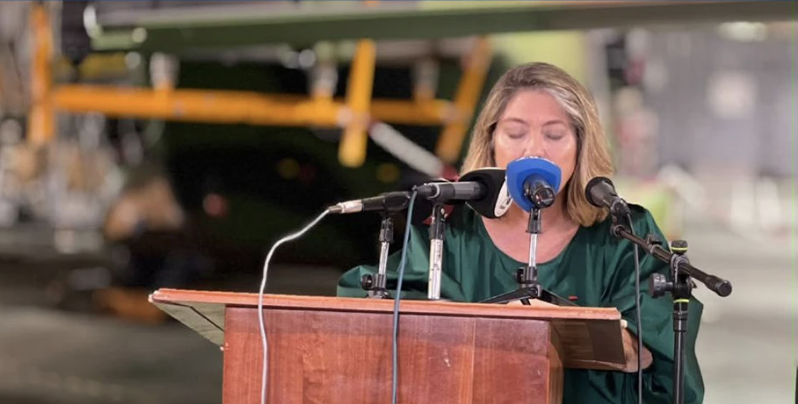
The docking of France’s Mistral helicopter carrier in Dakar wasn’t merely a routine naval visit—it was a calculated demonstration of evolving security priorities. Ambassador Christine Fages’ remarks during the October 2026 stopover framed the event as more than symbolic diplomacy; it marked what she described as a purposeful recalibration of military relations between Senegal and France.
The escorting vessel’s presence underscored a broader continental trend: African nations are increasingly reassessing their defense partnerships against a backdrop of shifting geopolitical sands. Fages emphasized that this visit signaled a strategic realignment rather than a superficial enhancement of cooperation between Dakar and Paris.
The unspoken drivers behind the Senegal-France defense reset
Beneath the ceremony lay three critical developments shaping this new chapter:
- Security vacuum in the Sahel: The volatile conditions across the neighboring Sahel region have compelled both nations to reconsider their defense collaboration, particularly concerning counterterrorism and maritime security.
- Changing power dynamics: With competing international actors expanding influence in West Africa, Senegal seeks to diversify its partnerships while maintaining robust French ties.
- Doctrinal evolution: Fages’ emphasis on a “reconstructed” partnership suggests a shift from transactional security agreements toward more integrated defense frameworks.
From symbol to substance: what the Mistral’s visit actually entails
The helicopter carrier’s capabilities extend beyond mere display:
- Maritime domain awareness exercises
- Joint training operations
- Humanitarian assistance protocols
- Equipment familiarization for Senegalese forces
The visit’s timing aligns with joint efforts to establish a regional maritime security architecture in West Africa. While specific Senegalese units involved remain undisclosed, the operational focus clearly targets enhanced interoperability between the two militaries.
Regional implications: why this matters beyond Dakar and Paris
The Mistral’s port call occurs amid a broader continental reassessment of traditional military partnerships. Key considerations include:
- How this renewed engagement fits into Senegal’s broader defense posture
- The potential domino effect on other West African nations’ security arrangements
- The reflection of France’s evolving role in African security operations
What remains intriguing is the unspoken question: How will this “reconstructed partnership” address the persistent security challenges facing both nations while navigating the complexities of regional autonomy?
Looking ahead: the next phase of military cooperation
While the ambassador’s statements provide a vision of strengthened ties, concrete deliverables remain forthcoming. The Mistral’s presence suggests imminent initiatives including:
Note: Details regarding specific agreements were not disclosed during the ambassadorial briefing.
The evolving language—moving from “renewed” to “reconstructed” cooperation—points toward substantive changes in how both nations approach their military relationship. Whether this translates into tangible security outcomes will depend on subsequent diplomatic steps and operational commitments.