
Unpacking the significance of the French amphibious ship’s arrival in Dakar shows how military cooperation evolves beyond permanent bases.
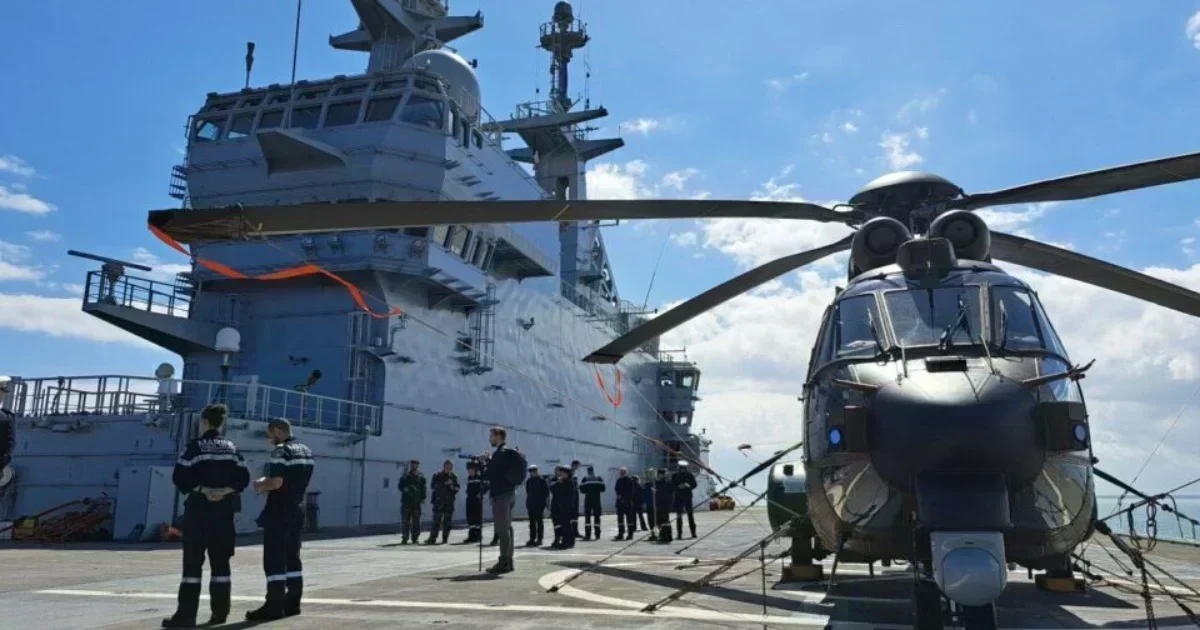
The Mistral amphibious assault ship arrived in Dakar on October 2, 2026, marking a pivotal moment in military cooperation between France and Senegal. Over five days, French and Senegalese armed forces conducted joint drills not out of courtesy, but with clear operational goals: enhancing battlefield coordination, interoperability at sea, and exchanging expertise. This visit comes more than a year after France completed the handover of its last permanent military base in the country, signaling a new chapter in bilateral defense collaboration.
Five days of structured cooperation between armies
The Mistral is no ordinary vessel—it functions as a floating command center capable of deploying helicopters, armored vehicles, and combat troops across combined arms operations. Its presence in Dakar underscores how both nations are leveraging temporary deployments to maintain and deepen defense ties. During the visit, scheduled activities spanned tactical training, logistical coordination, and joint planning sessions, all aimed at strengthening crisis response capabilities.
The exercises extended beyond Dakar’s port. Senegalese and French units conducted joint movements between the capital and the Mont-Rolland training center in Thiès, a key facility for tactical drills and troop readiness that hosted a significant portion of the terrestrial exercises.
Naval drills and institutional exchanges drive operational readiness
Maritime maneuvers and coastal security drills
A dedicated naval exercise took place off Senegal’s coast, designed to test the two navies’ ability to coordinate vessel deployments, air support, and maritime surveillance in a simulated crisis environment. These drills are critical in a region where illegal fishing, arms trafficking, and maritime piracy remain persistent threats. By practicing joint interventions, the forces sharpen their ability to respond rapidly to emerging maritime challenges.
Academic and professional development components
The program also included knowledge-sharing forums with Senegal’s military health service, war college, and general staff school. Officers from both countries engaged in reciprocal visits to operational centers, offering unprecedented insight into each other’s command structures, decision-making processes, and training philosophies. These exchanges are not just symbolic—they build mutual trust and operational alignment over time.
Since the formal transfer of French military installations to Senegalese authorities in July 2025, France no longer maintains a permanent presence in the country. Yet this visit demonstrates that cooperation continues through structured, high-impact engagements. Both countries emphasize a more balanced partnership—one rooted in shared objectives rather than dependency on foreign bases.