
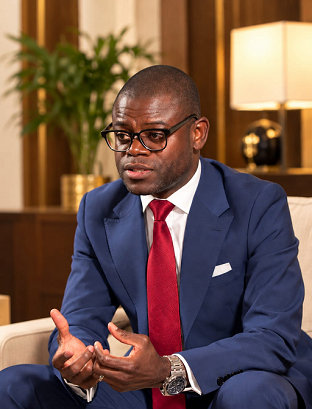
Kinshasa, October 2026 — The national dialogue initiated by President Félix Tshisekedi is far more than a political announcement—it reflects deep structural challenges in the Democratic Republic of Congo (DRC). The strategic framing of this process, as analyzed by international legal experts, reveals how its outcomes will hinge not just on participation but on the constitutional boundaries that define its authority.
Why this dialogue isn’t just another political event
The DR Congo’s national dialogue is positioned as a structured negotiation platform, not an alternative government or an extra-constitutional body. According to Me Ben Touere, a Paris-based lawyer specializing in public law, the initiative is designed to foster consensus on core national issues—but within a strict legal framework. His analysis underscores a critical principle: any legitimate outcome must be channeled through existing state institutions rather than bypassing them.
The core argument is clear: the dialogue’s role is consultative, not legislative or executive. Potential political recommendations emerging from the discussions—on reforms, governance, or social cohesion—will have no binding force unless formally adopted by constitutional organs such as:
- The Parliament (for legislative changes)
- The Government (for policy implementation)
- The Constitutional Court (for legal conformity)
- The electorate (via referendum when required)
This layered process reflects the DRC’s constitutional architecture, where sovereignty resides with the people and is exercised through elected representatives.
The legal safeguards preventing institutional drift
At the heart of the debate is a warning: no group—whether ruling party, opposition, or dialogue participants—can claim to hold sovereign power. “The people’s will cannot be appropriated through dialogue alone,” states Me Touere. The dialogue is framed as a tool to complement democratic institutions, not replace them.
In practice, this means:
- Negotiation, not legislation: Discussion outputs must be translated into formal bills or policies.
- Judicial oversight: All proposals are subject to constitutional review before implementation.
- People’s mandate: Any direct public consultation must follow electoral or referendum procedures.
This approach aims to prevent the dialogue from evolving into an unchecked parallel structure—one that could undermine state cohesion or delay reforms.
A model for balancing dialogue and institutional integrity
The DRC’s model mirrors successful transitions in other post-conflict states, where dialogue served as a pressure-release valve without eroding governance. The key difference here lies in the constitutional clarity of roles: the dialogue informs, but institutions decide.
By anchoring the process in legal accountability, the initiative seeks to achieve two goals:
- Stability: Preventing institutional fragmentation through transparent pathways for reform.
- Legitimacy: Ensuring all outcomes reflect the rule of law, not ad-hoc political compromises.
The overarching goal? To reinforce the state—not dilute it—through structured, accountable engagement.
What this means for Congolese stakeholders
For citizens, the dialogue represents an opportunity to voice grievances within a recognized framework. For political actors, it’s a test of whether conflict resolution can coexist with institutional preservation. The success of the process will ultimately be measured not by the volume of discussions, but by how seamlessly proposals transition into constitutional action.
As the dialogue unfolds, one question looms: will this mechanism become a bridge between divides, or a cautionary tale of good intentions gone unchecked?