
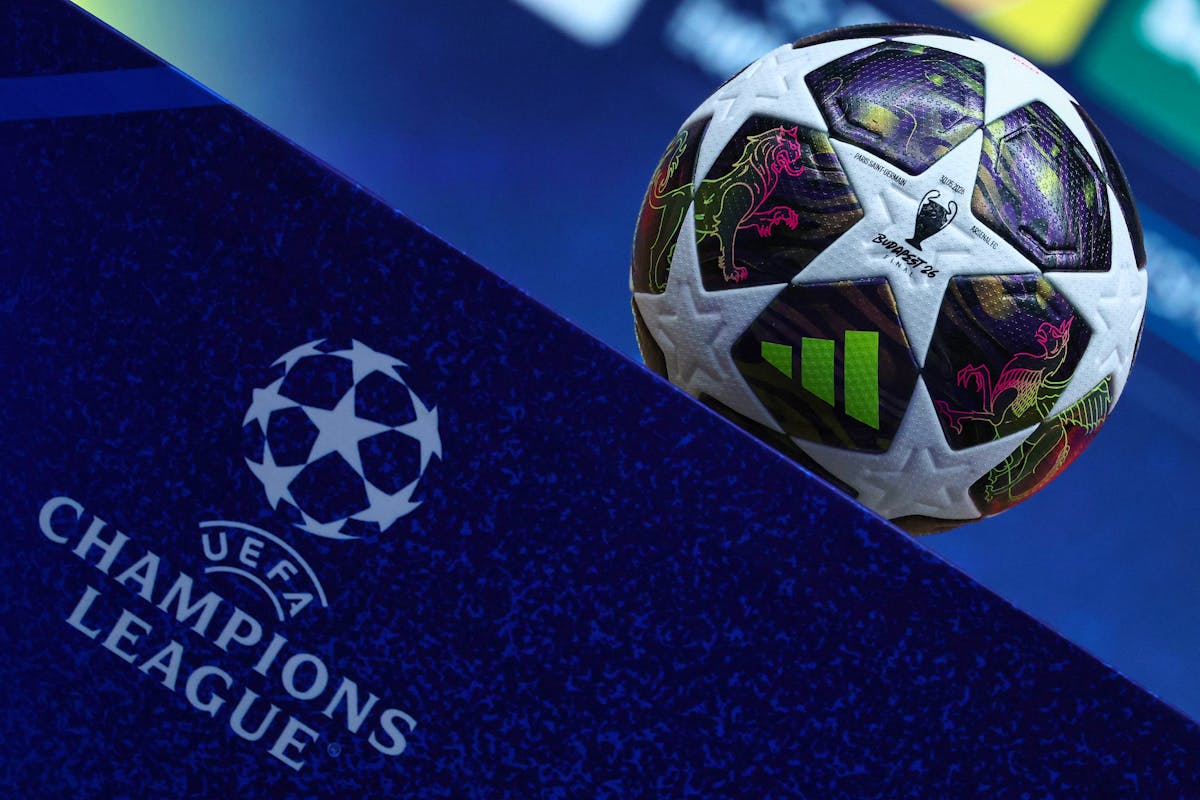
The final showdown of the UEFA Champions League, featuring Paris Saint-Germain and Arsenal, will kick off at an unconventional 6 PM this Saturday in Budapest. Unlike previous years when matches began at 9 PM, this adjustment marks a strategic shift by European football’s governing body to enhance the experience for teams, fans, and broadcasters alike.
The decision, announced late last August, introduces a permanent change to the tournament’s scheduling, with implications for every future Champions League final. While the move may have initially flown under the radar, its effects will resonate across the globe.

Why the new 6 PM kick-off time?
The primary motivation behind the 6 PM start is to streamline operations for participating clubs and host cities. A mid-afternoon match allows players to wrap up the evening earlier, reducing travel fatigue and fatigue-related injuries after a grueling season. Organizers will also benefit from smoother crowd management, as supporters and staff can exit the stadium and local transit systems more efficiently.
Boosting local economy and fan experience
The UEFA has also emphasized the positive impact on local businesses in the host city. A 6 PM match gives spectators more time to celebrate in restaurants, bars, and public spaces, extending the economic benefits of the event. Families and younger fans across Europe will also appreciate the earlier start, avoiding late-night screenings that disrupt routines.
For football enthusiasts in Asia—a rapidly growing market for European football—the shift to 6 PM is especially significant. Previously, supporters in the region had to wake up in the middle of the night to catch the final live. The new timing aligns better with prime viewing hours, making the tournament more accessible and engaging for millions of fans.
Media and broadcast advantages
Television networks and digital platforms stand to gain as well. A 6 PM kick-off provides a longer window for post-match analysis, interviews, and commentary, enriching the overall broadcast experience. It also creates opportunities for extended pre-match coverage, giving analysts and pundits more time to dissect tactics and storylines.
The move reflects UEFA’s broader strategy to modernize the Champions League, balancing tradition with practicality. As the tournament continues to expand its global footprint, adjustments like this ensure that every stakeholder—from players to fans—benefits from the experience.