
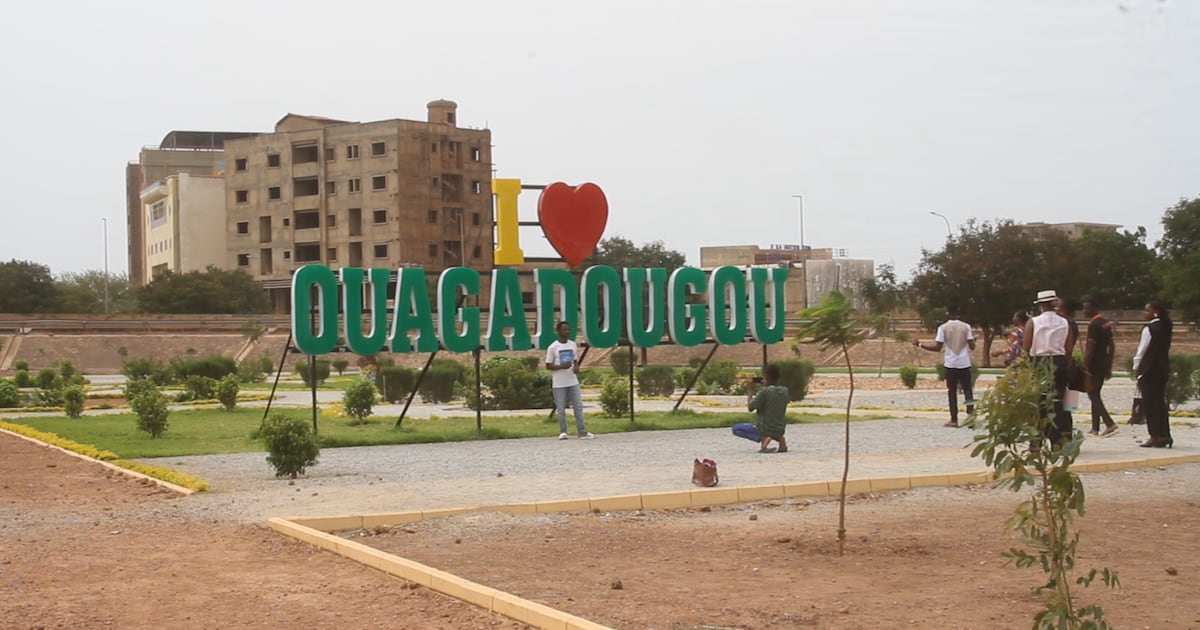
Burkina Faso is rolling out an ambitious urban greening initiative to combat scorching temperatures and relentless dust storms in its cities. The national landscaping program aims to create 80 green spaces, adorn 60 roundabouts with vibrant flora, and develop 65 kilometers of tree-lined roadways. These transformative projects are reshaping the urban landscape, fostering harmony between city life and nature.
cooling cities through nature’s embrace
In many bustling Burkinabè cities, residents often contend with oppressive heat, choking dust, and a lack of relaxing outdoor areas. Initiatives like the newly developed green space at the base of Ouagadougou’s Ouaga 2000 interchange are poised to change that—enhancing livability for locals and visitors alike.
Dr. Ines Bationo, a Burkinabè expatriate who recently returned from Senegal for a visit, shared her enthusiasm: “I couldn’t contain my joy when I saw these spaces. As part of the diaspora, I’ve spent years away, but stepping into these green havens felt like coming home. Their beauty and tranquility are simply captivating.”
environmental and social benefits of urban greening
Urban greening does more than just beautify—it actively combats heat islands. Research confirms that strategically planted trees and green corridors can slash urban temperatures by up to 2°C, significantly reducing the health risks tied to extreme heat. Under forest cover, peak temperatures drop by an average of 4°C compared to open, sun-exposed areas.
Mahamadi Ouedraogo, a community leader in Burkina Faso, reflects on the transformation: “Before, these areas were barren and dusty—just red earth baking in the sun. Now, they’re cool, inviting microclimates. Even in our Sahelian climate, ecological awareness is growing, and green spaces are becoming essential.”
Beyond cooling, these green zones serve as vital social hubs—spaces for relaxation, community gatherings, and even tourism. Sidoine Nakanabo, a local resident, expressed her delight: “It’s wonderful to have a peaceful spot to unwind. It’s also boosting tourism and putting Burkina Faso on the map as a destination where nature and city coexist.”
sustaining green spaces for long-term impact
While planting trees is a critical first step, maintaining them over time is equally important. Lassané Sawadogo, a civil society advocate, emphasizes the need for sustainable funding: “After creating these spaces, we must establish clear access rules and revenue models. This will empower city councils and environmental ministries to maintain and expand these vital green lungs.”
The Burkina Faso government’s commitment to urban greening sends a powerful message: modern cities thrive not just on concrete and steel, but on shade, greenery, and breathing spaces where people can reconnect with nature.