
US to reinstate ambassador to Gabon amid strategic shifts
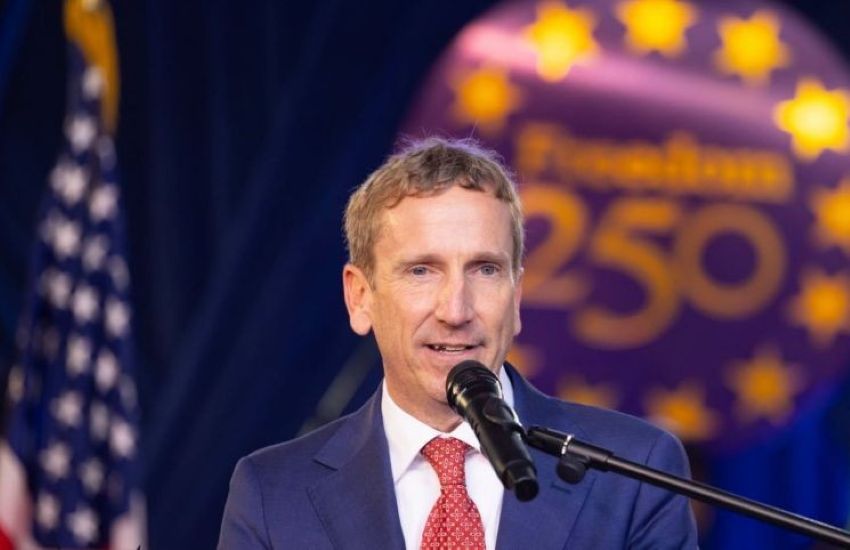
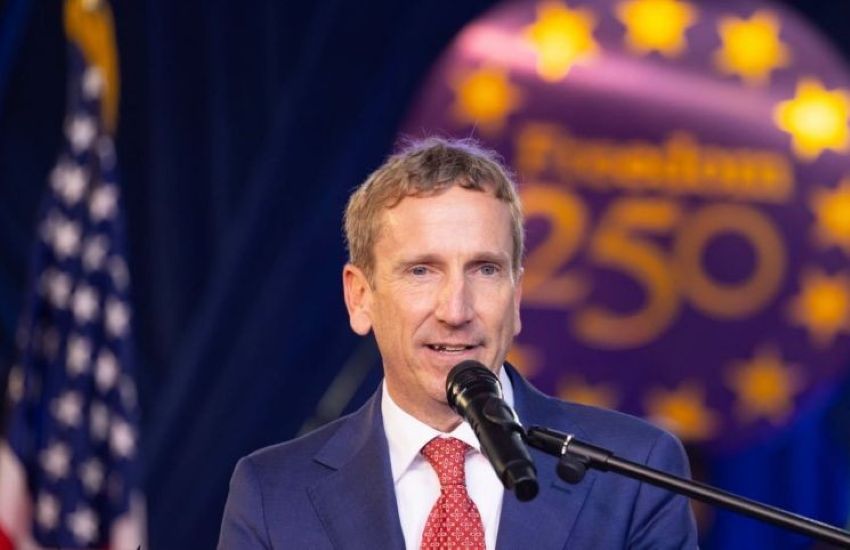
Libreville, August 13, 2026 — The United States is set to reinstate a full ambassadorial presence in Gabon, with career diplomat Keith Heffern nominated to lead the U.S. mission in Libreville. President Donald Trump’s administration has formally submitted Heffern’s candidacy to the U.S. Senate for confirmation, marking a potential end to the temporary diplomatic vacuum that has persisted since early 2026.
Heffern, a seasoned diplomat from the Senior Foreign Service with the rank of minister-counselor, brings extensive experience in African affairs. His proposed appointment signals Washington’s intent to prioritize Gabon within its broader strategic re-engagement across the continent. The Senate now holds the key to confirming his role, though the political climate suggests cautious optimism for approval.
The timing of this nomination is critical. Since January 2026, the U.S. mission in Libreville has been led by chargé d’affaires Susan N’Garnim. While effective in maintaining stability, the absence of a permanent ambassador has limited the depth of bilateral engagement at a moment when Gabon’s role in regional and global affairs is gaining prominence.
Washington’s strategic calculus for Gabon
Heffern’s potential appointment is not an isolated decision. It aligns with a broader wave of U.S. diplomatic nominations across Africa, including Chad (William Flens), Madagascar and Comoros (Marc Dillard), and Togo, Mauritania, Benin, Malawi, and Cabo Verde. This pattern reflects a deliberate shift toward reinvesting in diplomatic infrastructure, favoring career diplomats over political appointees to bolster operational effectiveness.
For Gabon, the implications are significant. The country’s strategic assets—rich mineral and energy reserves, a prime location along the Gulf of Guinea, and its central role in the Congo Basin—make it a focal point in Washington’s efforts to counterbalance growing influence from Beijing, Moscow, and Ankara. The Trump administration’s recent decision to reinstate Gabon under the African Growth and Opportunity Act (AGOA) in May 2026 further underscores the economic stakes in this relationship.
Diplomatic and economic stakes
The U.S.-Gabon relationship spans decades, encompassing trade, maritime security in the Gulf of Guinea, and wildlife conservation. A permanent ambassador would be poised to accelerate cooperation in these areas while supporting Libreville’s goals of diversifying partnerships and attracting investment. The confirmation of Heffern, if approved, could serve as a catalyst for deeper collaboration across sectors.
Yet challenges remain. The Senate confirmation process will determine whether Heffern’s leadership can translate into tangible progress. For Gabon, the opportunity lies in leveraging this renewed U.S. interest to strengthen its international standing and economic resilience in a region where geopolitical competition is intensifying.
What’s next for Libreville and Washington?
Should the Senate confirm Heffern, Libreville will welcome an ambassador already familiar with the country’s diplomatic landscape. His return would signify more than a routine personnel change—it would symbolize Washington’s commitment to revitalizing its African strategy amid a crowded field of global actors.
The coming weeks will reveal whether this nomination marks a turning point in U.S.-Gabon relations. For now, the message from Washington is clear: Gabon is back on the map as a priority for American engagement in Africa.