
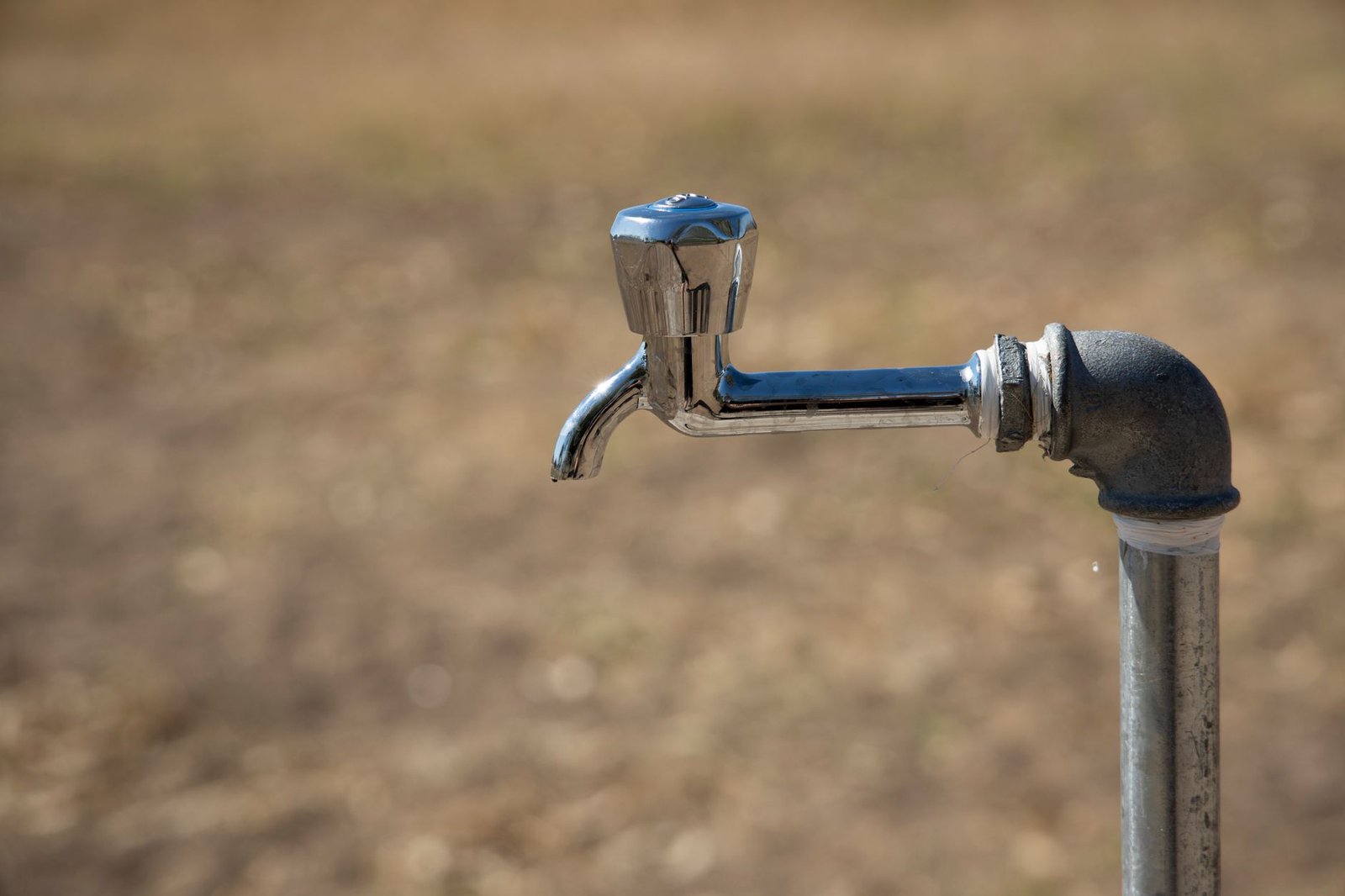
Libreville is grappling with a severe water shortage crisis, prompting authorities to declare a state of hydrological emergency across the capital and its surrounding areas. Residents have endured days without running water, forcing long queues at the few remaining distribution points. The scarcity has driven up prices for water sold in black markets across poorer neighborhoods, with the cost compared to a 10,000 CFA franc bill—a stark reflection of the growing frustration among the public.
The crisis stems from two critical factors. First, an unusually weak rainy season has drastically reduced water levels in reservoirs and intake points that supply the Greater Libreville area. Second, the aging infrastructure—decades old and plagued by inefficiencies—suffers from high leakage rates and underperforming treatment plants. These issues leave the system vulnerable to even minor disruptions, unable to meet the city’s demands.
aging infrastructure threatens Gabon’s water security
The water crisis in Libreville highlights systemic weaknesses in Gabon’s approach to managing essential services. Historically managed by the Société d’énergie et d’eau du Gabon (SEEG), water distribution has been marred by contract disputes and repeated state interventions, with no long-term investment strategy ever taking root. As the population of Greater Libreville—now exceeding 700,000—continues to swell, demand has outpaced supply. Each dry spell now triggers water rationing in peripheral neighborhoods, further straining public trust.
The ongoing political transition in Gabon, sparked by the August 2023 regime change, has placed this crisis at the forefront of national priorities. The government faces a narrow window to demonstrate tangible progress. The declared hydrological emergency allows for rapid deployment of public resources, equipment mobilization, and inter-ministerial coordination. However, sustainable solutions will only emerge if these measures are paired with a credible, multi-year investment program aimed at modernizing the sector.
social unrest grows as Libreville struggles with water shortages
On the ground, residents and authorities are improvising solutions. Government-owned water tankers, sporadic municipal distributions, private boreholes, and informal water sales have created a patchwork of temporary fixes. Businesses, hotels, and hospitals are also feeling the strain, with operational disruptions adding an invisible but real economic toll. Healthcare facilities, in particular, face heightened risks as water scarcity compromises hygiene standards and increases the threat of waterborne diseases.
Short-term measures announced by officials include expedited repairs at treatment plants, importation of new pumping equipment, and increased reliance on groundwater sources. Yet the financial burden of recovery remains daunting. Multilateral lenders such as the African Development Bank and the World Bank have previously funded major water projects in Greater Libreville. Their renewed support will likely depend on clear governance reforms and a defined role for the incumbent operator.
a regional wake-up call on water resilience
Libreville’s crisis is not an isolated case. Similar water stress is affecting major capitals across Central and West Africa, including Kinshasa, Brazzaville, Douala, and Abidjan. These cities face recurring shortages due to rapid population growth, underinvestment, and increasingly erratic weather patterns. For Gabon—a country once viewed as water-rich thanks to its dense rainforests—the current emergency serves as a sobering reminder of climate vulnerability.
Resolving the crisis will require three coordinated actions: upgrading existing infrastructure, expanding diversified water sources, and reforming the institutional framework governing public water services. With the political transition timeline pressing, swift execution is essential to prevent social unrest from undermining upcoming electoral processes. The combination of low rainfall and deteriorating facilities has pushed Libreville into uncharted territory, demanding urgent and decisive action.