
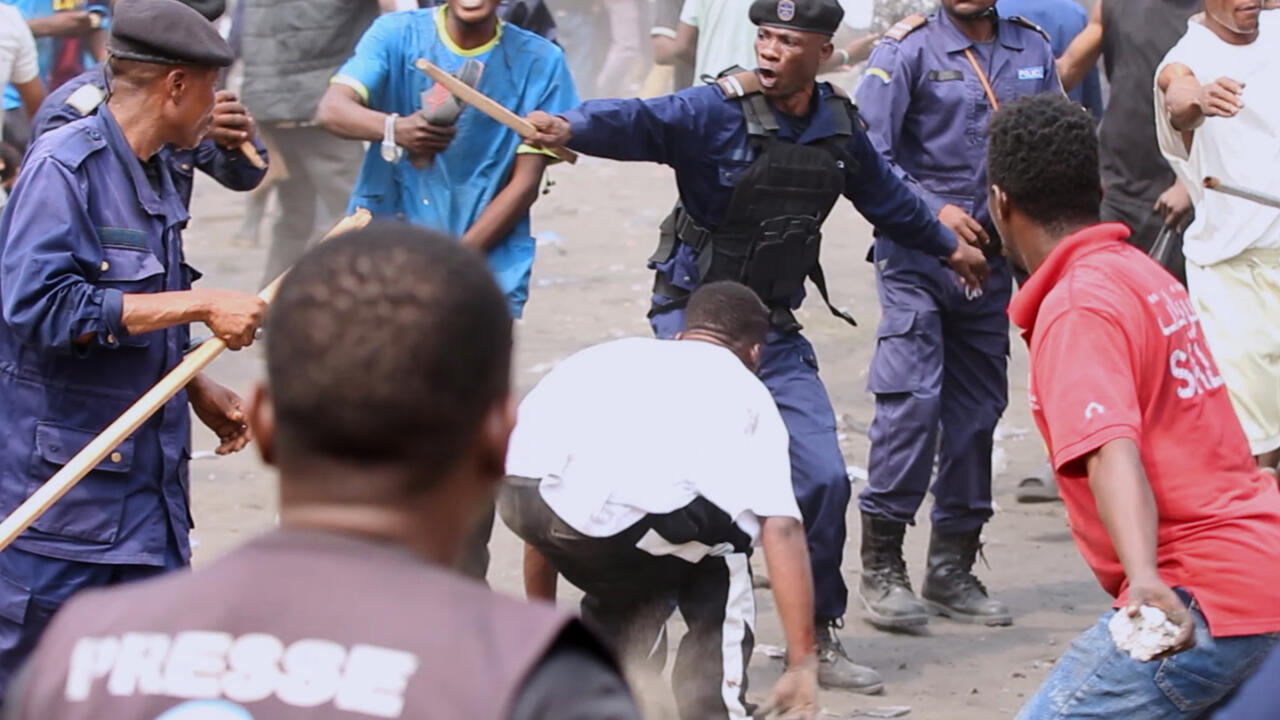
After months of persistent demands from opposition groups, President Félix Tshisekedi has finally signaled his willingness to initiate an inclusive national dialogue in the Democratic Republic of the Congo (DRC). The announcement followed a high-level meeting with religious leaders in Kinshasa, marking a significant shift in the government’s approach to addressing the country’s deepening political tensions.
From resistance to engagement: what prompted the president’s U-turn?
The Congolese leader’s decision to embrace this long-overdue initiative comes after sustained pressure from civil society, opposition coalitions, and international stakeholders. The C64 opposition platform, which had planned protests for July 22, agreed to postpone the demonstration, but set a firm deadline of August 15 for the president to formally launch the dialogue through a presidential decree.
While the government has not provided detailed explanations for this strategic pivot, analysts point to several converging factors. The escalating social unrest, economic hardships exacerbated by prolonged political uncertainty, and the looming threat of further constitutional crises appear to have forced the administration’s hand. Religious leaders, traditionally seen as neutral mediators in the DRC’s complex socio-political landscape, played a crucial role in brokering this compromise.
What does an ‘inclusive’ dialogue entail?
The proposed national dialogue promises to be comprehensive, though its implementation remains shrouded in ambiguity. President Tshisekedi must now take concrete steps to operationalize the initiative by issuing a formal decree, appointing facilitators, and establishing clear guidelines for participation. The mandate of these facilitators, the discussion framework, and the timeline for negotiations have yet to be defined.
Opposition groups, including the influential C64 coalition, have made their participation conditional on genuine inclusivity. The platform has emphasized that the dialogue must address core grievances, including electoral reforms, governance accountability, and the contentious issue of constitutional amendments that have sparked widespread controversy.
Can the August 15 deadline be met?
The opposition’s ultimatum presents a formidable challenge. While the government has expressed commitment to the process, translating words into action will require swift and decisive measures. Political observers question whether the administration can mobilize the necessary resources, political will, and stakeholder buy-in within the tight timeframe.
The success of the dialogue hinges on several critical factors: the president’s ability to appoint credible facilitators, the willingness of opposition groups to engage in good faith, and the inclusion of marginalized voices often sidelined in previous negotiations. The international community, particularly African regional bodies, has also signaled its readiness to support the process if genuine progress is demonstrated.
The coming weeks will be decisive. Will President Tshisekedi’s administration deliver on its promises, or will the country witness a repeat of past failed initiatives? The stakes could not be higher for the DRC, as the outcome of this dialogue could either stabilize the nation or plunge it deeper into crisis.
Bob Kabamba, political science professor at the University of Liège, weighs in on the implications of this unexpected development.