
Breaking point for Air Senegal: an Interpol-led smuggling inquiry exposes a hidden crisis
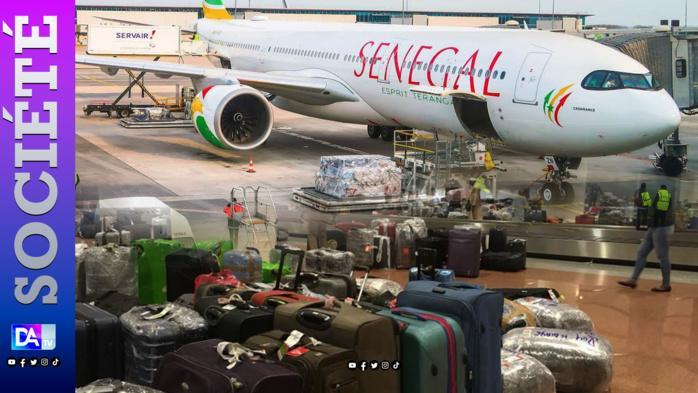
An Interpol investigation has thrust Air Senegal into the spotlight, uncovering what appears to be a deliberate smuggling operation involving flight crew members. This development marks a critical turning point for the airline, raising serious questions about internal oversight and the integrity of its operations. Authorities are now racing to determine the full scope of the alleged network, which may have operated undetected for years.
The probe gained momentum after an incident involving a flight attendant who, while transporting what was presented as a routine shipment of milk from Paris, made a shocking discovery. Upon opening the container, she found a substance later confirmed to be a controlled narcotic. Her subsequent attempts to trace the consignor led to a dead end, leaving investigators with more questions than answers.
From milk cartons to contraband: the suspicious chain of events
Investigators are meticulously reconstructing the smuggling operation, which allegedly involved transporting unconventional cargo aboard Air Senegal flights between Dakar and Paris. Among the items flagged by authorities are oversized luggage and vehicle bumpers, but the most alarming discovery was the hidden narcotics that surfaced during a routine cargo inspection.
The flight attendant’s decision to open the container—despite initial assurances from her colleagues that the item was harmless—uncovered a meticulously concealed operation. Sources close to the inquiry suggest that the smuggling ring may have relied on unsuspecting or complicit members of the crew to move illicit goods across international borders.
- High-risk assignments: Crew members assigned to the Dakar–Paris–Dakar route were reportedly tasked with transporting parcels without proper safety certifications, raising concerns about systemic lapses in security protocols.
- Incentivized participation: While financial motives are often cited in such cases, officials emphasize that the scale of the operation suggests a more organized network, possibly involving external entities.
Airline responds with decisive measures amid growing scrutiny
In the wake of the allegations, Air Senegal’s leadership has taken immediate action to contain the fallout. The airline confirmed that it has suspended affected crew members from the implicated route and is cooperating fully with the investigation. A spokesperson stated that the company is committed to rooting out any wrongdoing and restoring public trust.
However, the airline has pushed back against suggestions that financial hardship among staff might have driven the alleged misconduct. Company officials argue that the compensation packages for flight crew are competitive, implying that the motivations behind the smuggling operation extend beyond mere income supplementation.
Echoes of a troubling past: lessons from previous Air Senegal incidents
This is not the first time Air Senegal has faced allegations of smuggling involving its flight staff. A prior investigation uncovered a similar scheme in which 13 crew members were linked to the trafficking of goods originating from New York. The airline imposed temporary flight restrictions before reinstating the staff, but the recurrence of such incidents highlights persistent vulnerabilities within its operational framework.
The current probe, led by Interpol, underscores the need for a comprehensive overhaul of security measures. Authorities are particularly focused on identifying whether the smuggling activities were facilitated by loopholes in cargo handling or a lack of stringent vetting of crew members assigned to high-risk routes.
What’s next for Air Senegal?
The airline has pledged to await the outcome of the investigations before implementing any definitive sanctions. In the meantime, the Interpol-led inquiry continues to uncover new leads, with investigators exploring potential connections to broader criminal networks operating across West Africa and Europe.
For Air Senegal, this moment represents more than just a public relations crisis—it is a test of its ability to address systemic failures and rebuild its reputation. The airline’s response to these findings will determine whether it can emerge from this turmoil with renewed credibility or face lasting consequences.