
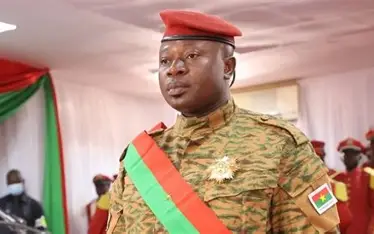
From Lomé to Ouagadougou: the fragile promises behind Damiba’s extradition
The judicial noose tightens around Paul-Henri Sandaogo Damiba in Burkina Faso, as the ousted leader faces terrorism charges that could reshape a high-stakes political saga. After fleeing to Togo in 2022, Damiba was extradited in January 2026 following assurances from Ouagadougou including a pledge to avoid the death penalty. But with Burkina Faso’s new penal code reintroducing capital punishment for terrorism-related crimes, those guarantees now hang by a thread.
What exactly is Damiba accused of and why does it matter now?
The accusations are severe: complicity in terrorist group associations, illegal firearm possession for terrorist purposes, and financing terrorism. While these charges remain allegations until proven in court, their timing amid Burkina Faso’s revived death penalty debate adds urgency to the debate over justice versus political retribution.
Damiba’s legal team argues that the accusations stem from his 2022 ouster by Ibrahim Traoré, raising concerns about a politically motivated prosecution. However, Burkina Faso’s judiciary insists the case follows due process, pointing to ongoing investigations and court proceedings.
Burkina Faso’s new penal code: a death penalty domino effect
October 2026 marked a turning point when Burkina Faso reinstated the death penalty for terrorism offenses. Since Damiba’s alleged crimes fall under this category, his potential sentence could be life-altering despite guarantees provided during his extradition.
Legal experts warn that retroactive application of harsher penalties may violate international human rights standards. The question lingers: Will Burkina Faso’s courts uphold the extradition conditions agreed upon with Togo, or will political tensions override judicial promises?
Diplomatic fallout: can Lomé trust Ouagadougou’s word?
Faure Gnassingbé’s government in Togo granted Damiba’s extradition based on specific assurances from Burkina Faso: fair trial rights, protection from inhuman treatment, and crucially no death penalty. But with Burkina Faso’s legal landscape shifting, Togo now faces a dilemma: How can it ensure these guarantees are honored?
Observers highlight that unmet assurances could damage Togo’s diplomatic credibility and set a dangerous precedent for future extradition requests in West Africa. The stakes extend beyond Damiba’s fate to the broader trust in regional judicial cooperation.
The political elephant in the room: Traoré vs. Damiba
The rivalry between Ibrahim Traoré and Paul-Henri Damiba dates back to 2022, when Traoré seized power in Burkina Faso. Critics argue that the current legal proceedings against Damiba may reflect lingering political animosity rather than impartial justice.
For Burkina Faso’s military government, prosecuting Damiba could be a way to legitimize its rule by demonstrating a hardline stance against terrorism. Yet, international observers stress that a fair trial must separate legal accountability from partisan score-settling.
What’s next for Damiba and for regional justice?
As Damiba remains in custody, the coming months will test Burkina Faso’s commitment to judicial transparency. Will the trial proceed with full due process, or will political calculations overshadow legal principles?
For Togo, the challenge lies in monitoring compliance with its extradition conditions. Failure to do so could erode trust in cross-border legal agreements and complicate future cooperation between African states.
The Damiba case ultimately asks a critical question: Can Africa’s judicial systems guarantee fair trials when death penalty threats and political rivalries collide? The answer will shape not only one man’s fate but the integrity of justice across the region.
By Henri Nkeng — Journalist