
analysis
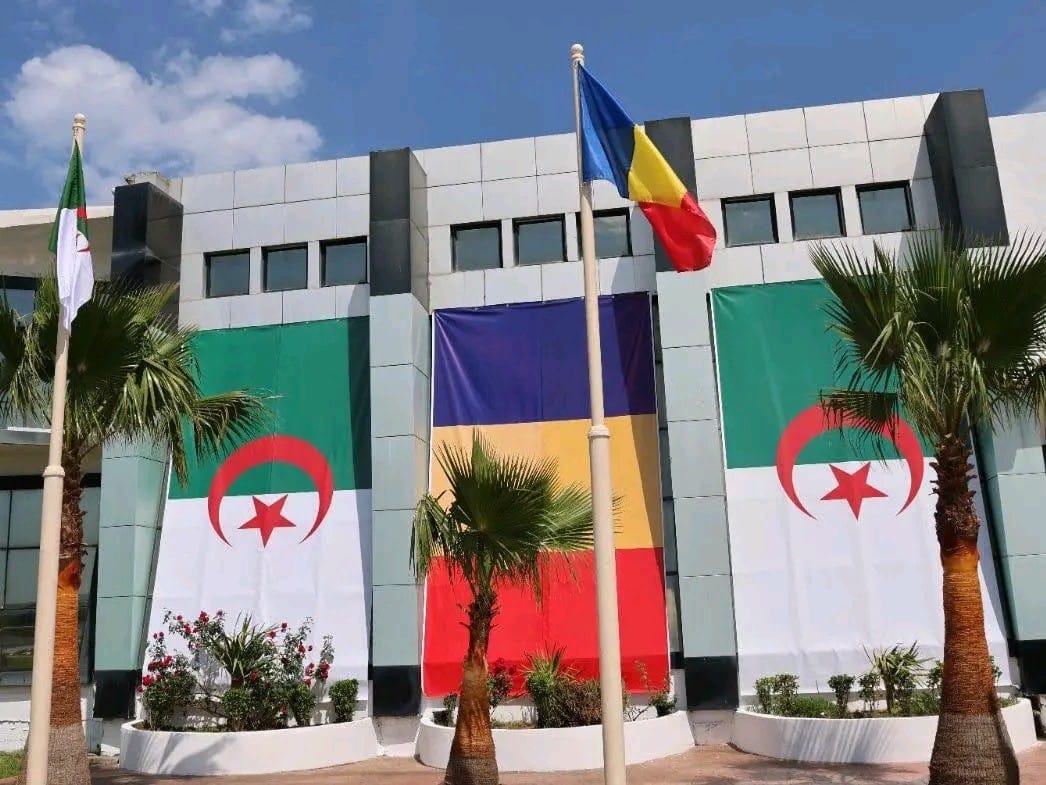
Algeria and Chad: strengthening ties through shared history and vision
For decades, Chad’s educated elite have looked back with pride on their university years in Algeria and the deep cultural bonds forged during that time.
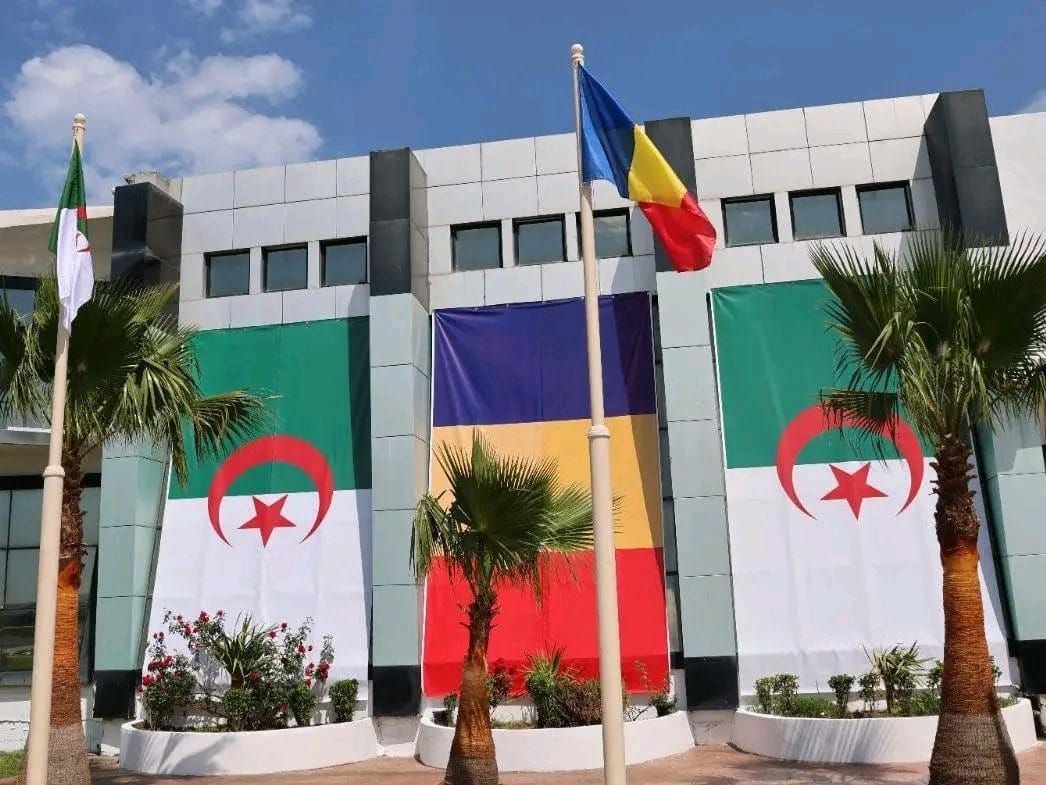
Relations between Algeria and Chad have evolved beyond transient interests into a robust partnership anchored in decades of cooperation, solidarity, and shared experiences. This bond carries immense strategic and human significance.
Diplomatic momentum and concrete cooperation
In recent years, Algeria and Chad have deepened their ties through high-level reciprocal visits and a shared commitment to strengthen political, economic, and security collaboration. This renewed engagement has materialized in multiple cooperation agreements covering transport, trade, vocational training, energy, and border security.
A landmark initiative is Algeria’s pledge to support the Trans-Saharan Highway project, designed to connect North Africa with sub-Saharan regions and provide Chad with vital Mediterranean access through Algerian territory. This corridor is expected to boost trade flows, ease movement of people and goods, and spur development in border and Saharan areas.
For Algeria, this cooperation aligns with its strategic goal of reinforcing its role in the Sahel and Central Africa. Chad, in turn, is diversifying its regional partnerships to reduce dependence on traditional geopolitical axes and explore new economic horizons.
A legacy of solidarity and human capital
The relationship between the two nations traces back to Chad’s independence in the 1960s, when Algeria played a pivotal role in supporting the young state. Through educational and capacity-building initiatives, Algeria helped shape Chad’s future leadership.
Since then, Algerian universities and training institutes have welcomed thousands of Chadian students, offering scholarships and academic programs in medicine, engineering, economics, law, political science, education, and public administration. At a time when newly independent African states urgently needed skilled professionals to build national institutions, this support was more than an act of solidarity—it was an investment in Chad’s long-term stability and growth.
Many graduates from Algerian institutions rose to become senior officials in government, military, academia, diplomacy, healthcare, and the private sector. Today, Chadian leaders still speak with pride about their education in Algeria and the lasting personal and cultural connections formed during those years. This shared history has fostered a people-to-people bond that transcends formal diplomatic relations.
Algeria’s post-independence African policy was rooted in solidarity, support for liberation movements, and human capital development. This approach earned Algeria a special place in the hearts of many African nations, including Chad.
Strategic foundations for shared challenges
As the Sahel and Central Africa face growing security, political, and economic challenges, the historic partnership between Algeria and Chad offers a stable platform for deeper collaboration. Key areas of mutual benefit include higher education, vocational training, security cooperation, economic development, and combating extremism and illegal migration.
Far from being a temporary alliance, the Algeria-Chad relationship is built on a foundation of shared history, mutual trust, and strategic vision—one that continues to shape the future of both nations.