
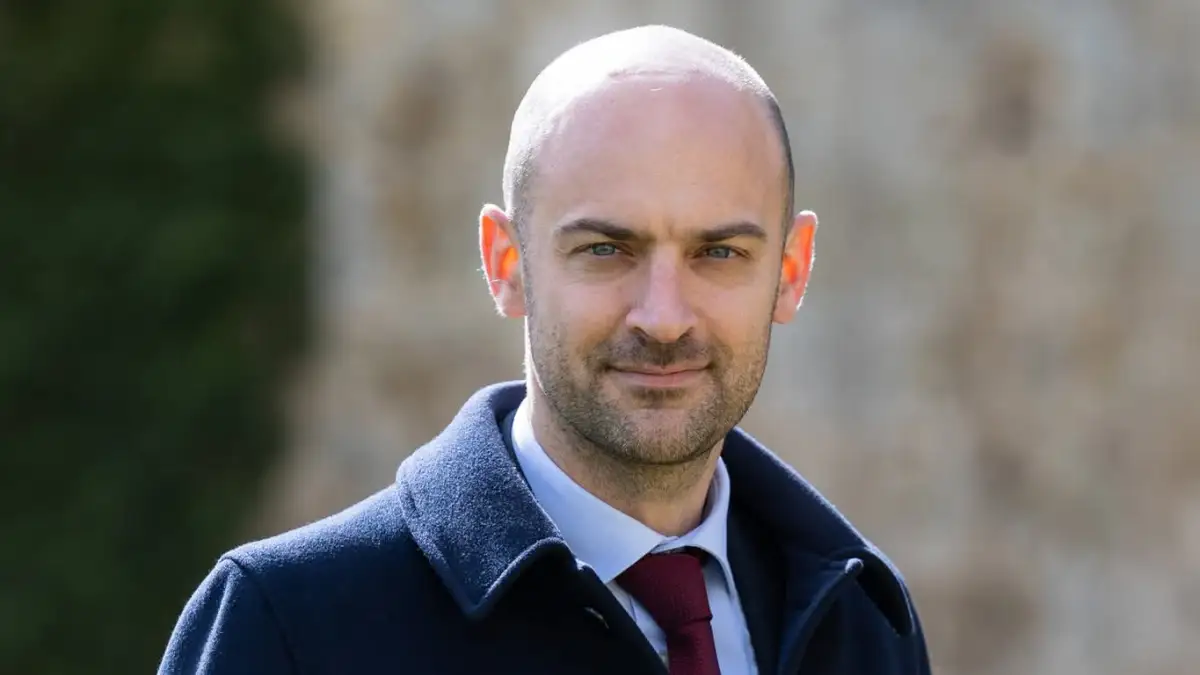
The French Minister for Europe and Foreign Affairs, Jean-Noël Barrot, announced on Saturday via the social media platform X that France will introduce a resolution at the United Nations Human Rights Council. The proposal aims to prohibit UN member states from criminalizing individuals based on their sexual orientation or gender identity.
This diplomatic initiative follows the enactment of a stringent anti-LGBTQ+ law in Senegal two months prior. The legislation, signed by President Bassirou Diomaye Faye, increases the maximum prison sentence for “unnatural acts” from five to ten years and raises fines tenfold to 10 million West African CFA francs. Additionally, the law introduces penalties for promoting, supporting, or financing homosexuality, bisexuality, and transgender identities.
Diplomatic efforts amid rising global conservatism
“You can rely on France: it will continue to advance the human rights agenda”, stated the French foreign minister, highlighting a growing conservative wave sweeping across multiple regions over the past decade. The announcement comes as France’s diplomatic engagement intensifies, particularly following the detention of a French national in Dakar under the new Senegalese law.
Senegal’s controversial legislation and international backlash
The bill, passed by Senegal’s National Assembly on March 11, 2026, with unanimous support, was signed into law on March 30. The law’s defenders, including Prime Minister Ousmane Sonko, frame it as a matter of national sovereignty. However, the move has drawn sharp criticism from international bodies. The UN High Commissioner for Human Rights, Volker Türk, had urged Senegal to reconsider, warning that the law violates the country’s international commitments. Similarly, France’s foreign ministry spokesman, Pascal Confavreux, expressed concerns on April 16, noting that Barrot had raised the issue with Senegal’s foreign minister, Cheikh Niang, during a meeting in Paris.
Legal repercussions for LGBTQ+ individuals in Senegal
Since February 14, a French citizen has been held in detention in Dakar under the new legislation. According to France’s foreign ministry, consular officials have visited the detainee on four occasions, maintaining contact with his family. On April 10, a Dakar court sentenced a Senegalese man born in 2002 to six years in prison for similar offenses.
Globally, 62 countries still criminalize consensual same-sex relationships, with eleven of them imposing the death penalty. The timing of France’s resolution at the UN Human Rights Council in Geneva has yet to be confirmed.