
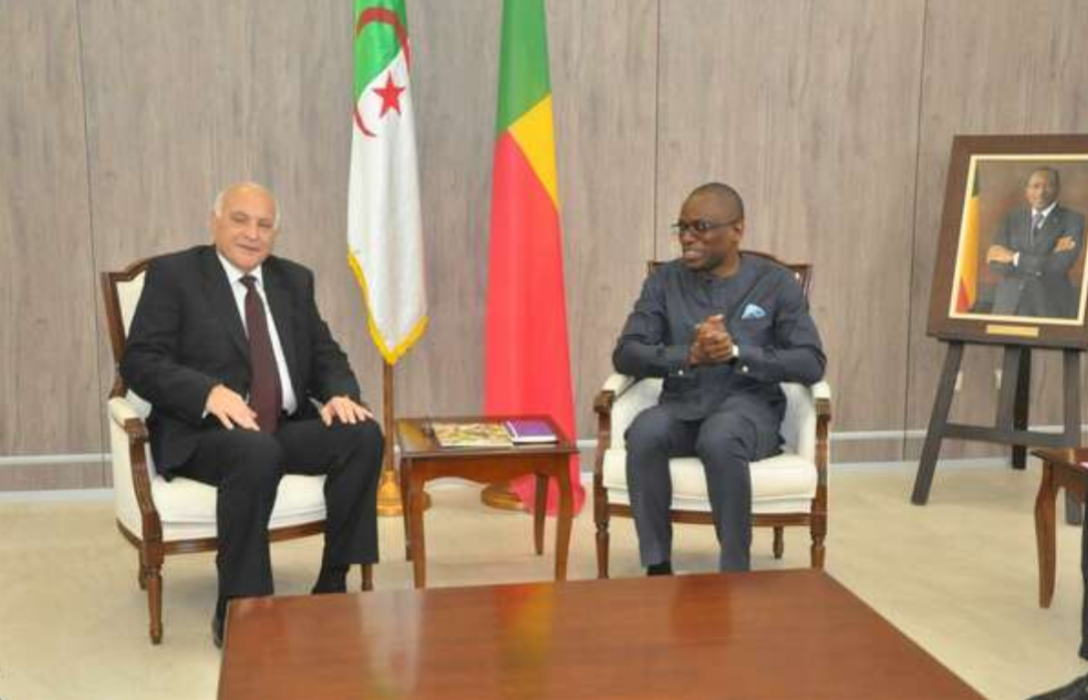
Cotonou Deal Room 2026 reveals Algeria’s strategic pivot in West Africa
The presence of an Algerian delegation at Benin Deal Room 2026—held in Cotonou from September 16 to 18—wasn’t just a symbolic gesture. It signaled a deliberate shift: Algeria is transitioning from viewing Africa as a distant market to engaging it as a core investment destination. Industry leaders from pharmaceuticals, energy, and public enterprises gathered not merely to explore trade opportunities but to forge alliances capable of reshaping West Africa’s economic landscape.
Yet beneath the optimism of multisector deals lies a glaring paradox. While Algeria seeks deeper economic integration, the very region it aims to engage remains fractured by closed borders. Nowhere is this contradiction more evident than in the persistent closure of the Niger-Benin frontier—a blockade that tests the true limits of South-South cooperation.
West Africa’s crossroads: where investment meets geopolitical friction
Cotonou’s transformation into a deal-making hub for over 20 high-value projects—valued between $2 and $3 billion—wasn’t just about numbers. The Benin Deal Room 2026 was designed to bridge funding gaps across agro-industry, manufacturing, logistics, and renewable energy. But the most compelling narrative emerged from Algeria’s participation. A multi-sector delegation, including executives from Saidal (pharmaceuticals) and Sonelgaz subsidiary SAIEG (energy), demonstrated how Algeria is converting political diplomacy into tangible economic influence.
The Algerian playbook: beyond exports to shared investments
The Algerian approach at Cotonou reflects a broader transformation in its African strategy. After decades of prioritizing security and diplomacy, Algeria is now focusing on creating production hubs, technology transfers, and integrated value chains. The pharmaceutical sector offers a prime example: Algerian know-how could support local manufacturing in West Africa, reducing reliance on imports from Europe or Asia. Meanwhile, Sonelgaz’s expertise in energy infrastructure—from grid expansion to solar solutions in the Sahel—could address chronic power shortages across the region.
Energy and infrastructure: Algeria’s hidden agendas in West Africa
Algeria’s economic ambitions in West Africa aren’t limited to conventional trade. The country is positioning itself as a gateway for regional infrastructure projects, most notably the Trans-Saharan Gas Pipeline. Scheduled to connect Nigeria to Europe via Niger and Algeria, this $13 billion initiative would unlock new energy corridors while boosting transit economies like Niger. Similarly, Sonatrach’s recent oil exploration in Niger’s Kafra block—launched in August 2026—signals Algeria’s intent to intertwine its resource industries with West African partners.
But these initiatives face an existential challenge: the closed Niger-Benin border. Despite deepening ties between Algiers and Niamey—including military support and energy deals—the economic benefits of Algeria’s projects remain stymied by the blockade. Goods bound for Niger from Cotonou must now navigate costly detours through Ghana or Burkina Faso, increasing prices and delaying timelines for critical projects like the gas pipeline.
The paradox of closed borders: when cooperation hits a wall
The Niger-Benin frontier closure, triggered by Niger’s 2023 coup, epitomizes a broader crisis in African integration. Despite bilateral talks on security and transit in 2026, no firm reopening date was secured by September. For Niamey, securitizing the border takes precedence. But the economic fallout is severe: Cotonou’s port, a lifeline for landlocked Sahelian nations, has seen its role diminished. Nigerian trucks heading to Niger now bypass Benin entirely, rerouting through Togo’s Lomé corridor. The result? Higher costs, delayed supplies, and diminished trade volumes.
For Algeria, this blockade is more than a regional headache—it’s a cautionary tale. Its investment strategy hinges on the assumption that West Africa’s economies can function as an integrated bloc. Yet the closed border demonstrates how geopolitical tensions can derail even the most ambitious plans. Algeria’s push to deepen ties with Benin and Niger must now confront the reality that its economic vision requires more than signed agreements; it demands open corridors.
From deals to durable partnerships: the acid test of South-South cooperation
Algeria’s delegation in Cotonou wasn’t merely seeking contracts; it was testing a new model of African collaboration. The focus has shifted from exchanging goods to co-producing value: manufacturing medicines in West Africa, assembling electrical components locally, and financing intra-African infrastructure. The goal? To shift economic dependence away from traditional partners (Europe, China) and foster homegrown industrialization.
But this model’s success hinges on three pillars:
- Trust: Open borders between Niger and Benin would signal a commitment to shared prosperity over political grievances.
- Infrastructure: Algeria’s proposed routes—from the Algiers-Lagos highway to its gas pipeline—must be complemented by secure, functional transit zones.
- Policy alignment: Regulatory harmonization in energy, customs, and industry is essential to avoid overlapping bureaucracies.
Without these, Algeria’s Cotonou deals risk remaining isolated agreements rather than stepping stones toward an integrated economy.
Algeria’s African moment: will it transcend the region’s contradictions?
The Benin Deal Room 2026 offered Algeria a platform to position itself as Africa’s investor—not just another exporter. But the real test lies in whether these agreements can outlive the closed borders that continue to divide the continent. Algeria’s choice is clear: either prioritize siloed bilateral deals or build the infrastructure (literal and political) that turns West Africa’s fragmented markets into a unified economic force.
As the fall of 2026 unfolded, one thing was certain: Algeria’s African strategy had entered a decisive phase. The question now is whether the region’s leaders will recognize that closed borders are not barriers to be exploited, but chains that hold all of Africa back.