
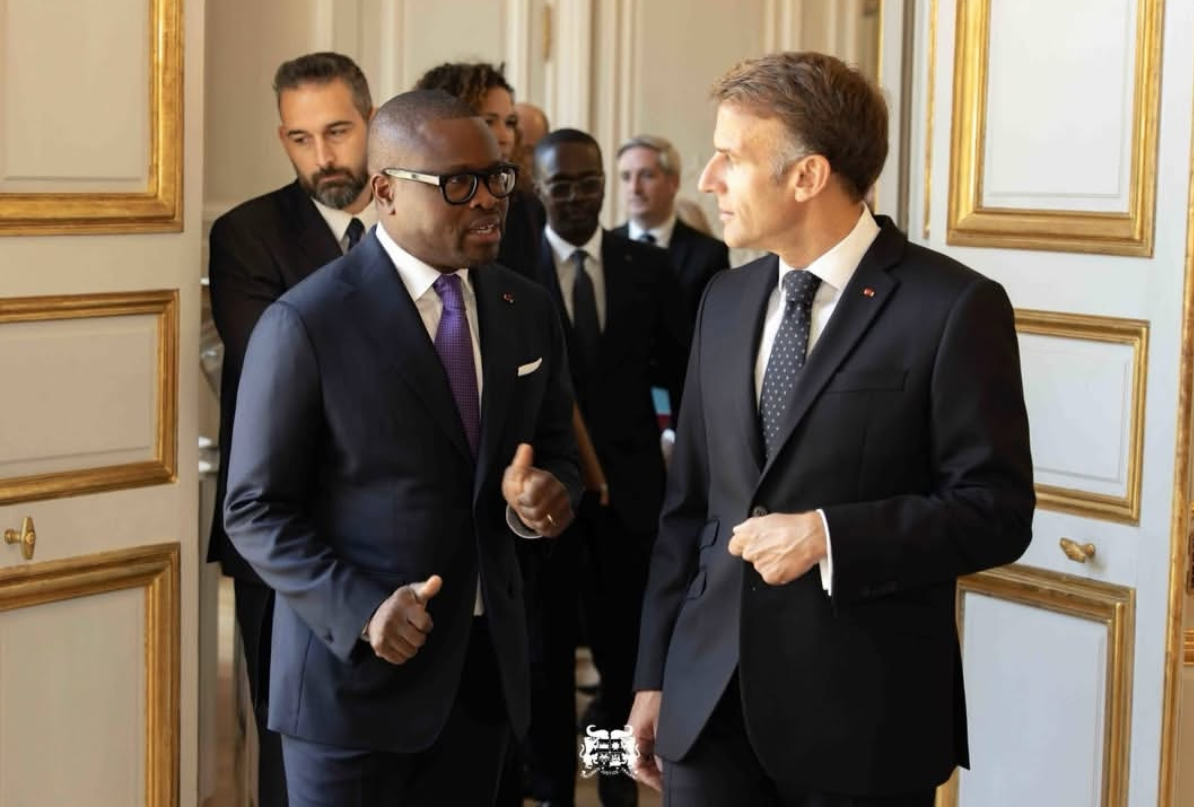
Why the Élysée ceremony reveals deeper economic realities in Benin
The October 2026 Élysée summit wasn’t just a diplomatic showcase — it exposed the underlying economic forces shaping Benin’s future. Behind the 65.5 billion CFA francs in French-backed financing lies a calculated strategy to address systemic gaps in power supply, food security, and healthcare. These investments aren’t merely financial commitments; they reflect a deeper collaboration between Paris and Cotonou to realign Benin’s infrastructure with 21st-century demands.
The energy equation: powering progress through flawed grids and rising demand
Benin’s electricity sector has long been constrained by aging infrastructure and unreliable supply, throttling both household prosperity and industrial growth. The 65.5 billion CFA franc injection signals a direct response to this bottleneck. Rather than incremental improvements, these funds target high-impact interventions: grid modernization, renewable energy integration, and off-grid solutions for rural communities.
The timing is critical. With Benin’s urban population expanding and digital economies emerging, energy access has become a non-negotiable pillar for global competitiveness. French financial backing isn’t just about funding — it’s about ensuring these systems can sustain long-term growth without recurring crises.
Key interventions include:
- Expansion of solar-powered mini-grids in northern regions
- Upgrade of the Cotonou–Porto-Novo transmission corridor
- Smart metering rollout to curb energy theft and improve revenue collection
Agricultural transformation: from subsistence farming to export-driven value chains
Benin’s agriculture sector, while employing over 70% of the workforce, suffers from low productivity and fragmented land ownership. The French-backed funding targets this paradox by funding climate-smart techniques, value-added processing, and market linkages.
The strategy recognizes a harsh truth: Benin’s fertile soil won’t guarantee food security or economic resilience unless production shifts from low-value staples to high-value exports like cashew, shea, and soybeans.
French expertise will play a key role in:
- Introducing drought-resistant crop varieties
- Financing rural cooperatives to bypass exploitative middlemen
- Strengthening cold chain logistics to reduce post-harvest losses
Healthcare investment: a lifeline for a growing population
The demographic dilemma
With a population growth rate exceeding 3%, Benin faces a health system under strain. Maternal mortality, childhood malnutrition, and preventable diseases remain persistent challenges. The new funding addresses this through targeted hospital upgrades, community health programs, and procurement of essential medicines.
Systemic gaps targeted by French funding
French involvement focuses on areas where public funding alone falls short:
- Expansion of regional referral hospitals in Parakou and Abomey-Calavi
- Digital health records to improve continuity of care
- Training programs for midwives and community health workers
The unseen engine: how French partnerships accelerate Benin’s timeline
While 65.5 billion CFA francs is substantial, the real value lies in the institutional collaboration it enables. French technical agencies and development banks bring decades of experience in project structuring, procurement, and regulatory reform — tools Benin currently lacks in-house capacity to deploy at scale.
This partnership model reflects a shift from aid dependency to knowledge transfer. By pairing funds with expertise, the agreements ensure that projects aren’t just completed, but sustained.
Beyond the headlines: what success will look like
The true test begins now. Success won’t be measured in signed agreements, but in three critical outcomes:
- Energy access: Will blackouts decrease by 40% within 24 months? Will private sector energy demand be met?
- Agricultural yield: Can cashew exports increase by 25% and smallholder incomes rise by 15%?
- Healthcare delivery: Will maternal mortality decline by 10% and childhood immunizations reach 90% coverage?
These metrics will determine whether the Élysée ceremony marked a turning point — or merely another chapter in Benin’s ongoing development saga.
Risks and reality checks
Even with strong backing, challenges loom:
- Implementation delays: Past projects in Benin have suffered from bureaucratic bottlenecks and land disputes.
- Currency exposure: Reliance on euro-denominated loans creates vulnerability to exchange rate volatility.
- Coordination gaps: Multiple French agencies and Beninese ministries must synchronize efforts to avoid duplication or conflict.
The partnership’s endurance will hinge on transparency, accountability, and the political will to prioritize tangible results over political symbolism.
If executed, these investments could redefine Benin’s economic trajectory. If mismanaged, they risk becoming another footnote in a cycle of missed opportunities.